
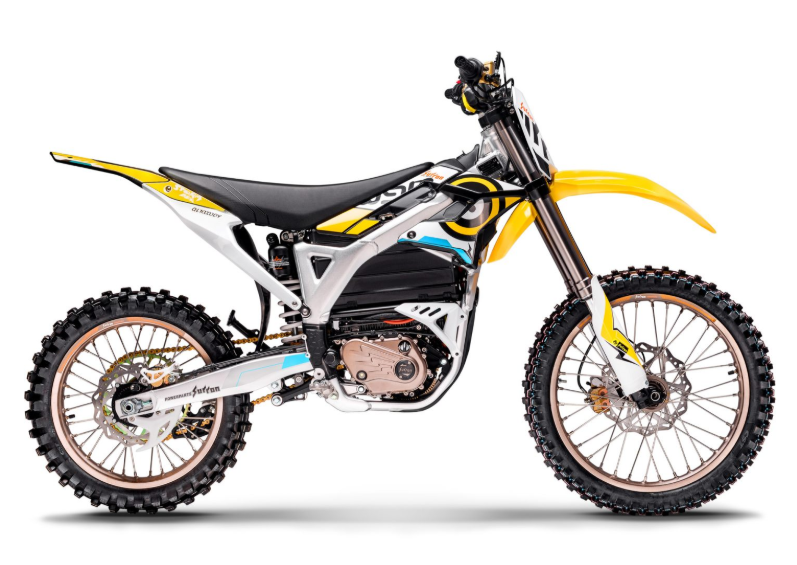
Thrill meets paperwork chaos—make your e dirt bike street legal without killing the buzz. Rule the road, not the citation list.
That wild throttle rush is addictive—but the minute you hit pavement, the question smacks you in the face: is your e dirt bike street legal, or are you one siren away from a citation? A lot of riders buy the torque and forget the paperwork. Lights, mirrors, VINs, insurance—it’s less “open trail freedom” and more DMV chess match.
“Post‑2024 state audits are cracking down on non-compliant electric builds,” notes a 2025 Micromobility Industry Report.
You don’t need to ditch the thrill. You just need the right upgrades, the right boxes checked, and a plan that keeps your ride fast and legit.
Key Points for e Dirt Bike Street Legal Success
➔ Compliance Classes: Know Class 1–3 distinctions for motor wattage, top speed, and trail vs. road access.
➔ Required Upgrades: Install integrated lights, mirrors, horn, compliant brake system, and removable battery under 750W.
➔ Registration Essentials: Gather VIN, proof of safety features, insurance coverage, and pass the DMV inspection.

Why Make Your Bike Street Legal?
Getting your e dirt bike street legal isn’t just about avoiding tickets. It’s about freedom. When your e dirt bike hits street legal status, you can ride to work, cruise downtown, or link trails without stress. An electric dirt bike street legal setup blends off-road fun with city access, and that’s a game changer for daily riders.
Understanding Class 1, 2, and 3 E-Dirt Bikes
The path to e dirt bike street legal approval starts with knowing your e-dirt bike classification and the broader electric bicycle classes system.
-
Class 1 – Pedal-Assist Only
-
Uses pedal-assist e-bikes systems.
-
No throttle.
-
Cuts off at specific maximum speed limits (usually 20 mph).
-
Often easiest for street access.
-
-
Class 2 – Throttle Included
-
Built with throttle-controlled e-bikes design.
-
Can move without pedaling.
-
Same common 20 mph cap, depending on local rules.
-
Popular for riders converting dirt bikes to street legal use.
-
-
Class 3 – Higher Speed
-
Pedal assist up to 28 mph.
-
Stricter e-bike motor power and helmet rules.
-
Limited trail access in some states.
-
Here’s a quick data snapshot riders use when checking electric dirt bike street legal compliance:
| Class | Max Assisted Speed (mph) | Typical Motor Power (W) | Throttle Allowed | Common Access |
|---|---|---|---|---|
| 1 | 20 | 250–750 | No | Bike lanes |
| 2 | 20 | 250–750 | Yes | Bike lanes |
| 3 | 28 | 500–750 | Sometimes | Roads only |
| Off-Road Mod | 30+ | 750–3000 | Yes | Restricted |
Brands like hezzo design models that align with local class standards, making the e dirt bike street legal process smoother.
“E-bike unit sales in North America are expected to maintain steady growth through 2026, driven by urban commuting demand,” noted Deloitte’s 2025 Global Automotive Consumer Study, highlighting regulatory alignment as a key factor.
Essential Safety Features and Local Regulations
Turning an electric dirt bike street legal means meeting clear street legal requirements. Some are obvious. Others catch riders off guard.
You’ll typically need:
-
Working headlights and taillights
-
Functional brake lights
-
Visible turn signals
-
Audible horn
-
Rear and side mirrors
Now let’s break it down in a practical flow:
1) Equipment check
-
Lighting visible from required distance.
-
Tires approved for pavement use.
2) Compliance review
-
Confirm wattage fits local local traffic laws.
-
Verify VIN or serial number registration if required.
3) Rider responsibility
-
Helmet rules vary by class.
-
Some areas require minimum rider age.
A quick tip: if your e dirt bike street legal build still runs knobby tires and no mirrors, cops will notice fast. hezzo models often ship pre-configured with compliant lighting kits, which saves time and hassle.
Insurance Considerations for Electric Off-Road Riders
Getting e dirt bike street legal status can change your insurance category. That matters.
A structured look helps:
-
Coverage Types
1.1 Liability coverage
- Pays for third-party injury or damage.
1.2 Collision insurance
- Covers crash damage.
1.3 Theft protection
- Critical in cities.
-
Policy Classification
2.1 E-bike insurance
- Often applies to lower wattage builds.
2.2 Off-road vehicle insurance
- Required if motor output exceeds standard limits.
2.3 Rider insurance
- Covers medical costs.
-
Legal Requirements
-
Some states require proof of legal requirements for insurance before registration.
-
Higher e-bike motor power may push your bike into moped territory.
-
If your goal is full e dirt bike street legal access, talk to insurers early. An electric dirt bike street legal conversion without updated coverage can leave you exposed. Smart riders treat insurance as part of the build, not an afterthought.
Wow! E Dirt Bike Street Legal In 5 Steps
Turning an e dirt bike street legal isn’t just about bolting on parts and hoping for the best. You’re mixing rules, tech, and smart upgrades so your electric dirt bike can roll through town without drama. From electric motor limits to paperwork at the DMV, it’s all about dialing things in right.
Step 1: Choose the Right Hub or Mid-Drive Motor
To make an e dirt bike street legal, the heart of the build starts with the motor system.
-
Motor Type Selection
-
Hub motor
-
Mounted in the wheel
-
Simple wiring
-
Lower maintenance on the bike frame
-
-
Mid-drive motor
-
Positioned near crank
-
Higher torque output
-
Better weight balance and motor efficiency
-
-
-
Power Compliance
-
Keep motor power within 750W where required.
-
Match assist class to local speed rules.
-
Sync with electric motor controller settings.
-
-
Brand Insight
- hezzo models are engineered with tuned torque curves that align with common e dirt bike street legal classifications, making compliance less of a headache.
Step 2: Upgrade to Integrated Headlights and Brake Lights
Visibility isn’t optional. For an e dirt bike street legal build, lighting must function like a motorcycle’s setup.
-
Lighting System Components
-
Headlights with high/low beam
-
Rear taillight
-
Reactive brake lights
-
Optional turn signals
-
-
Electrical Integration
-
Central wiring harness
-
Stable battery power supply
-
Durable LED lights rated for vibration
-
“Urban micromobility safety standards are tightening across U.S. states in 2025, with lighting compliance among the top enforcement priorities,” noted the National Association of City Transportation Officials in a 2025 mobility update.
hezzo integrates factory-ready lighting kits, saving riders from messy rewiring when upgrading an electric dirt bike for road use.
Step 3: Install a Removable Lithium-Ion Battery Under 750W
Power setup matters big time for an electric dirt bike to be street legal.
-
Battery Core Specs
-
Lithium-ion battery chemistry
-
Controlled battery voltage
-
Legal wattage limit alignment
-
-
Functional Features
-
Lockable removable battery
-
Smart battery management system
-
Sealed charging port
-
-
Compliance Check
-
Confirm controller caps output below 750W.
-
Match battery capacity with realistic commuting range.
-
Verify label data reflects legal classification.
-
This keeps your e dirt bike street legal while still packing enough punch for daily rides.
Step 4: Fit Helmet-Approved Mirrors and Horns
Street riding means awareness.
-
Visibility Setup
-
Left and right rearview mirror
-
Vibration-resistant mounting brackets
-
-
Audible Safety
-
Electric horn
-
Clear audible signal rating
-
-
Rider Gear
-
Certified helmet
-
Basic safety gear
-
For a street legal dirt bike electric build, mirrors and horn aren’t cosmetic. Inspectors look for working hardware, not just installed parts.
Step 5: Verify Torque Sensor Limits and Final Registration
The final stretch brings tech and paperwork together.
-
Sensor Calibration
-
Calibrate torque sensor response
-
Adjust pedal assist levels
-
Confirm top speed limit via display
-
-
Legal Processing
-
Begin registration process
-
Visit DMV
-
Complete title transfer if required
-
Provide insurance proof
-
-
Confirm compliance with local regulations
-
Once that’s done, your e dirt bike street legal setup is ready to roll. Brands like hezzo simplify this journey by designing models that already align with common electric dirt bike street legal standards, so you spend more time riding and less time stressing paperwork.
4 Requirements For E Dirt Bike Street Legal
Riding an e dirt bike street legal isn’t just about speed and style. It’s about ticking the right boxes so your electric dirt bike can handle real roads without hassle.
Motor Wattage Under Legal Threshold
For any e dirt bike street legal, the motor power must stay within the accepted wattage limit. Most regions cap continuous output at 750W, even if peak power briefly climbs higher.
-
Legal Classification
-
a. ≤750W electric motor often fits e-bike rules
-
b. 751W–3000W may shift to moped status
-
c. Higher engine size ratings require motorcycle licensing
-
-
Power Ratings Breakdown
| Category | Continuous Output | Licensing Impact |
|---|---|---|
| Standard E-Bike | ≤750W | None in many states |
| Light Moped | 751–1500W | Permit required |
| Electric Motorcycle | >1500W | Full license |
-
Compliance Tips
-
Check stamped motor power label
-
Verify factory-set wattage limit
-
Confirm no illegal controller mods
-
Brands like hezzo tune output carefully so your street legal dirt bike stays fun, not flagged.
Battery Voltage and Removable Unit Specs
A legit e dirt bike street legal setup depends on safe battery specifications.
-
Voltage & Capacity
-
a. Approved voltage rating (often 36V–52V)
-
b. Balanced battery capacity for range
-
c. Certified energy storage cells
-
-
Build & Access
-
Removable battery for:
-
inspection checks
-
indoor charging
-
easy swap
-
-
-
Housing & Charging
-
Secure battery housing
-
Smart charging system with auto shutoff
-
A clean removable battery setup makes your e dirt bike street ready and practical for daily rides.

Approved Brake System and Suspension Type
Stopping power makes or breaks a road legal electric dirt bike.
-
Braking System
-
a. Front and rear disc brakes
-
b. Prefer hydraulic brakes for shorter stops
-
c. Tested braking system distance compliance
-
-
Suspension Layout
-
Front suspension forks with stable suspension travel
-
Tuned rear suspension for urban bumps
-
-
Legal Checkpoints
-
Frame integrity
-
Documented legal compliance
-
Factory-certified components
-
hezzo models often pair hydraulic setups with balanced suspension, keeping that e dirt bike street legal feel smooth yet controlled.
Display Unit and Tire Size Standards
A proper digital display is not just flashy tech.
-
Required Readouts
-
a. Built-in speedometer
-
b. Clear odometer
-
c. Assist level indicator
-
-
Tire Regulations
-
Approved tire diameter
-
Matched tire width
-
Road-safe tire tread pattern
-
-
Road Contact Rules
-
DOT-rated or certified road legal tires
-
Correct inflation for grip
-
When your e dirt bike street legal build nails the display and tire details, it rides like it belongs on the road—not just the trail.
How To Register Your Electric Dirt Bike
Getting your e dirt bike street legal isn’t just paperwork—it’s the move that lets you ride without side-eye from traffic cops. If you want your e dirt bike, electric dirt bike, or street legal dirt bike ready for real roads, here’s how to make it official and stress-free.
Gathering Essential Documents and Assembly Requirements
To register your e dirt bike street legal, organize everything into three clear stacks:
-
Ownership and Identity
-
Core proof
-
Proof of Ownership
-
Bill of Sale
-
Title or Certificate of Origin
-
-
Bike identity
- Vehicle Identification Number (VIN) (match frame and paperwork)
-
-
Insurance and Rider Status
-
Active Proof of Insurance
-
If required, a Motorcycle Endorsement Application
-
-
Equipment Verification
-
Lighting system
-
Working Headlight
-
Taillight and Brake Lights
-
Functional Turn Signals
-
-
Confirm motor wattage, battery capacity, and build specs match the user manual.
-
Brands like hezzo often provide clean documentation packages, which makes turning your electric dirt bike street legal way smoother.
Completing Local Regulations Forms Accurately
Now it’s form time. Grab the DMV Application Form, your Affidavit of Compliance, and, in some states, an Emissions Compliance Statement.
Fill in motor wattage, top speed, and classification carefully. Don’t guess. If your e dirt bike street legal setup includes upgraded lights or mirrors, make sure that matches the form.
Quick checklist:
-
Correct Proof of Residency attached
-
VIN written exactly as stamped
-
Specs aligned with your street legal dirt bike build
Messy forms slow everything down. Clean paperwork gets your e dirt bike street legal faster.
Paying Fees and Passing the DMV Inspection
Registration wraps up in two stages:
-
Payment
-
Registration Fees
-
Title Transfer Fees
-
License Plate Fees
-
-
Inspection
-
Review against the DMV Inspection Checklist
-
Safety items
-
Working Horn
-
Installed Mirrors
-
Tire size compliance
-
Formal checks
-
Safety Inspection
-
If required, Emissions Test
-
-
Inspectors confirm your electric dirt bike street legal build truly meets road standards. A well-prepped e dirt bike street legal model from hezzo usually passes without drama—just roll in ready and ride out legit.
Key Differences: E Dirt Bike Vs. Street Bike
If you’re torn between trail fun and city cruising, the debate usually lands on one thing: can your e dirt bike street legal setup handle both worlds? Riders searching for an e dirt bike street legal build often mix up dirt specs with pavement rules. Let’s break down how an electric dirt bike compares to a street bike, especially if you want a legit e dirt bike street legal ride.
E Dirt Bike
An e dirt bike street legal model starts with off-road DNA. Under the plastics, everything is tuned for dirt before pavement.
-
Core off-road build
-
Off-road capabilities focused frame geometry
-
Extended suspension travel for rocks and ruts
-
Aggressive knobby tires for grip in mud
-
High low-end torque from the motor
-
-
Construction priorities
-
Lightweight frame to improve jump control
-
Minimal body panels
-
Reduced limited street features to save weight
-
-
Street conversion essentials for an electric dirt bike street legal setup
-
Add headlights, taillights, turn signals
-
Install mirrors and license plate holder
-
Meet local emissions or electric compliance rules
-
Performance Snapshot:
| Feature | Typical Dirt Spec | Street-Ready Add-On | Result |
|---|---|---|---|
| Tires | Knobby | Dual-sport swap | Better pavement grip |
| Suspension | Long travel | Slight preload adjust | Stable on asphalt |
| Lighting | Basic/None | Full kit | Road visibility |
| Weight | 95–115 kg | +3–5 kg parts | Minor increase |
Brands like hezzo design models that make the jump to e dirt bike street legal status smoother, without killing trail fun.
Street Bike
A street bike is born road-ready. An e dirt bike street legal build tries to match this standard, but factory street machines start ahead.
-
Road-focused design
-
Road-legal tires for asphalt grip
-
Integrated headlights, taillights, turn signals
-
Factory-fitted mirrors and license plate holder
-
-
Compliance structure
-
Certified braking systems
-
Documented emissions standards
-
Insurance-ready VIN registration
-
-
Handling differences
-
Shorter suspension
-
Firmer damping
-
Lower ride height
-
When comparing a street bike to an e dirt bike street legal build, the feel is different. Street bikes track straighter at speed. An electric dirt bike street legal version feels taller and more playful. hezzo keeps that balance tight, offering models that stay fun off-road yet meet street demands.
In short, if your goal is a clean e dirt bike street legal machine, know where it started—and what you’re adding to make it legit.
Struggling With Paperwork? DMV Filing Made Easy
Sorting out paperwork for your e dirt bike street legal ride can feel like decoding fine print at midnight. Chill. If you’re turning your e dirt bike into a street legal machine, this guide keeps it simple, clear, and totally doable.
Overwhelmed by Jargon? Simple Glossary Guide
When registering an e dirt bike street legal, the DMV loves precise terms. Here’s how to keep your cool:
-
Core Identity
-
VIN
-
17-character code stamped on the frame
-
Must match your title and registration
-
-
Model classification
- Electric dirt bike street legal vs. off-road only
-
-
Legal Status
-
Endorsement
- Motorcycle endorsement on your license
-
Compliance
- State regulations for lights, mirrors, horn
-
-
Ownership
-
Title transfer
-
Active registration
-
A quick spec snapshot most DMVs request:
| Item | Minimum Requirement | Document Proof |
|---|---|---|
| Headlight Lumens | 800+ lm | Compliance certificate |
| Brake Light Response | <0.5 sec | Inspection sheet |
| VIN Length | 17 characters | Title & frame stamp |
The 2024 Global EV Outlook from the International Energy Agency noted:
“Electric two- and three-wheelers continue to expand in urban transport, supported by clearer regulatory frameworks.”
That means more states are standardizing e dirt bike street legal filings. Good news for riders.
Missing Parts List? Check Your User Manual
Your user manual or owner's guide is your best friend.
-
Under Specifications:
-
Frame material
-
Brake type
-
Motor wattage
-
-
Under Identification:
-
Model number
-
Serial number
-
Full parts list
-
For a hezzo electric dirt bike street legal build, double-check that mirrors, DOT tires, and signals match the documentation. If something’s swapped, update the paperwork before inspection.
Short version? No manual, no smooth approval.
Need Support? Customer Service Filing Assistance
Still stuck? Tap into customer service.
-
Gather:
-
Official forms
-
Proof of insurance
-
VIN photos
-
-
Call the support team
-
Ask for filing assistance
-
Confirm state-specific application process
-
-
Request written paperwork help
-
Warranty spec sheet
-
Compliance confirmation
-
hezzo riders converting an e dirt bike street legal often get digital copies fast through listed contact information. That speeds up approval for your e dirt bike, electric dirt bike street legal setup, and even hybrid dirt bike street legal conversions.
Bottom line: keep docs tight, ask smart questions, and your e dirt bike street legal ride will be plated and rolling in no time.
FAQs about E Dirt Bike Street Legal
What are the key steps to make an e dirt bike street legal?
Turning an off-road ride into an e dirt bike street legal model takes more than adding a plate. It usually includes:
1) Motor compliance – hub motor or mid-drive motor under 750W to fit class 1 ebike, class 2 ebike, or class 3 ebike rules.
2) Safety features – integrated lights, mirrors, horn, and a tested brake system.
3) Battery approval – certified lithium-ion battery with verified battery voltage and safe battery charge time.
4) Paperwork – purchase receipt, user manual, and confirmation that frame material, tire size, and display unit meet local regulations.
Miss one detail, and registration can stall at the counter.
Which class works best for daily commuting?
Riders choosing an e dirt bike street legal model for city use often compare classes:
-
Class 1 ebike: Pedal assist only, smooth handling characteristics, ideal for bike lanes.
-
Class 2 ebike: Adds throttle assist—helpful at traffic lights and crowded streets.
-
Class 3 ebike: Higher top speed for longer commutes, though helmet requirements are stricter.
For daily comfort, look at motor assist levels, torque sensor response, suspension type, and comfort features similar to an electric commuter bike or electric hybrid bike. City riders value control over raw speed.
How does motor wattage affect legal status and riding feel?
Motor wattage shapes both legality and personality.
• Under 750W → usually street compliant under local regulations.
• Above 750W → may shift into motorcycle category, triggering insurance considerations and licensing.
A mid-drive motor paired with a torque sensor feels natural on pavement, while a high-powered setup suits electric mountain bike trails. Balance battery capacity and battery range with terrain suitability, or your ride becomes either sluggish—or overkill for town streets.
What documents and safety details are required for registration?
An e dirt bike street legal application often asks for proof that the bike is road-ready.
Core documents include purchase receipt, motor specifications (motor wattage, cadence sensor or torque sensor details), and battery voltage certification for the removable battery. Inspectors may check integrated lights, brake system performance, tire size, and gear system setup.
Support matters too. Warranty coverage, service availability, replacement parts, and clear assembly requirements from customer support reduce future stress. A well-documented bike feels less like a risk—and more like freedom on two wheels.
Share:
How to Find E Dirt Bikes Cheap Without Sacrificing Performance
Is an E Dirt Bike from Amazon Worth the Money? An Honest Review