
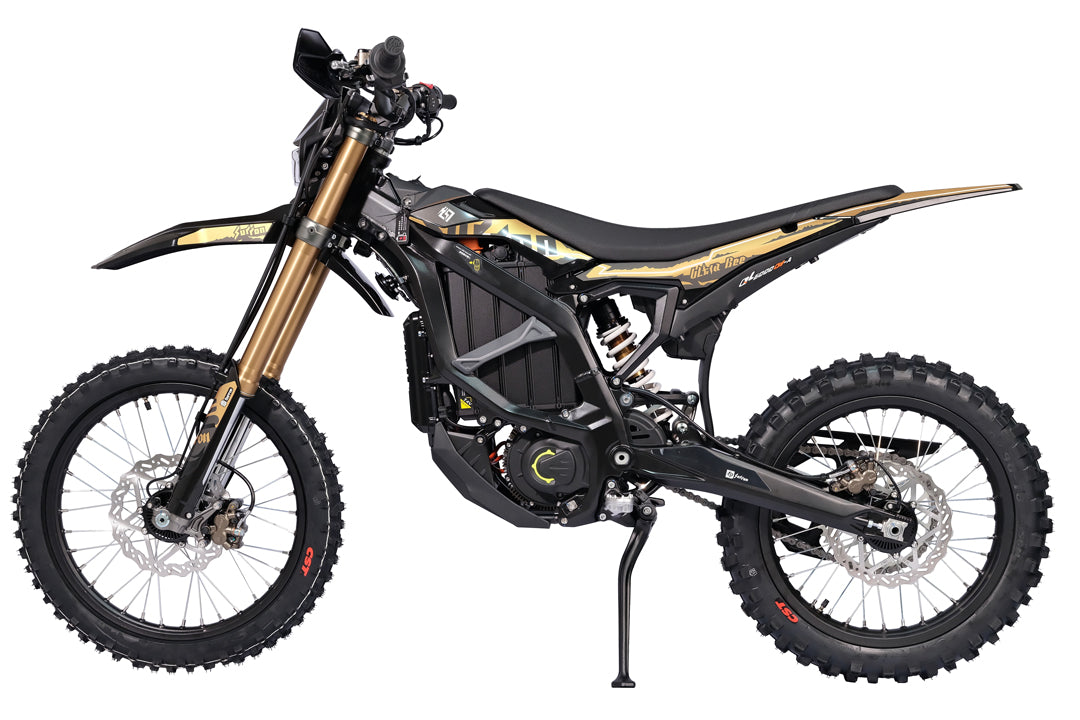
Trading fumes for volts? Dirt electric bikes now hit harder, ride cleaner, and turn trails into pure adrenaline with zero greasy drama.
Dirt electric bikes used to sound like the quiet kid at a motocross party—interesting, but not the main act. Now they’re muscling onto the trail with instant torque that hits like a double shot of espresso. If you’re stuck choosing between gas fumes and plug‑in power, you’re really asking: which one gives me more ride, less headache?
Gas bikes rumble like classic rock. Electric? More like a bass drop—quick, punchy, controlled.
A 2025 Outdoor Industry Association report notes off-road e-bike interest climbing fast as riders seek “lower maintenance and lower operating costs.” Translation: fewer greasy weekends, more dirt time. So before you open your wallet, it’s worth asking—what kind of thrill are you actually paying for?
Rhythmic Reading Notes: dirt electric bikes
-
Choose the right frame—hardtail for XC, full‐suspension for singletrack, fat-tire for rough terrain.
-
Prioritize a mid-drive motor with torque sensor for instant, controllable power on climbs.
-
Match battery capacity and voltage to your ride length; removable packs speed up swaps.
-
Don’t skimp on hydraulic disc brakes and ergonomic grips for safety and comfort.

Types of Trail Rides Explained
Dirt electric bikes are not all built the same, and that’s a good thing. From smooth forest paths to wild mountain descents, each ride style calls for a different setup. If you’re into dirt, electric, bikes that can handle real off-road fun, this breakdown keeps it simple and straight-up useful.
Cross-Country with Hardtail E-Bike
When it comes to dirt electric bikes built for distance, hardtails shine through pure efficiency.
-
Core Build for endurance
-
Aluminum frame keeps weight low
-
Front suspension smooths uneven terrain
-
Mid-drive motor improves climbing control
-
-
Ride Focus
-
Long distance comfort
-
Clean power transfer for steady pacing
-
Solid versatility on rolling trails
-
For riders stacking miles on electric dirt bikes, brands like hezzo tune torque sensors for natural pedal feel. You stay in rhythm. No jerky boost. Just smooth support across changing ground.
Downhill E-Bike on Steep Mountain Trails
Gravity rides hit different. Dirt electric bikes made for descent are all about suspension, control, and flat-out speed.
-
Long-travel forks absorb technical rock gardens.
-
Rear shock increases stability at high velocity.
-
Hydraulic brakes lock things down when gravity pushes hard.
| Feature | Typical Spec | Trail Impact |
|---|---|---|
| Suspension Travel | 180–200 mm | Better control on drops |
| Motor Output | 750–1000 W | Stronger uphill return |
| Brake Rotor Size | 200–220 mm | Heat control on long descent |
| Head Tube Angle | 63–65° | Added stability |
High-powered dirt electric bikes from hezzo keep frames stiff so aggressive lines stay predictable, even on loose, technical rock faces.
Singletrack Performance of Full Suspension E-Bike
Tight trails demand maneuverability and quick handling.
-
Suspension Balance
-
Rear shock boosts traction
-
Even weight spread improves flow
-
Frame geometry sharpens agility
-
-
Ride Feel
-
Reduced fatigue equals better comfort
-
Motor response keeps momentum through twisty trail sections
-
Electric dirt bikes built this way stick to corners instead of sliding out. hezzo models fine-tune rear linkage so power meets grip at the same time. That’s how singletrack feels smooth, not sketchy.
Fat Tire E-Bike for Rough Terrain
Soft ground changes everything. Dirt electric bikes with oversized rubber bring serious traction.
-
Tire Design
-
Wide tread improves stability
-
Low pressure adapts to soft surfaces
-
-
Surface Control
-
Floats over sand
-
Grips packed snow
-
Cuts through thick mud
-
For riders chasing all-season fun, all-terrain dirt electric bikes handle what standard tires can’t. More rubber on the ground means less spinning out and more rolling forward.
Gas Models vs. e-Bike Torque Comparison
Dirt electric bikes are changing how riders think about torque, trail grip, and raw pull. Gas machines still have their crowd, no doubt. Yet when dirt electric bikes line up against fuel-powered rides, the torque story gets interesting fast. Let’s break it down in plain talk.
Gas Models
When comparing gas bikes to dirt electric bikes, torque delivery starts with engine displacement and fuel burn dynamics.
-
Core Power Source
-
Engine displacement
-
Larger cc ratings often mean stronger top-end power output.
-
Low-end grunt depends heavily on tuning and throttle response.
-
-
Fuel System
-
Impacts fuel efficiency.
-
Affects noise level and vibration on tight trails.
-
-
-
Trail Performance Factors
-
Technical Climbs
-
Requires clutch control.
-
Delayed power output at very low RPM.
-
-
Maintenance Reality
-
Frequent oil checks.
-
Higher maintenance requirements.
-
Longer refueling time compared to plug-in charging.
-
-
In tight woods, gas bikes can feel jumpy. The torque builds with revs, not instantly. That gap is where dirt electric bikes often pull ahead.
e-Bikes
Dirt electric bikes flip the torque script through electric drive systems and smart control.
-
Motor & Torque System
-
Motor power
-
Direct transfer to rear wheel.
-
Strong torque delivery from zero RPM.
-
-
Sensors
-
Fine-tuned instantaneous torque.
-
Smooth engagement in rock gardens.
-
-
-
Energy & Range
-
Battery capacity
-
Determines ride distance.
-
Impacts total weight.
-
-
Charging time
-
Home outlet convenience.
-
Faster turnaround than refueling time in many cases.
-
-
-
Control & Ride Feel
-
Adjustable ride modes
-
Eco for range.
-
Sport for sharp climbs.
-
-
Balanced chassis design
- Lower center of gravity.
-
| Model Type | Torque Delivery (Nm) | 0–20 mph Response (sec) | Avg Weight (kg) | Energy Source |
|---|---|---|---|---|
| 250cc Gas Bike | 22 | 3.8 | 108 | Gasoline |
| 450cc Gas Bike | 35 | 3.2 | 113 | Gasoline |
| Mid-Drive e-Dirt | 60 | 2.1 | 95 | 72V Battery |
| High-Power e-Dirt | 75 | 1.9 | 98 | 96V Battery |
| Trail Electric Bike | 50 | 2.4 | 90 | 60V Battery |
Electric dirt bikes consistently show faster low-speed response. That’s why brands like hezzo focus on refined motor power tuning and balanced battery capacity for trail control. For riders who want clean, quiet torque without heavy maintenance requirements, dirt electric bikes are quickly becoming the go-to choice.
Battery Life: e-Bike Endurance Analysis
Out on rough trails, dirt electric bikes live or die by battery stamina. If the juice runs out mid-climb, the fun fades fast. Let’s break down how dirt electric bikes, electric dirt bikes, and e dirt bikes handle power on real mountain ground.
Battery Capacity and Voltage in Trail E-Bikes
When riders compare dirt electric bikes, focus usually lands on battery capacity and voltage. Both shape power output, torque feel, and ride time.
-
Core Energy Foundations
1.1 Battery capacity
-
Measured in watt-hours (Wh)
-
Defines total energy storage available
-
Higher Wh = longer ride at steady assist
1.2 Voltage
-
Common setups: 36V, 48V, 52V
-
Higher voltage supports stronger power output at lower current
1.3 Cell chemistry
-
Lithium-ion dominates
-
Impacts lifespan and heat control
-
-
Performance Impact on Electric Dirt Bikes
2.1 Climbing torque
2.2 Sustained motor wattage
2.3 Heat stability on steep trails
| Voltage (V) | Capacity (Wh) | Est. Peak Power (W) | Typical Trail Use (hrs) |
|---|---|---|---|
| 36 | 500 | 750 | 2–3 |
| 48 | 624 | 1000 | 3–4 |
| 52 | 720 | 1200 | 3–5 |
| 52 | 840 | 1500 | 4–6 |
Brands like hezzo tune frame geometry around integrated packs so dirt e bikes keep balance while packing serious energy storage.
Real-World Battery Range on Mountain Routes
Trail talk is real talk. Battery range depends on how and where you ride your dirt electric bikes.
-
Steep elevation gain drains faster than flat fire roads.
-
Heavy rider weight increases draw from the motor.
-
High assistance level burns through endurance quickly.
On rocky trail conditions, throttle-heavy riding feels awesome, but range drops hard. Switch to mid assist and cadence pedaling, and electric dirt bikes stretch miles noticeably.
Quick breakdown for dirt e bikes:
-
Smooth terrain type → steady discharge.
-
Loose gravel → more slip, more power demand.
-
Long climbs → sustained high watt draw.
Short rides. Big climbs. Fast drain.
Moderate pace. Smart assist. Longer smiles.

Charging Time and Removable Battery Benefits
For weekend warriors running dirt electric bikes, downtime matters.
-
Charging time Basics
1.1 Standard charger: 4–6 hours
1.2 Fast recharge speed units: 2–4 hours
1.3 Smart battery management prevents overcharge
-
Removable battery Advantages
2.1 Indoor charging convenience
2.2 Easy storage in cold weather
2.3 Quick swap with a swappable battery
-
Practical Trail Strategy
-
Carry spare pack in truck
-
Use public charging infrastructure near trailheads
-
Rotate packs to extend lifespan
-
With a removable setup, riders double effective range without waiting around. That’s why hezzo keeps modular systems in focus—grab, charge, ride again. For serious dirt electric bikes fans, that flexibility turns a short spin into a full-day dirt session.
Scenario: Weekend Trail Adventure Prep
A weekend ride on dirt electric bikes hits different when the prep work is dialed in. Before taking your electric dirt bike into loose gravel, forest climbs, or rocky switchbacks, it pays to check the details. Solid setup keeps your dirt e-bikes smooth, safe, and seriously fun.
Frame Geometry and Suspension Travel Check
Getting frame geometry and suspension travel right is the backbone of confident riding on dirt electric bikes.
-
Frame Geometry Review
-
Head Tube Angle
-
63°–65°: better downhill stability for steep trails
-
66°–68°: quicker steering for tight forest paths
-
-
Reach & Stack
-
Longer reach improves stability at speed
-
Balanced stack height reduces wrist fatigue
-
-
Wheelbase
- Extended wheelbase = improved control on loose dirt
-
-
Suspension Travel Matching
-
Front Fork Travel
-
120–140 mm: light trail dirt e-bikes
-
150–170 mm: aggressive dirt electric bikes
-
-
Rear Shock Travel
-
130 mm: mixed terrain
-
150 mm+: rocky descents
-
-
-
Sag Setup (Measured with Rider Weight)
-
Target 25–30% sag for trail riding
-
Adjust rear shock pressure using manufacturer chart
-
Terrain Suitability Table for Dirt Electric Bikes
| Terrain Type | Recommended Travel (mm) | Head Angle (°) | Tire Width (inch) | Motor Power (W) |
|---|---|---|---|---|
| Forest Trail | 130 / 130 | 66.5 | 2.4 | 500 |
| Rocky Climb | 150 / 140 | 65 | 2.5 | 750 |
| Loose Gravel | 140 / 130 | 66 | 2.35 | 500 |
Many riders choosing hezzo dirt electric bikes prefer mid-travel setups for mixed weekend routes. It keeps the ride playful without beating you up.
According to Deloitte’s 2025 global mobility outlook, electric two-wheelers continue double-digit growth in off-road recreation, with performance customization ranking among top buyer priorities.
That trend shows why more riders tune their dirt electric bikes instead of riding stock.
Torque Sensor and Cadence Sensor Calibration
Smooth power delivery makes electric dirt bike rides feel natural, not jerky.
Start with the torque sensor. This sensor reads pedal pressure.
-
Recalibrate through the display menu.
-
Zero the sensor while the crank is unloaded.
-
Test under light pedal force before hitting full assist.
Next comes the cadence sensor.
-
Spin the crank slowly and confirm pickup timing.
-
Adjust assist ramp-up in controller settings.
-
Match cadence response with preferred pedal RPM (usually 70–90 RPM for trail riding).
If assist feels jumpy on dirt electric bikes, reduce initial power percentage. If climbs feel sluggish, increase torque sensitivity slightly. Small tweaks make a big difference on dirt electric bikes navigating loose terrain.
Some riders on hezzo models note that balanced torque tuning helps battery efficiency during long dirt bike electric sessions. Less spike, more flow.
Short test loop. Quick check. Fine adjustment. Done.
Packing Tools for Hydraulic Disc Brake Adjustments
Trail days can get messy, and dirt electric bikes deserve backup tools.
-
Brake Adjustment Kit
-
4 mm & 5 mm Allen keys
-
Small torque wrench
-
Rotor truing tool
-
Spare brake pads
-
-
Hydraulic Essentials
-
Mini bleed kit (compact syringe + mineral oil)
-
Clean rag
-
Isopropyl alcohol wipes
-
-
Derailleur & Dropper Post Backup
-
Cable cutter
-
Quick-link pliers
-
Shock pump for on-trail pressure correction
-
On electric dirt bikes, braking power matters more because of added motor weight. After steep descents, check:
-
Rotor alignment
-
Pad thickness
-
Lever feel consistency
Hydraulic disc brakes should feel firm, not spongy. If lever pull increases suddenly, air may have entered the line.
Weekend riders often stash these tools in a frame bag mounted on their dirt electric bikes. It keeps weight centered and avoids rattling. A well-prepped setup—like those found on hezzo trail-ready builds—means fewer surprises and more throttle-free fun on your next dirt electric bikes adventure.
Electric Bikes Pain Points Solved
Riding dirt electric bikes should feel thrilling, not frustrating. From steep climbs to muddy trails, riders of electric dirt bikes want power, range, and comfort that actually keep up. If your dirt e bike feels underpowered or drains too fast, this breakdown shows how smart upgrades—like those found in hezzo models—solve real-world headaches fast.
Struggling with Torque? Mid-Drive Motor Power Boost
When torque feels weak on dirt electric bikes, the issue usually starts at the motor core.
-
Motor System
-
Mid-drive motor
-
Positioned near crank for direct power delivery
-
Works with bike drivetrain to optimize gear ratio
-
-
Torque sensor
-
Measures pedal force
-
Adjusts output instantly for smoother acceleration
-
-
-
Performance Gains
-
Improved climbing ability on steep dirt trails
-
Higher motor efficiency under load
-
Controlled throttle response for technical riding
-
For electric dirt bikes tackling rocky hills, this setup keeps momentum steady. Instead of burning energy, the motor works with your pedaling rhythm. That’s how hezzo tunes its dirt e bikes—balanced, punchy, and ready to climb without drama.
Limited Range Worries? Integrated Battery Solutions
Range anxiety kills the vibe on long dirt rides. Smart battery design fixes that.
-
Battery Architecture
-
High battery capacity
-
Advanced battery management system
-
Optimized energy density
-
-
Energy Control
-
Adaptive pedal assist
-
Lower power consumption
-
Reduced charging time
-
| Battery Capacity (Wh) | Avg Range (Miles) | Charging Time (hrs) |
|---|---|---|
| 500 | 35–45 | 5–6 |
| 720 | 50–65 | 6–7 |
| 960 | 65–85 | 7–8 |
| 1200 | 80–100 | 8–9 |
For riders using dirt electric bikes on mountain routes, pairing a high-capacity rechargeable battery with efficient assist levels keeps rides longer and smoother. Less stress. More trail time.
Rough Terrain Fatigue? Ergonomic Grips and Saddle Comfort
Long trail days can wreck your hands and back. That’s where comfort parts step up.
-
ergonomic grips reduce wrist strain
-
Shock-absorbing seat post smooths chatter
-
Upgraded suspension system limits harsh impact
Short ride? You barely notice.
Two-hour trail run? Huge difference.
Good handlebar design aligns your shoulders. Solid vibration damping cuts trail buzz. Improved saddle comfort spreads pressure evenly, reducing rider fatigue on rough ground. For electric dirt bikes that see rocky paths every weekend, comfort equals endurance.
Mud Clearance Issues? Wide Tire Tread to the Rescue
Mud slows down most dirt e bikes. Wide tires change that fast.
-
tire width
-
Increases ground clearance
-
Expands contact patch
-
-
tire tread
-
Deep grip pattern
-
Self-cleaning channels for better mud clearance
-
On slick terrain, better traction keeps off-road performance consistent. No fishtailing. No clogging. Just steady grip from start to finish.
That’s why serious dirt electric bikes use aggressive tread setups. Models from hezzo combine wide tires with tuned geometry, keeping stability tight even when trails turn messy.
Top 4 Safety Gear Picks
Riding dirt electric bikes is pure adrenaline. Fast climbs, loose gravel, tight berms—it’s a blast. But when you push hard on dirt e bikes or electric dirt bikes, safety gear is what keeps the ride fun instead of painful. Here’s what smart riders throw on before hitting the trail.

Full-Face Helmet with Integrated Visor
When riding dirt electric bikes, a helmet with true full-face coverage matters.
-
Core Protection System
1.1 Outer Shell
-
Hard shell built for impact absorption
-
Reinforced chin bar for facial protection
1.2 Interior Design
-
Multi-layer foam for shock control
-
Optimized ventilation channels
-
-
Integrated visor Performance
2.1 Shields eyes from dust and debris
2.2 Reduces glare on open dirt tracks
| Feature | Standard Helmet | Full-Face Helmet | Downhill Spec |
|---|---|---|---|
| Coverage Area (%) | 65 | 90 | 95 |
| Avg. Weight (g) | 320 | 850 | 980 |
| Vent Ports | 8 | 14 | 18 |
| Chin Bar | No | Yes | Reinforced |
| Impact Rating (J) | 60 | 110 | 140 |
For aggressive dirt electric bikes, hezzo riders often prefer downhill-rated builds. It just feels safer.
Protective Gloves with Reinforced Palm
Long throttle pulls on dirt electric bikes can wreck your hands. Good gloves fix that.
-
Palm reinforcement reduces fatigue.
-
Extra padding softens vibration.
-
Strong abrasion resistance protects during slides.
Short rides? You’ll want full dexterity.
Rocky downhill? Extra finger protection helps.
Electric off-road bikes deliver instant torque, so grip matters. Quality gloves keep control tight without sacrificing comfort.
Knee and Elbow Pads for High-Impact Trails
Crashes happen. Even skilled dirt e bike riders tip over.
-
Knee pads
1.1 Hard outer shell for impact protection
1.2 Flexible articulation for pedaling comfort
1.3 Adjustable straps for a locked fit
-
Elbow pads
2.1 Lightweight but high durability
2.2 Breathable lining for airflow
On technical singletrack, electric dirt bikes pick up speed quickly. Joint coverage keeps you riding tomorrow.
High-Visibility Jacket with Reflective Strips
Early morning ride? Late sunset lap? A solid jacket changes everything.
-
Bright high-visibility color
-
Strategic reflective strips
-
Light weather protection layer
Breathable fabric keeps sweat down. A lightweight build avoids bulk. Around shared paths or road crossings, visibility isn’t optional.
For riders pushing dirt electric bikes daily, brands like hezzo design gear setups that match the power and pace of modern electric dirt bikes. Stay seen. Stay protected. Ride hard.
FAQs about Dirt Electric Bikes
What makes dirt electric bikes different from regular trail e-bikes?
Dirt electric bikes are built for harsher ground and higher impact. The difference shows up in three core areas:
-
Frame & build
-
Aluminum frame or carbon fiber frame with reinforced frame geometry
-
Longer suspension travel for rough terrain
-
-
Ride system
-
Mid-drive motor with higher motor power output
-
Responsive torque sensor for precise pedal assist levels
-
-
Trail focus
-
Aggressive tire tread for mud clearance
-
Hydraulic disc brakes for confident downhill e-bike control
-
A standard trail e-bike feels capable. A dirt-focused model feels ready for mountain trails that push back.
How does a mid-drive motor improve climbing on steep mountain trails?
Climbing is where tension builds. Power placement decides control.
-
A mid-drive motor sits at the bike’s center, improving weight distribution.
-
Motor wattage flows through the drivetrain, multiplying torque on steep grades.
-
The torque sensor reacts instantly to pedal pressure, keeping traction steady on loose rock.
Compared to a hub motor, the ride feels tighter and more deliberate—especially on technical singletrack performance sections.
What battery features matter most for long off-road rides?
Long trail riding demands confidence in your battery range. Key elements:
-
High battery capacity to avoid range anxiety deep in the hills
-
Integrated battery that keeps frame geometry clean and balanced
-
Removable battery for easier charging time management
-
Stable battery voltage to support consistent motor power output
On a mountain e-bike or fat tire e-bike, the right battery setup decides how far the adventure can stretch before the ride turns back.
Is full suspension necessary for dirt electric bikes?
Short answer: for serious off-road capability, yes.
A full suspension e-bike pairs a suspension fork with a rear shock to absorb repeated hits. On rocky descents or root-filled mountain trails, that extra control protects both rider and frame size integrity.
Hardtail e-bike models handle light trail riding well, but when speed rises and terrain breaks apart, full suspension keeps traction, saddle comfort, and confidence intact.
How do dirt electric bikes compare to gas-powered models in control and feel?
The contrast is sharp and emotional.
| Feature | Dirt Electric Bikes | Gas Models |
|---|---|---|
| Low-speed response | Instant via torque sensor | Slower engine build-up |
| Control on singletrack | Smooth pedal assist levels | Heavier throttle response |
| Noise & vibration | Quiet, minimal vibration | Loud, higher vibration |
| Maintenance focus | Battery capacity, derailleur system | Fuel system, engine parts |
On tight downhill e-bike runs, electric drive feels precise and composed. Gas machines roar with force. Dirt electric bikes answer with control.
Share:
How to Build a DIY Electric Dirt Bike: The Ultimate Step-by-Step Guide
Why the Electric Alta Dirt Bike Changed Motocross Forever