
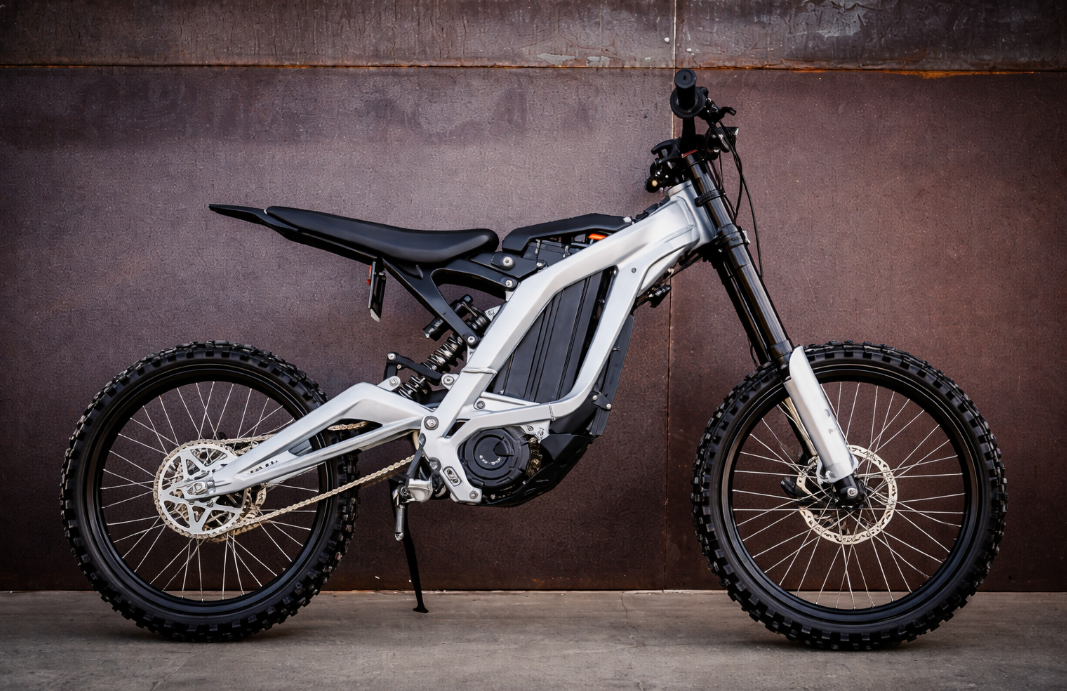
Gas fumes fade—torque whispers. The electric motocross motorcycle steals hearts with silence, punch, and zero wrench drama.
The roar that raised you on dusty tracks now has a quiet rival. The electric motocross motorcycle rolls up with a sly grin—no fumes, instant punch, and a whirr that feels almost rebellious. It’s like trading a sledgehammer for a scalpel. Same job, sharper edge. Riders feel torn because heart says gas, while curiosity taps the throttle.
I’ve watched buddies argue this at tailgates: one swears by the smell of fuel, another won’t stop talking about torque that hits like a light switch. Bills creep up, wrench time eats weekends, and suddenly the question isn’t nostalgia—it’s practicality mixed with thrill. Range anxiety wrestles with maintenance fatigue. Pride wrestles with progress.
This guide steps into that tension. Performance, costs, ride feel—laid bare. By the end, you’ll know which bike earns your sweat, your cash, and your grin.
Quick Answers for the Electric Motocross Motorcycle
-
Instant torque delivery and agile weight distribution boost acceleration and handling on tight tracks.
-
Battery capacity dictates range and charging frequency; consider riding modes and terrain for true performance.
-
Maintenance drops with fewer moving parts—no oil changes, longer service intervals, and lower overall costs.
-
Telemetry via app integration tracks energy use, charging time, and cost per mile for ongoing savings insights.
Electric vs. Gas: Key Differences
Electric motocross motorcycle fans and gas bike loyalists always trade opinions at the track. From battery stats to service routines, the electric motocross motorcycle story keeps evolving fast.
Battery Capacity
For any electric motocross motorcycle, energy storage sits at the core.
-
Capacity Basics
1.1 Capacity rating defines usable kWh.
1.2 Higher rating boosts range per charge.
1.3 Larger packs may extend charge duration but affect mass.
-
Real-World Riding Impact
2.1 Trail mode stretches battery life through smoother power output.
2.2 Aggressive throttle drains range faster on an electric motocross motorcycle.
2.3 Smart controllers shorten recharge time with optimized current flow.
-
Comparison Snapshot
| Model Type | Capacity (kWh) | Avg Range (km) | Recharge Time (hrs) |
|---|---|---|---|
| Electric Motocross Motorcycle | 4.0 | 65 | 2.5 |
| Electric Dirt Bike | 5.5 | 85 | 3.0 |
| Gas Motocross Bike | 6.5L tank | 90 | 0.1 (refuel) |
Brands like hezzobike tune battery mapping so an electric motocross motorcycle feels lively without killing range mid-ride.
Motor Power
Twist the throttle on an electric motocross motorcycle and the torque hits instantly. No waiting around. That instantaneous response changes how riders handle corners and jumps.
-
Horsepower feels smooth, not jerky.
-
Acceleration builds in a straight, clean pull.
-
Peak output arrives without clutch work.
In contrast, gas bikes stack power through gears, building top speed step by step. An electric dirt bike keeps power delivery steady, which helps newer riders stay in control while still giving experienced racers that punchy electric motocross motorcycle thrill.
Weight Distribution
Handling depends heavily on center of gravity.
-
Battery Placement in an Electric Motocross Motorcycle
1.1 Central mounting sharpens handling characteristics.
1.2 Low pack position improves balance mid-air.
1.3 Even mass spread supports better agility.
-
Gas Engine Layout
2.1 Engine block height shifts chassis design.
2.2 Fuel load changes suspension performance over time.
2.3 Heavier front bias can affect rider control on tight tracks.
A well-built electric motocross motorcycle often feels planted yet playful, especially when carving berms.
Service Interval
Maintenance talk gets real fast.
-
Electric Motocross Motorcycle Care
1.1 Fewer moving parts reduce component wear.
1.2 No oil means zero fluid changes.
1.3 Simple checks limit operational downtime.
-
Gas Bike Routine
2.1 Regular maintenance schedule includes oil swaps.
2.2 Frequent tune-ups maintain combustion health.
2.3 Air filter cleaning requirements increase after dusty rides.
-
Long-Term Ownership
3.1 Electric systems often extend drivetrain longevity.
3.2 Less shop time keeps riders on the track.
3.3 Many riders switching to an electric motocross motorcycle through hezzobike say the reduced service hassle is a game changer.
In day-to-day riding, an electric motocross motorcycle simply asks for less wrench time and more throttle time.
4 Factors to Consider Before Your Electric Motocross Motorcycle Purchase
Choosing an electric motocross motorcycle isn’t just about speed or looks. It’s about how the electric motor, dirt-ready frame, and motocross tuning work together. From battery muscle to smart tech, every detail shapes your ride. Let’s break down what actually matters before you swipe that card.
Battery Capacity & Range per Charge
When sizing up an electric motocross motorcycle, focus on how battery life and energy storage support real trail sessions.
-
Core Technical Factors
-
Rechargeable battery rating (kWh)
-
Peak power output under load
-
True riding distance on mixed terrain
-
-
Performance Conditions
-
Sand and mud increase charge duration demands
-
Aggressive throttle drains battery technology faster
-
| Battery (kWh) | Avg Riding Distance (km) | Charge Duration (hrs) | Power Output (kW) |
|---|---|---|---|
| 3.0 | 40 | 3.5 | 8 |
| 4.5 | 65 | 4 | 12 |
| 6.0 | 90 | 5 | 18 |
-
Buying Insight
-
Match capacity to your weekly riding style
-
For track days, lean toward higher energy storage
-
Brands like hezzobike tune battery mapping so the electric dirt bike keeps steady torque instead of fading mid-lap.
Weight Distribution & Handling Agility
Handling makes or breaks an electric motocross motorcycle.
-
Structural Setup
-
Frame design controls center of gravity
-
Low-mounted packs improve balance
-
-
Ride Dynamics
-
Responsive suspension system boosts cornering ability
-
Even mass spread sharpens maneuverability
-
-
Rider Feel
-
Stable jump landings
-
Predictable ride dynamics in tight berms
-
A well-balanced electric motocross bike feels planted, not twitchy. hezzobike models focus on centered mass so riders stay confident mid-air and in ruts.
Build Quality & Service Interval
Durability keeps your electric off-road motorcycle out of the shop.
-
Material Strength
-
Reinforced alloy frames
-
Sealed wiring for water crossings
-
-
Ownership Planning
-
Check maintenance schedule
-
Review average repair frequency
-
Confirm parts availability
-
Strong component reliability increases operational lifespan, cutting downtime. Look for proven material strength and realistic service intervals to protect long-term longevity.
Charging Time & App Integration
Tech now plays a big role in every electric motocross motorcycle.
-
Charging & Infrastructure
-
Fast recharge speed reduces track downtime
-
Home-compatible charging infrastructure matters
-
-
Smart Control Layer
-
Built-in connectivity options
-
Ride logs
-
Firmware updates
-
-
Live performance monitoring
-
Remote diagnostics alerts
-
-
Rider Interface
-
Clear user interface
-
Custom power modes
-
hezzobike integrates smart features so riders tweak output, monitor battery stats, and keep their electric motocross motorcycle dialed in without guesswork.

Worried About Fuel Costs? Go Electric Motocross Motorcycle
Fuel prices keep bouncing around, and that hits hard if you ride often. Switching to an electric motocross motorcycle changes the math. Lower charging bills, fewer repairs, and smart tracking tools make every mile feel lighter on your wallet.
Cost per Mile: Electricity vs Gasoline
Riders comparing an electric motocross motorcycle with a gas dirt bike usually focus on three layers of cost:
-
Energy Input
1.1 Electricity cost per kWh
1.2 Charging cost per full battery
1.3 Real-world energy consumption per mile
-
Fuel-Based Riding
2.1 Gasoline cost per gallon
2.2 Average mileage per gallon
2.3 Overall fuel efficiency under trail stress
-
Cost Outcome
3.1 Urban commuting
3.2 Weekend motocross sessions
3.3 Long-term yearly comparison
| Bike Type | Energy/Fuel Price | Avg Mileage | Cost per 100 Miles |
|---|---|---|---|
| Electric Motocross Motorcycle | $0.15/kWh | 40 mi/charge | $1.50–$2.20 |
| Gas Dirt Bike | $3.80/gal | 40 mpg | $9.50 |
| Electric Off-Road Bike (High Output) | $0.18/kWh | 35 mi/charge | $2.80 |
BloombergNEF noted in its 2025 EV outlook that electric two-wheelers continue to show lower operating costs per mile compared with combustion models in urban use.
That gap adds up fast. Ride four times a week and your electric motocross motorcycle keeps more cash in your pocket. Brands like hezzobike build around efficient battery mapping to keep energy consumption predictable, not guesswork.
Fewer Parts, Lower Maintenance Spend
Owning an electric motocross motorcycle simplifies your garage routine. Break it down:
-
Engine vs Motor
1.1 Gas bikes rely on complex engine components
1.2 Electric models use a sealed drive motor
1.3 Fewer moving spare parts to replace
-
Service Intervals
2.1 No oil swaps
2.2 Extended service intervals
2.3 Lower annual maintenance cost
-
Longevity Factors
3.1 Managed battery life cycles
3.2 Rated motor lifespan often exceeding 1,000+ hours
3.3 Reduced brake wear from regenerative systems
Quick snapshot:
-
No spark plugs
-
No fuel filters
-
No clutch rebuild kits
An electric dirt bike just cuts the drama. Less wrench time. More ride time.
Monitor Savings with Telemetry Data
An electric motocross motorcycle doesn’t just save money—it shows you how.
-
Data Capture
1.1 Built-in telemetry data modules
1.2 Real-time energy usage tracking
1.3 Logged riding patterns
-
Performance Insights
2.1 Torque delivery stats
2.2 Speed curves
2.3 Battery discharge trends tied to performance metrics
-
Financial Visibility
3.1 Monthly cost savings summary
3.2 Charging frequency review
3.3 Improved operational efficiency through smarter throttle habits
• Track charging time
• Compare trail vs street efficiency
• Adjust riding style to stretch range
With app integration, riders see how their electric motocross motorcycle stacks up against old fuel logs. hezzobike systems make that data easy to read, so you’re not guessing. Ride hard, check the numbers later, and watch the savings grow.
FAQs about Electric motocross motorcycle
How does battery capacity shape real riding experience?
Battery capacity sets the emotional rhythm of an electric motocross motorcycle.
-
Bigger capacity stretches range per charge, easing anxiety on long trail riding days.
-
It feeds steady power output and sharp acceleration, so fatigue comes from riding, not from worrying.
-
Weight placement influences weight distribution, affecting handling agility, jump balance, and how natural the bike feels beneath the rider.
A well-matched battery turns raw tech into quiet confidence.
Why does motor power feel different from gas bikes?
Electric motor power speaks in immediacy.
1) Torque delivery hits instantly, pulling hard out of corners on a motocross track.
2) No gear hunting—just clean drive toward top speed.
3) Riding modes soften or sharpen response, letting beginners breathe and experts attack.
The sensation feels intimate, like the bike listens to intent.
Is maintenance truly simpler for daily riders?
Yes, and the relief shows after muddy weekends.
-
Fewer parts raise component lifespan and lengthen the service interval.
-
Focus shifts to brake type, suspension travel, tires, and overall build quality.
-
High water resistance and strong impact resistance support real off-road capability.
Less wrench time, more saddle time.
What should a rider check before buying one?
A quick personal checklist keeps regret away:
| Rider Concern | What to Look For |
|---|---|
| Comfort | Seat height, ergonomics, ground clearance |
| Safety | Traction control, ABS braking, kill switch, lighting system |
| Tech Feel | Display features, app integration, firmware updates |
| Longevity | Frame material, part availability, warranty support |
When these align, the bike feels beginner friendly yet ready for expert level growth.
Share:
How to Choose the Perfect Electric Motocross Bicycle for You
How to Choose the Perfect Electric Dirtbike Adult Riders Will Love