
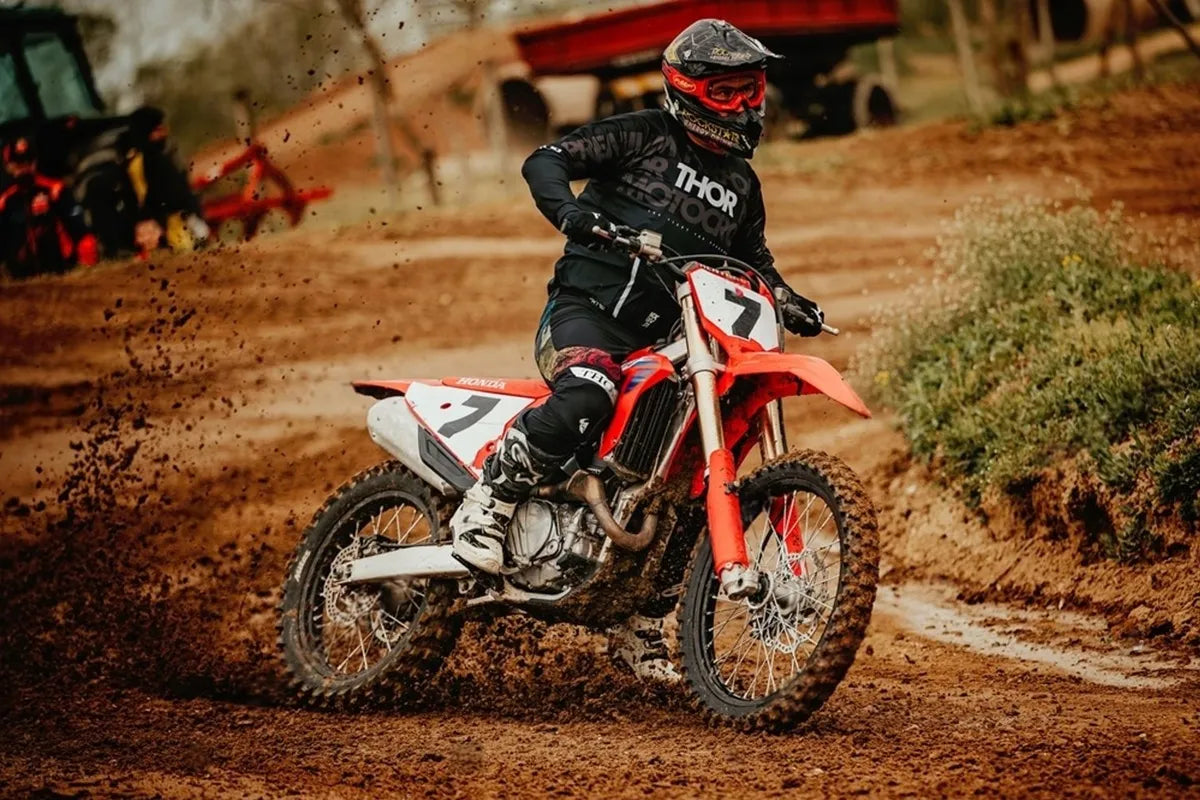
An electric pit bike isn’t just a shiny new toy—it’s the quiet kid in class who suddenly outruns the quarterback. Dealers and fleet buyers feel the squeeze: rising fuel costs, tighter emissions rules, customers asking for cleaner rides. Meanwhile, gas bikes still rumble like old-school rock—loud, loyal, hard to replace. So which one actually pays off when you’re ordering by the crate?
According to the International Energy Agency, electric vehicle sales topped 14 million globally in 2023, signaling a serious shift in buyer appetite.
This isn’t about specs on a brochure. It’s about downtime, margins, and what your customers will line up for next season.

Quick Answers: Electric Pit Bike Essentials
-
Motor Power & Fuel Efficiency: Electric pit bikes offer consistent torque, while gas bikes provide higher sustained speeds with longer refueling times.
-
Maintenance & Lifespan: Electric models require less maintenance, with longer component lifespans compared to regular engine servicing for gas bikes.
-
Noise & Environmental Impact: Electric pit bikes operate quietly with minimal environmental impact, unlike the noisy gas engines with higher emissions.
-
Performance & Range: Electric bikes excel in quick acceleration but have a limited range per charge, while gas bikes can go further with faster refueling.
Electric Pit Bike Vs Gas Basics
Electric pit bike fans and gas riders often argue about power, speed, and real-world feel. This guide breaks down how an electric pit bike stacks up against fuel machines in simple terms. From electric motor output to fuel burn, we’ll keep it straight, practical, and easy to follow.
Motor Power, Battery Capacity, and Fuel Engine Fundamentals
When comparing an electric pit bike to gas models, power starts at the core:
-
Electric Drive System
-
Electric motor output rated in kilowatt
-
Battery capacity measured in ampere-hour
-
Usually powered by a lithium-ion battery
-
-
Gas Power System
-
Fuel engine based on internal combustion engine design
-
Power tied to displacement and fuel tank capacity
-
Typical comparison:
| Type | Power Output | Energy Storage | Refuel/Charge Time |
|---|---|---|---|
| Electric pit bike | 3–8 kW | 20–40 Ah | 2–6 hrs |
| 110cc Gas | ~6–7 kW | 3–4 L tank | 3–5 min |
| 125cc Gas | ~8–9 kW | 4–5 L tank | 3–5 min |
An electric dirt pit bike like hezzo focuses on smooth, clean power. Gas bikes rely on combustion punch.
Top Speed, Torque, and Acceleration in Real Riding Conditions
On an electric pit bike, torque hits instantly. Crack the throttle and the power delivery feels sharp. No gear hunting.
Gas bikes build acceleration as RPM climbs. Strong at higher top speed, especially during long off-road performance runs.
Real riding breakdown:
-
Quick sprints → electric bike wins on throttle response
-
Long straightaways → gas holds higher sustained top speed
-
Steep trails → both handle hill climbing, but torque feel differs
-
Dash readouts → digital speedometer common on electric pit bike models
Hezzo tunes its electric motor for punchy low-end pull, making tight tracks fun and lively.
Ergonomics, Seat Height, and Weight Distribution Explained
Rider feel matters more than spec sheets.
-
Body Position
-
Seat height affects control at low speed
-
Handlebar position shapes upper-body comfort
-
-
Lower Frame Interaction
-
Footpeg placement guides balance
-
Frame strength comes from smart frame design
-
-
Mass Layout
-
Electric pit bike: battery low in frame improves weight distribution
-
Gas bike: engine centered for natural maneuverability
-
An electric mini bike often feels planted because the battery sits under the rider. Gas bikes shift weight as fuel burns, slightly changing balance. Small detail, noticeable on rough tracks.
Safety Regulations, Emission Standards, and Environmental Impact
Compliance shapes buying decisions.
-
Legal Framework
-
Must meet safety regulations
-
Follow local emission standards
-
Respect local ordinances for noise
-
-
Environmental Factors
-
Electric pit bike → zero emissions, low noise pollution
-
Gas bike → higher carbon footprint
-
-
Built-In Protection
- Modern safety features like kill switches and brake sensors
Electric pit bike models from hezzo appeal to riders who want quieter fun with lower environmental impact. Gas machines still dominate traditional tracks, yet urban riders often lean electric for cleaner, hassle-free sessions.

Electric Vs Gas Pit Bike Maintenance Costs
Owning an electric pit bike or a gas mini dirt bike isn’t just about weekend fun. It’s about what happens after the ride. From service visits to part swaps, real costs show up over time. Let’s break down how an electric pit bike stacks up against fuel-powered options in everyday ownership.
Service Intervals, Component Lifespan, and Spare Parts Availability
When comparing upkeep, the difference shows up in the maintenance schedule and part replacement frequency.
-
Electric Pit Bike
1.1 Component durability
-
Fewer moving parts mean reduced wear and tear.
-
No oil system, so no messy changes.
1.2 Battery longevity
-
Lithium packs often last several years under normal riding.
-
Proper charging habits extend battery longevity.
1.3 Spare part sourcing
-
Controllers and motors are model-specific.
-
Brands like hezzo maintain steady parts inventory.
-
-
Gas Pit Bike
2.1 Engine life
-
Requires oil swaps, spark plugs, air filters.
-
Shorter engine life if maintenance slips.
2.2 Replacement cycle
-
Clutch plates and carb parts wear faster.
-
Higher part replacement frequency overall.
-
An electric pit bike typically needs less garage time, which many riders love.
Charging Time vs Fuel Refilling Costs and Efficiency
Cost per ride often decides the winner.
-
Electric Pit Bike
1.1 Recharge duration
- 4–8 hours depending on battery size.
1.2 Energy cost per mile
- Lower power source cost from home outlets.
1.3 Range per charge
- Stable torque, consistent operational efficiency.
-
Gas Pit Bike
2.1 Refueling time
- Just minutes at a pump.
2.2 Fuel consumption rate
- Varies with throttle habits.
2.3 Rising fuel prices
- Higher long-term energy cost per mile.
A fuel pit bike wins on speed of refill. An electric pit bike wins on steady savings.
Warranty Terms, Technical Support, and Long-Term Ownership Value
Long-term value depends on backing and support.
-
Electric Pit Bike
1.1 Manufacturer warranty
- Separate coverage for frame and battery.
1.2 Technical assistance
- Remote diagnostics growing common.
1.3 Resale value
- Strong if battery health remains high.
1.4 Brands
- hezzo offers clear documentation and responsive dealer support.
-
Gas Pit Bike
2.1 Engine-focused repair services
- Local mechanics widely available.
2.2 Ownership outlook
- Solid long-term investment if maintained.
2.3 Experience
- Familiar sound and feel shape the overall ownership experience.
In the end, the electric pit bike often delivers lower upkeep stress, while gas bikes trade simplicity for mechanical tradition.
5 Key Differences Between Electric And Gas Pit Bikes
Electric pit bike culture is blowing up right now. Riders compare electric pit bike models with gas machines daily, chasing better performance, longer distance, and less wrench time. Let’s break down how an electric pit bike stacks up against fuel-powered rides.
Power Output
When it comes to instant torque, an electric pit bike hits hard the second you twist the throttle.
-
Electric pit bike
-
Motor power
-
Direct-drive response
-
Steady acceleration
-
-
Horsepower
-
Consistent delivery
-
Smooth climb to top speed
-
-
-
Gas pit bike
-
Engine size
-
Power tied to RPM
-
Delayed throttle surge
-
-
Performance
-
Tuning affects output
-
Variable response
-
-
A hezzo electric pit bike feels punchy in tight corners. No waiting. Just go.
Range Per Charge
Battery tech decides how far an electric pit bike can roam.
| Model Type | Battery capacity (Wh) | Avg riding time (hrs) | Est. distance (miles) |
|---|---|---|---|
| Entry E-Pit | 1200 | 1.5 | 18 |
| Mid E-Pit | 2000 | 2.5 | 30 |
| Gas 110cc | — | 3.0 | 55 |
Key factors:
-
Energy density
-
Usage duration
-
Charging time
A rechargeable pit bike trades quick refueling for plug-in convenience. Gas rides stretch farther but burn fuel the whole time.
Noise Level
An electric pit bike keeps sound emission low.
No exhaust sound, just a soft motor hum.
Gas machines push higher decibels, especially on hard acceleration.
BloombergNEF’s 2025 EV outlook notes that electric two-wheelers continue gaining urban demand due to reduced noise and lower environmental impact.
That quiet operation makes late-evening track laps way less annoying for neighbors.
Braking System
Stopping power matters.
-
Disc brakes front and rear on both types
-
Hydraulic system gives steady lever feel
-
Electric pit bike models may add regenerative braking
Regenerative setups:
-
♢ Recover energy
-
♢ Reduce component wear
-
♢ Extend brake pad life
Control feels tighter on modern electric mini bikes, especially from brands like hezzo that tune braking response for smoother trail handling.
Maintenance Requirements
Gas bikes mean:
-
Oil changes
-
Spark plugs
-
Carburetor cleaning
-
Adjusting chain tension
Electric pit bike ownership looks different.
-
Check battery health
-
Inspect brake pads
-
Monitor component wear
No fuel lines. No emissions hassle. Fewer shop days.
For riders who just want to charge up and rip, an electric pit bike—especially a hezzo electric pit bike—keeps things simple, clean, and ready for the next ride.
FAQs about Electric Pit Bike
What makes an electric pit bike ideal for bulk purchasing?
Dealers look beyond price; they look at long-term rhythm and reliability.
1) Mechanical simplicity
-
No oil changes, shorter service intervals
-
Extended component lifespan due to fewer moving parts
2) Performance consistency
-
Stable motor power and instant torque
-
Predictable top speed and smooth acceleration
3) Regulatory and market edge
-
Meets emission standards with low environmental impact
-
Easier approval under certification standards and import requirements
When fleets run quietly with controlled power output and clear documentation provided, distributors feel secure placing large-volume orders.
How does battery capacity influence real off-road range per charge?
Battery capacity sets the ceiling, but terrain and riding style decide the story.
Higher battery capacity → longer range per charge → steadier power output on sand, mud, or steep climbs.
Key variables that shift actual range:
-
Wheel size and suspension travel over rough ground
-
Rider weight and throttle control affecting torque demand
-
Charging time management between sessions
A well-matched battery capacity and motor power gives strong climbing ability without draining energy too quickly, keeping riders confident instead of anxious.
Which specifications and performance metrics should dealers compare?
Choosing the right electric pit bike is a balance of numbers and feel.
Core Bike Specifications vs Performance Impact
| Specification | What It Affects |
|---|---|
| Motor power | Acceleration & top speed |
| Battery capacity | Range per charge |
| Suspension travel | Control on uneven terrain |
| Frame material | Weight distribution & strength |
| Wheel size | Stability & handling response |
Beyond the sheet:
-
Torque delivery during tight turns
-
Braking system precision under load
-
Frame material durability against dust ingress and water resistance
A strong spec sheet must translate into real riding confidence.
How do safety, maintenance, and logistics affect distributor confidence?
An electric pit bike is more than performance; it is trust built into every detail.
Safety features that protect riders:
-
Responsive braking system
-
Kill switch within thumb reach
-
Lighting system and speed limiter for controlled environments
-
Traction control for slippery tracks
Maintenance and support that protect investment:
-
Clear warranty terms and spare parts availability
-
Solid packaging standards for shipping methods
-
Simple assembly requirements with full documentation provided
-
Reliable technical support after delivery
When noise level stays low, ergonomics feel natural, and service intervals are predictable, dealers gain peace of mind—and riders gain pure focus on the trail.
Share:
I Bought an Amazon E Dirt Bike: Is It Actually Worth the Money?
How to Choose an Electric Dirt Bike: The Ultimate Buyer—s Guide