
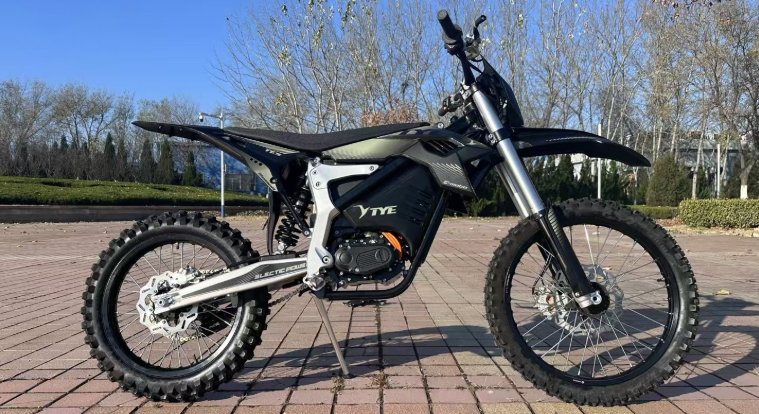
Understanding the Ideal Range for Real Off-Road Adventures
As electric dirt bikes continue to gain popularity among off-road enthusiasts, one question consistently stands out: how much range is enough?
While top speed and motor power often attract attention, riding range is what truly determines how far riders can explore, how long they can stay on the trails, and how enjoyable their overall experience will be. Whether navigating mountain paths, forest trails, desert terrain, or dedicated motocross tracks, range plays a critical role in the usability of an electric dirt bike.
Many manufacturers advertise impressive mileage figures, but real-world riding conditions often tell a different story. Off-road environments place unique demands on a bike’s battery system, making actual range highly dependent on terrain, riding style, weather, and vehicle design.
Understanding what constitutes a good electric dirt bike range can help riders choose the right machine for their needs and maximize their riding experience.
Why Off-Road Riding Consumes More Energy
Unlike city commuting, off-road riding requires constant adjustments in power delivery and vehicle control.
Urban riding typically involves:
- Smooth pavement
- Consistent speeds
- Minimal elevation changes
- Lower rolling resistance
- Predictable riding conditions
Off-road environments are far more demanding.
Riders frequently encounter:
- Steep climbs
- Loose gravel
- Muddy trails
- Sand dunes
- Rocky sections
- Frequent acceleration and braking
Each of these conditions increases energy consumption and places greater demands on the battery.
As a result, an electric dirt bike that achieves 60 miles under ideal test conditions may deliver significantly less range during aggressive off-road riding.
Understanding this difference is essential when evaluating a bike’s true capabilities.
Entry-Level Range: Around 30 Miles
For beginners and recreational riders, an actual riding range of approximately 30 miles can be sufficient.
This level of performance works well for:
- Short trail rides
- Beginner practice sessions
- Weekend recreation
- Campground exploration
- Family riding activities
Most casual riders spend one to two hours on the trails at a time, making this range adequate for light-duty use.
However, riders seeking longer adventures may quickly discover the limitations of a shorter-range battery. Constantly monitoring battery levels can reduce the sense of freedom that off-road riding is meant to provide.
For this reason, 30 miles is generally considered the minimum acceptable range for electric dirt bikes.

The Sweet Spot: 45 to 60 Miles
For most off-road enthusiasts, a real-world range between 45 and 60 miles represents the ideal balance.
This range allows riders to enjoy:
- Half-day trail adventures
- Mountain exploration
- Forest riding routes
- Mixed-terrain excursions
- Extended recreational sessions
At this level, riders gain enough battery capacity to explore confidently without adding excessive weight to the motorcycle.
Many modern high-performance electric dirt bikes are designed to operate within this range category because it delivers the best combination of performance, practicality, and overall riding enjoyment.
For the majority of riders, 45 to 60 miles provides more than enough range for typical weekend adventures.
Long-Range Performance: 60 Miles and Beyond
As battery technology continues to improve, some premium electric dirt bikes are now capable of exceeding 60 miles of real-world riding range.
Long-range capability offers advantages that extend beyond simply traveling farther.
It enables riders to:
- Explore remote locations
- Spend a full day on the trails
- Complete extended backcountry routes
- Participate in group rides without range anxiety
- Ride farther from charging facilities
This added flexibility becomes especially valuable in areas where charging opportunities are limited.
For adventure-focused riders, a range exceeding 60 miles can significantly enhance the overall riding experience and expand the possibilities of off-road exploration.
Battery Size Is Only Part of the Equation
Many buyers assume that larger batteries automatically provide better range.
While battery capacity is important, it is not the only factor that determines how far an electric dirt bike can travel.
Several additional factors influence efficiency:
Motor Efficiency
A highly efficient motor converts more battery energy into usable power, improving overall range.
Vehicle Weight
Heavier motorcycles require more energy to accelerate and climb hills.
Tire Selection
Aggressive off-road tires provide excellent traction but often increase rolling resistance.
Electronic Control Systems
Modern controllers optimize power delivery and energy consumption, helping maximize battery efficiency.
As a result, two bikes with similar battery capacities can deliver noticeably different riding ranges depending on their overall design.
Riding Style Can Dramatically Affect Range
The way a rider operates the motorcycle has a major impact on battery consumption.
Aggressive riding typically includes:
- Frequent full-throttle acceleration
- High-speed riding
- Hard corner exits
- Repeated hill climbs
- Competitive trail riding
These activities place significant demands on the battery and reduce total riding range.
By contrast, smoother riding techniques can extend battery life considerably.
Maintaining consistent speeds, minimizing unnecessary acceleration, and using momentum effectively all contribute to improved efficiency.
In many cases, riding style alone can create a difference of more than 20 percent in actual range.
Terrain and Weather Matter
Environmental conditions play a larger role than many riders realize.
Cold temperatures can reduce battery efficiency by slowing chemical activity inside battery cells.
Hot weather may increase battery temperatures during sustained high-performance riding, affecting efficiency and power management.
Terrain also has a substantial impact on energy consumption.
For example:
- Sand typically requires the most power
- Steep climbs drain batteries quickly
- Rocky trails increase motor workload
- Smooth forest paths generally consume less energy
Because of these variables, advertised range figures should always be viewed as estimates rather than guarantees.

Choosing the Right Range for Your Needs
Different riders require different levels of range.
For casual recreation:
A real-world range of approximately 30 miles is often sufficient.
For regular trail riding and weekend adventures:
A range between 45 and 60 miles is ideal.
For extended exploration and backcountry riding:
More than 60 miles provides greater flexibility and confidence.
For competitive riders:
Battery cooling, power consistency, and performance under load become just as important as total range.
Selecting the right balance between battery capacity, vehicle weight, and intended use is key to maximizing long-term satisfaction.
Range Defines Freedom on the Trail
The evolution of electric dirt bikes has transformed what riders can expect from modern off-road machines.
While power and speed remain important, riding range ultimately determines how much freedom a bike can provide. A capable electric dirt bike should allow riders to focus on the trail ahead rather than constantly worrying about battery levels.
For most riders, a practical off-road range of 45 to 60 miles represents an excellent benchmark. Those seeking longer adventures may benefit from bikes capable of exceeding 60 miles under real-world conditions.
As battery technology continues to advance, electric dirt bikes are becoming more capable, more efficient, and more adventure-ready than ever before. The future of off-road riding is increasingly electric, and range will remain one of the most important factors in defining the overall riding experience.
Share:
High-Performance Off-Road Electric Bike