
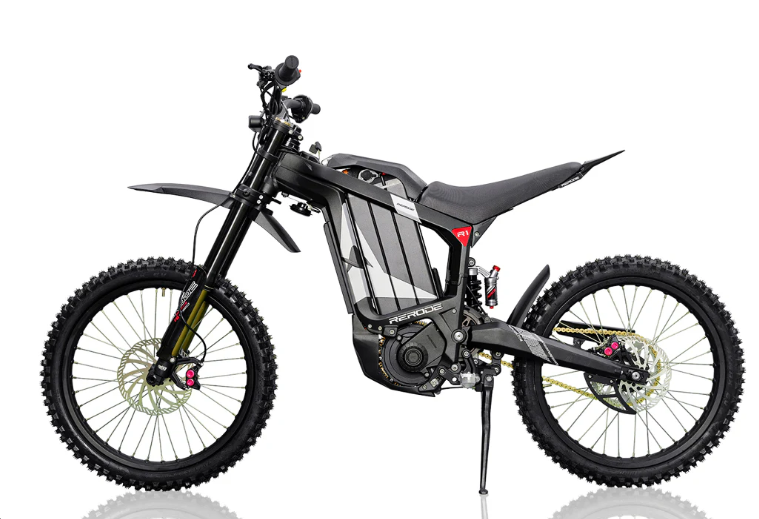
Pick the wrong mini bike electric motor and hills laugh at you; choose right, and your ride roars with torque, thrill, and unstoppable attitude.
The mini bike electric motor is the heartbeat of your ride—and when it’s wrong, you feel it in your bones. Sluggish takeoffs. Hills that mock you. Batteries that quit before the fun even starts. Picking the right motor isn’t just specs on paper; it’s the difference between a machine that purrs like a housecat and one that kicks like a rodeo bull.
Here’s the twist: the U.S. e-bike market hit $1.3 billion in 2022, according to Grand View Research, and growth isn’t slowing down. Power matters. Torque matters more. As Bosch eBike Systems puts it, “Torque is what you feel.” That punch off the line? That’s your motor choice talking.
Choose wisely, and your mini bike feels alive—snappy on straights, steady on climbs, smooth on throttle. Choose wrong, and it’s money down the drain. The motor isn’t a part. It’s the personality
5 Key Specs For Your Mini Bike Electric Motor
Picking the right mini bike electric motor isn’t just tech talk—it’s the difference between smooth cruising and a ride that feels underpowered. Let’s break down what really matters so your mini electric bike motor setup runs strong and steady.
Understanding Brushless DC Motor Fundamentals
A brushless DC motor sits at the heart of a solid mini bike electric motor setup. Its motor construction determines how smoothly power flows from battery to wheel.
-
Core Internal Structure
-
Stator
-
Contains copper windings
-
Fixed outer housing
-
Creates electromagnetic field
-
-
Rotor
-
Mounted with permanent magnets
-
Rotates inside the stator
-
Transfers motion to drivetrain
-
-
-
Electronic Control System
-
Controller
-
Manages electronic commutation
-
Adjusts timing and current
-
Controls throttle response
-
-
-
Performance Advantages
-
Lower friction (no brushes)
-
Reduced maintenance
-
Smoother torque curve
-
For a mini bike electric motor, that smooth torque delivery matters. When your electric motor for mini bike responds cleanly to throttle input, acceleration feels natural—not jerky. Brands like hezzobike design systems where the controller and rotor alignment are dialed in tight, keeping power predictable and fun.

Choosing the Right Rated Power Output
When shopping for a mini bike electric motor, rated power tells you what the motor can handle long term. Peak power gives short bursts. Both matter.
| Power Level | Continuous Power (W) | Peak Power (W) | Typical Terrain | Rider Weight Range (kg) |
|---|---|---|---|---|
| Entry | 500W | 800W | Flat roads | 50–75 |
| Mid-Range | 750W | 1200W | Mixed terrain | 65–95 |
| High Output | 1000W | 1600W | Hills & trails | 75–110 |
| Performance | 1500W | 2200W | Steep off-road | 85–120 |
If your performance needs include dirt trails or steep climbs, look beyond basic wattage. Think in kilowatts, check continuous limits, and match output to terrain. A mini electric bike motor rated too low will overheat; too high, and you waste battery. hezzobike models balance continuous power and peak boost so riders get punch without frying components.
Voltage Rating: Matching Battery Voltage to Your Motor
A mini bike electric motor only runs right when voltage rating and battery voltage align. This is about total system voltage, not guesswork.
-
Battery Configuration
-
Series connection
-
Increases total voltage
-
Boosts top speed potential
-
-
Parallel connection
-
Increases capacity
-
Extends ride time
-
-
-
Motor Compatibility
-
Check nameplate voltage
-
Confirm controller limits
-
Prevent overvoltage damage
-
-
Power Delivery Flow
-
Battery → Controller → Motor
-
Stable voltage = stable torque
-
Run a 48V battery on a 48V mini bike electric motor. Simple. Push 60V into a 48V system and you risk overheating and shortened lifespan. Proper motor compatibility keeps your electric motor for mini bike reliable and safe.
Optimizing Torque Delivery with Gear Reduction
Dialing in torque changes everything.
Step 1: Identify your target riding style. City cruising needs moderate acceleration. Trail riding demands serious hill climbing force.
Step 2: Select correct gear reduction.
Higher gear ratio = more torque, lower top speed.
Lower ratio = faster top end, less pulling power.
Step 3: Adjust drivetrain components.
-
Larger rear sprocket size boosts torque.
-
Smaller front sprocket increases multiplication effect.
-
Match with durable chain drive for reliability.
Step 4: Test and fine-tune.
Ride uphill from a stop. If the mini bike electric motor strains, increase reduction. If it screams at low load, ease it back.
That’s how you make a mini electric bike motor feel strong without overworking it.
Assessing Motor Efficiency for Longer Rides
High motor efficiency means less power loss, lower energy consumption, and longer runtime. It directly impacts battery life and riding range.
Short bursts of fun are cool. Long rides are better.
Heat is the enemy. Poor heat dissipation drains power and shortens component life. Efficient systems convert more electricity into motion, not warmth.
BloombergNEF’s 2025 electric mobility outlook noted that “improvements in drivetrain efficiency are extending light electric vehicle range by over 12% compared to 2023 models.” That matters for every mini bike electric motor on the road.
For riders chasing longer riding range, look at controller tuning, magnet quality, and cooling design. hezzobike integrates efficient controller mapping so your mini bike electric motor keeps pulling without burning through the battery too fast.
In the end, the right mini bike electric motor isn’t just about raw power. It’s about balance—voltage, torque, efficiency, and smart design working together.
How To Match Motor RPM To Your Build
Dialing in the right mini bike electric motor setup isn’t guesswork—it’s math mixed with real‑world feel. From wheel size to gear ratio, every tweak changes how your mini bike electric motor behaves on the street or trail. Let’s break down how motor RPM, electric motor output, and bike geometry work together so your mini bike electric motor actually fits your ride.
Calculating Required RPM Based on Wheel Diameter
When matching a mini bike electric motor to your build, start with wheel math.
-
Core Formula
-
Wheel Circumference = π × Wheel Diameter
-
Speed (km/h) = RPM × Circumference × 60 ÷ 1000
-
-
Reference Table for Common Builds
| Wheel Diameter (inch) | Target Speed (km/h) | Required Motor RPM |
|---|---|---|
| 10 | 25 | 1,326 |
| 12 | 30 | 1,323 |
| 14 | 35 | 1,330 |
| 16 | 40 | 1,326 |
| 18 | 45 | 1,317 |
-
What This Means
-
Smaller wheels → higher road torque feel
-
Larger wheels → lower motor strain at same cruising speed
-
Fat tires increase rolling resistance, nudging RPM demand upward
-
A compact electric bike motor on 10-inch wheels feels punchy. The same mini bike electric motor on 18-inch rims rides smoother but demands correct RPM targeting.
Factoring in Gear Reduction for Ideal Speed Sensor Readings
Your Gear Reduction Ratio directly affects controller data and Speed Sensor accuracy.
-
Identify motor shaft RPM from specs.
-
Divide by sprocket ratio (e.g., 11T:55T = 1:5).
-
Sync calculated wheel RPM with LCD settings.
-
Adjustment Layers
-
Motor Output
-
Rated RPM
-
Peak RPM
-
-
Drivetrain
-
Front Sprocket Size
-
Rear Sprocket Size
-
-
Controller
-
Wheel Size Input
-
Pulse Count Calibration
-
-
Misaligned ratios cause jumpy throttle response and fake speed numbers. Brands like hezzobike tune controllers so the mini bike electric motor and display speak the same language.

Balancing Torque and RPM for Your Frame and Suspension
High RPM with low torque feels smooth but weak on hills. High torque with low RPM stresses the Aluminum Alloy Frame and both Front Suspension and Rear Suspension.
-
Frame stress spikes during:
-
Hard launches
-
Heavy rider loads
-
Aggressive throttle bursts
-
A smart balance looks like this:
-
Moderate peak RPM
-
Controlled torque curve
-
Progressive throttle mapping
The goal isn’t max speed bragging rights. It’s steady pull, stable riding posture, and long-term durability. A well-matched mini bike electric motor setup—like those seen on hezzobike builds—keeps acceleration clean without rattling your whole frame.
Torque Vs RPM: Motor Comparison Guide
Picking the right mini bike electric motor can feel like choosing between muscle and speed. Some riders want punchy launches and hill pulls; others crave smooth high-speed runs. When comparing a mini bike electric motor, it all comes down to torque and RPM. Get this balance right, and your electric mini bike motor build just feels right on the road.
Torque
Torque is the grunt behind your mini bike electric motor. It shapes instantaneous power, controls acceleration, and defines real-world pulling power.
-
Core impact on ride feel
-
Low-speed behavior
-
Strong low-speed performance keeps starts smooth and controlled.
-
Better traction on dirt, gravel, or wet pavement.
-
-
Load response
-
Higher load capacity supports cargo racks or heavier riders.
-
Stable output when climbing.
-
-
-
Terrain adaptability
-
Urban slopes
- Reliable hill climbing without overheating.
-
Off-road tracks
- Consistent torque delivery prevents stalling.
-
For a mini electric motor on a heavier frame or fat tires, torque keeps things steady and confident. Twist the throttle, and it moves—no drama.
RPM
RPM defines how fast your mini bike electric motor spins, shaping top speed and overall rotational speed behavior.
-
Speed characteristics
-
High rotational speed
- Boosts high-speed cruising on open roads.
-
Extended range riding
- Improved efficiency at speed when matched with proper gearing.
-
-
Technical pairing
-
Motor design
- Different motor winding setups change RPM limits.
-
Setup tuning
- Smart gearing requirements balance speed and torque.
-
If your electric mini bike motor build is light and performance-focused, higher RPM feels lively. It stretches the road ahead and keeps the ride smooth when speed matters most.
Mini Bike Electric Motor Maintenance Tips
A mini bike electric motor works hard every ride. Keep your mini bike, electric motor system, and battery in check, and you’ll avoid those annoying power drops. From gear reduction care to firmware tweaks, this guide keeps your mini bike electric motor running smooth without drama.
Regular Cleaning and Inspection of Gear Reduction Components
Your mini bike electric motor depends on clean gear reduction parts for steady pull.
-
Visual inspection routine
-
1.1 Check outer components
-
1.1.1 Look for visible wear on sprockets
-
1.1.2 Spot cracks or damage near mounting bolts
-
-
1.2 Spin rear wheel
-
1.2.1 Listen for grinding inside the reduction case
-
1.2.2 Feel resistance changes
-
-
-
Brake rotor and spoke check
-
2.1 Confirm rotor clearance from motor housing
-
2.2 Verify spoke tension alignment to prevent uneven torque
-
-
Cleaning flow
-
Remove surface debris with a soft brush
-
Wipe housing with a dry cloth
-
Recheck alignment before sealing
-
A clean electric mini bike motor simply pulls harder and lasts longer.

Lubricate Moving Parts to Preserve Torque Delivery
Smooth torque delivery on a mini bike electric motor isn’t luck—it’s proper lubrication.
-
Chains need light oil every 150–200 km.
-
Reduction gears prefer high-temp grease.
-
Bearings hate dry friction.
1) Lift the rear wheel.
2) Apply lubricant to moving parts slowly.
3) Rotate wheel to spread evenly.
4) Wipe excess to protect efficiency.
Too much lube attracts dust. Too little increases friction and heat. Keep it balanced, and your electric motor bike responds instantly on throttle.
Update Your Motor Controller Firmware and LCD Display Settings
Modern mini bike electric motor setups rely on a tuned motor controller.
-
Check current firmware update version.
-
Compare with brand app or service portal.
-
Adjust LCD display settings for assist levels.
Inside the controller software, confirm:
• throttle sensitivity
• regenerative strength
• battery current limits
Fine configuration improves real-world performance. Brands like hezzobike regularly optimize firmware so the electric mini bike motor feels smoother off the line and steadier at cruising speed.
Maintain Battery Health: Charge Cycle Life and Capacity Care
Strong battery health keeps your mini bike electric motor consistent.
Battery Care Reference Table
| Charge Level (%) | Estimated Charge Cycles | Temp (°C) | Expected Capacity Retention (%) |
|---|---|---|---|
| 100–0 | 500 | 25 | 80 |
| 80–20 | 800 | 25 | 88 |
| 90–30 | 1000 | 20 | 90 |
| 70–30 | 1200 | 20 | 92 |
Nested care routine:
-
Daily use
-
1.1 Avoid deep discharging below 15%
-
1.2 Stop charging at 80–90% for city rides
-
-
Weekly check
-
2.1 Inspect connectors
-
2.2 Confirm pack storage area stays 15–25°C
-
-
Long-term parking
-
3.1 Store at 50–60%
-
3.2 Recharge every 30–45 days
-
Treat the battery right, and your mini bike electric motor stays punchy for years. Riders using hezzobike models often notice stable output when they stick to smart charge habits.
FAQs about Mini Bike Electric Motor
1. What should I check before buying a mini bike electric motor?
A mini bike electric motor should match your riding style and body weight, not just speed goals.
1) Motor core
-
Brushless DC motor for smooth throttle control
-
Rated power output that supports your weight capacity
-
Proper voltage rating aligned with battery voltage
2) Battery pairing
-
Lithium-ion battery with suitable battery capacity
-
Good charge cycle life for daily commuting
-
Reasonable charging time if you ride often
3) Frame fit
-
Aluminum alloy frame strength
-
Folding mechanism (if storage matters)
-
Front suspension for rough streets
When motor, battery, and frame work in balance, the ride feels natural instead of forced.
2. How does gear reduction change riding feel?
Gear reduction reshapes torque delivery at low speeds.
→ More pull when starting uphill
→ Smoother control with fat tires
→ Less strain on the motor controller
It allows a moderate rated power output to feel stronger, especially on heavier bikes with rear suspension. Riders notice better balance between acceleration and control, not just raw speed.
3. How do I match the battery system with the motor controller?
The motor controller acts as the bridge between battery voltage and throttle control.
Key alignment points:
-
Battery voltage = controller input rating
-
Battery capacity supports your daily distance
-
LCD display shows accurate speed sensor data
If regenerative braking is included, confirm compatibility with the lithium-ion battery design. A removable battery pack also makes charging safer indoors and protects long-term charge cycle life.
4. Does higher RPM always mean better performance?
Higher RPM increases top speed potential, but torque delivery defines real-world comfort.
Consider this balance:
-
Large wheel diameter → needs more torque
-
Fat tires → require stronger pull
-
Heavy rider + aluminum alloy frame → demands stable power
High RPM with weak torque can feel nervous. Moderate RPM with proper gear reduction feels confident and controlled.
5. What improves safety and comfort in a mini bike electric motor setup?
Performance means little without control and comfort.
Stopping power
-
Hydraulic disc brakes or mechanical disc brakes
-
Brake lever cut-off linked to the motor controller
-
Suitable brake rotor size for bike weight
Rider comfort
-
Adjustable seat height and padded saddle
-
Ergonomic grips and handlebar adjustability
-
Balanced riding posture supported by front suspension
A well-matched system—motor efficiency, braking system, and comfort design—creates a ride that feels stable, responsive, and enjoyable every time you twist the throttle.
Share:
E Bike Dirt vs. Gas Motocross: Which One Should You Buy This Year?
How to Find a Street Legal Electric Dirt Bike for Adults Today