
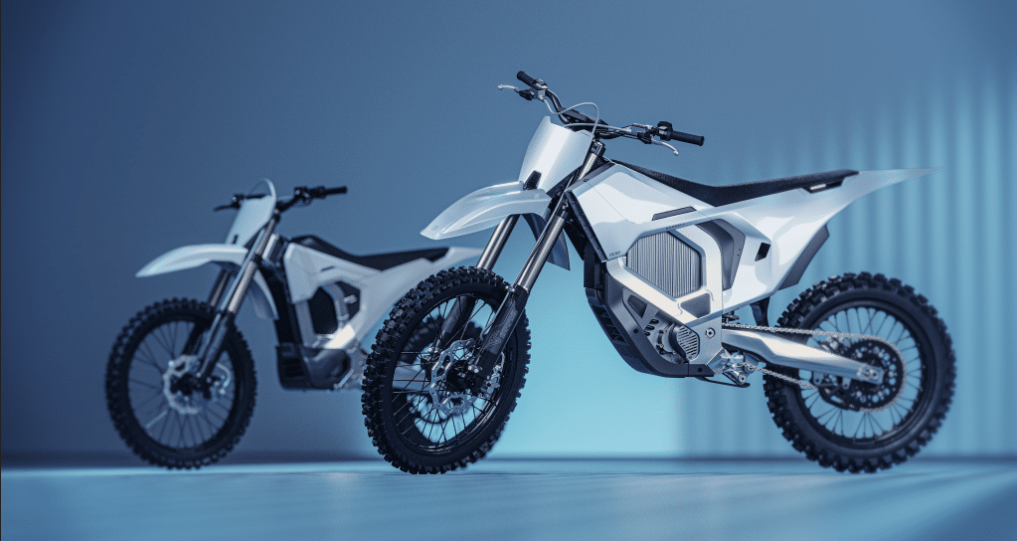
When silence sells and torque rules, the electric off road motorcycle turns dealers into trendsetters, not dust collectors.
The electric off road motorcycle isn’t just a shiny new toy—it’s the campfire rumor turning into a full-blown gold rush. Trail parks are tightening noise rules, fuel costs keep playing hopscotch, and riders still want that heart-thumping torque. For dealers and fleet buyers, this isn’t about cool factor. It’s about stocking machines that climb hard, charge smart, and don’t crawl back to the shop every other weekend.
Grand View Research reports the U.S. electric motorcycle market is projected to grow steadily through the decade, driven by tech gains and environmental policy. Translation? The tide’s coming in. Miss it, and you’re selling yesterday’s thunder.
Pick the right specs—battery range, torque curve, parts pipeline—and you’re sitting pretty. Pick wrong, and it’s a warehouse full of headaches.

5 Secrets To Picking Your First Electric Off Road Motorcycle
Getting into the electric off road motorcycle world feels exciting and a bit overwhelming. Power, battery, frame strength—it all matters when trails get rough. This guide breaks down what actually counts, so your first electric off road motorcycle feels right on dirt, gravel, and steep climbs.
Evaluate Electric Motor Power Output
When sizing up an electric off road motorcycle, start with the drive system:
-
Motor Specs
-
Check motor power in kW rating
-
Compare peak output vs continuous power
-
Review listed horsepower
-
-
Torque & Acceleration
-
Strong torque means quicker acceleration on loose climbs
-
Smooth controller tuning avoids jerky throttle feel
-
-
Real-World Use
-
Trail riding → steady continuous power
-
Short bursts → high peak output
-
An off road electric motorcycle with balanced torque and manageable throttle response keeps you confident instead of fighting the bike.
Inspect Suspension System for Terrain Adaptability
Suspension can make or break your ride.
-
Front Setup
-
Check fork type (inverted forks add stiffness)
-
Measure suspension travel for rocks and ruts
-
Tune damping adjustment
-
-
Rear Setup
-
Quality shock absorber
-
Correct spring rate for rider weight
-
Stable rear suspension linkage
-
-
Combined Balance
- Match front suspension feel with rear response
A well-set electric dirt bike stays planted instead of bouncing all over the trail.
Check Battery Pack Range per Charge
Battery talk isn’t boring—it’s freedom.
-
Review battery capacity and usable capacity
-
Compare brand range estimate to your riding style
-
Ask about charging time
Key details to confirm:
-
Battery chemistry for stability
-
Energy density for lighter builds
-
Expected recharge cycles
Brands like hezzobike focus on practical range, so your electric off road motorcycle handles weekend trail loops without constant charging stress.
Assess Chassis Frame Impact Resistance
Frame strength protects everything.
-
Core Structure
-
Durable frame material
-
Reinforced frame design
-
-
Build Quality
-
Clean weld quality
-
Tested impact strength
-
-
Geometry & Stress
-
Trail-friendly frame geometry
-
Reinforced stress points
-
A solid electric off-road bike should shrug off drops and flying debris while keeping the battery secure.
Verify Traction Control and Skid Plate
Grip and protection seal the deal.
-
Electronics
-
Responsive traction control system
-
Backup stability control
-
-
Ground Contact
-
Deep tire tread
-
Reliable off-road grip
-
-
Underside Armor
-
Strong skid plate material
-
Full skid plate coverage
-
Adequate ground clearance
-
hezzobike models often combine smart traction tuning with tough skid plates, giving your electric off road motorcycle the durability to ride hard without stressing every rock you hit.

3 Key Factors In Battery Performance
Battery performance can make or break an electric off road motorcycle. From riding distance to torque punch, every electric off road motorcycle depends on smart battery design to keep the fun going without cutting the ride short.
Range per Charge vs. Charging Time Balance
For any electric off road motorcycle, balancing battery capacity and recharge speed is where real-world usability shows up.
-
Riding Distance and Energy Core
-
Battery capacity directly affects riding distance on trails, hills, and loose gravel.
-
Higher energy density allows an electric off road motorcycle to travel farther without increasing pack size.
-
A tuned battery management system keeps discharge smooth, protecting usable range.
-
-
Charging Efficiency and Travel Flow
-
Faster recharge speed cuts total travel time, especially during weekend trail runs.
-
Access to reliable charging infrastructure determines how practical your electric off road motorcycle feels beyond your backyard.
-
Smart communication between charger and battery management system prevents overheating and extends cycle life.
-
-
Practical Balance in Real Use
-
Long range is great.
-
Fast charging is convenient.
-
The sweet spot depends on how far and how hard you ride your electric dirt bike.
-
BloombergNEF’s 2025 electric vehicle outlook notes that improvements in charging networks and battery efficiency are reducing range anxiety across light electric vehicles, including off-road segments.
Brands like hezzobike tune this balance so an electric off road motorcycle delivers solid range without locking you to an outlet all day.
Power Output Stability Under Torque Delivery
Twist the throttle on an electric off road motorcycle, and instant torque hits. What matters next is stability.
Strong motor efficiency supports better peak power, but stability under sustained torque keeps performance consistent on climbs. When voltage sag creeps in, throttle feels soft and uneven. That lag hurts throttle response and stresses controllers.
Key performance layers work together:
-
Power Core
-
Controlled power delivery curve
-
Reduced voltage sag under load
-
Stable output during repeated acceleration
-
-
Thermal Control
-
Effective heat dissipation in battery cells
-
Balanced current flow to protect peak power bursts
-
On a rugged electric dirt bike trail, stable discharge means fewer surprises. The bike feels planted, predictable, and ready to push harder without cooking the system.
Weight Distribution Impact on Capacity
Battery size alone doesn’t define a great electric off road motorcycle. Placement changes everything.
-
Structural Positioning
-
Lower battery placement drops the center of gravity, improving corner grip.
-
Central alignment enhances chassis balance during jumps and quick turns.
-
-
Handling and Suspension Response
-
Even overall weight spread improves handling dynamics in sand and mud.
-
Balanced load supports better suspension performance on rocky climbs.
-
-
Rider Control in Motion
-
Stable mass distribution strengthens rider control at slow crawl speeds.
-
A centered pack keeps the electric off road motorcycle steady during technical maneuvers.
-
An electric off road motorcycle built with smart battery layout feels lighter than it is. That’s why designs from brands like hezzobike focus not just on capacity, but on how that capacity shapes control, flow, and pure off-road fun.
Battery Capacity Vs. Weight Trade-Offs
An electric off road motorcycle lives or dies by its battery and how that weight sits on the frame. Riders want big miles and sharp control. Balancing power and agility is where smart design shows up on every trail ride.
Battery Capacity
When choosing an electric off road motorcycle, battery specs go beyond a simple number. Real-world trail use pushes range and runtime in ways pavement never will.
-
Core Performance Factors
-
Energy density shapes how much power fits into limited space.
-
Higher kilowatt-hours usually mean extended range.
-
Increased charging time often follows larger packs.
-
-
Thermal control affects long-term runtime stability.
-
Stable temperatures protect internal cells.
-
Better cooling supports consistent output on steep climbs.
-
-
-
Practical Trail Considerations
-
Long backcountry rides demand higher kilowatt-hours.
-
Riders planning 40–60 mile loops need strong range margins.
-
Remote charging options influence acceptable charging time.
-
-
Competitive riding values quick top-offs.
-
Shorter charging time keeps downtime low.
-
Balanced energy density reduces bulk.
-
-
-
Ownership Perspective
-
Warranty terms often scale with battery size.
-
Environmental impact links to cell chemistry and lifespan.
-
Brands like hezzobike tune battery management systems so each electric off road motorcycle maintains stable runtime without cooking the pack.
-
A high-capacity electric dirt bike feels freeing. Yet battery size must match riding style, not just bragging rights.
Weight Trade-Offs
Battery mass reshapes how an electric off road motorcycle handles tight woods and rocky climbs.
-
Handling Dynamics
-
Centralized mass improves handling.
-
Low placement supports sharper maneuverability.
-
Balanced frames enhance suspension performance.
-
-
Excess bulk increases rider fatigue on long rides.
-
-
Terrain Response
-
Technical trails demand quick body shifts.
-
Lighter builds improve maneuverability in switchbacks.
-
Reduced weight boosts transportability in trucks and trailers.
-
-
High-speed desert runs tolerate more battery weight.
- Stability rises, though handling may feel slower.
-
-
Setup Adjustments
-
Suspension tuning must match battery mass.
-
Spring rates adjust for improved suspension performance.
-
Damping tweaks reduce bounce and control rider fatigue.
-
-
Frame geometry influences overall transportability and balance.
-
A well-designed electric off road motorcycle blends smart battery sizing with dialed-in chassis setup. That’s where hezzobike stands out—building electric off road motorcycle models that keep power strong while staying agile. The result feels less like hauling a battery and more like riding a true off-road electric motorcycle built to rip.
How To Test-Ride An Electric Off Road Motorcycle
Taking an electric off road motorcycle out for a proper test ride isn’t just about twisting the throttle and hoping for a thrill. You’re checking safety, control, and long-term value. A smart ride tells you if that electric dirt bike truly fits your style.
Pre-Ride Checklist: Braking System and Tire Tread
Before rolling your electric off road motorcycle onto dirt, run through a tight inspection routine:
-
Braking System
-
Brake Lever Feel
-
Squeeze lightly; resistance should feel firm, not spongy.
-
Delayed pressure may signal air in the line.
-
-
Brake Pad Condition
-
Visually confirm pad thickness.
-
Listen for scraping during slow movement.
-
-
Brake Fluid Level
-
Check reservoir marking.
-
Fluid should sit between min and max lines.
-
-
-
Tire Setup
-
Tire Pressure
- Adjust for terrain; lower for loose gravel, standard for packed soil.
-
Tire Tread Depth
- Knobs must be sharp and evenly spaced.
-
Tire Sidewall Integrity
- Scan for cracks or bulges.
-
Confirm brand reliability with the Tire Manufacturer specs.
-
A solid electric off road motorcycle like hezzobike usually ships trail-ready, but never skip your own check.
Testing Ground Clearance and Waterproofing Rating
On rough terrain, details matter.
-
Chassis and Suspension
-
Suspension Travel
- Compress front and rear; rebound should feel controlled.
-
Frame Clearance
- Roll slowly over rocks to test underbody spacing.
-
-
Powertrain Protection
-
Motor Protection
- Inspect skid plates under the motor.
-
Battery Enclosure
- Look for tight seals and reinforced casing.
-
-
Sealing and Water Defense
-
Component Sealing
- Check cable entry points.
-
Water Ingress Protection
- Confirm IP rating for wet trails.
-
Test through shallow puddles with caution around Terrain Obstacles.
-
A capable off-road e-motorcycle should shrug off mud without stressing the battery.
Evaluating Controller Unit Responsiveness
Controller tuning defines the ride feel of an electric off road motorcycle.
-
Throttle Behavior
-
Throttle Sensitivity
- Twist gently; power should build smoothly.
-
Response Time
- No lag between wrist input and wheel spin.
-
-
Power Mapping
-
Power Delivery
- Acceleration must stay predictable.
-
Torque Curve
- Strong low-end torque helps on climbs.
-
Cycle through Riding Modes for trail and sport settings.
-
-
Braking Feedback
-
Regenerative Braking
- Notice how it slows on downhill runs.
-
Balance regen feel with rider control and Rider Input accuracy.
-
hezzobike models often shine here, offering crisp calibration that feels natural, not jerky.
Post-Ride Review: Maintenance Schedule and Diagnostics
After the dust settles, check the tech side.
-
Battery and Motor
-
Review display data for Battery Health percentage.
-
Note peak Motor Temperature during climbs.
-
-
Wear and Alerts
-
Scan for unusual Component Wear.
-
Read stored Diagnostic Codes if any warnings appeared.
-
-
Long-Term Care
-
Confirm Software Updates availability.
-
Identify key Lubrication Points.
-
Compare recommended Service Intervals with your riding frequency.
-
A dependable electric dirt bike should make ownership simple. When an electric off road motorcycle delivers clean diagnostics and clear service info, you know it’s built for real trail time, not just showroom shine.
FAQs about Electric Off Road Motorcycle
What should bulk buyers check before ordering an electric off road motorcycle?
A fleet decision carries pressure—performance, compliance, and shipping risks all collide at once.
1) Core performance checks
-
Electric motor power output and torque delivery under load
-
Battery pack capacity balancing range per charge and charging time
-
Stable weight distribution across the chassis frame
2) Structural durability
-
Chassis frame weld integrity and impact resistance
-
Suspension system travel and ground clearance
-
Tire tread depth for real terrain adaptability
3) Compliance & paperwork
-
Safety certification and emission standards
-
Road legality and import regulations
-
Clear customs clearance plan with your logistics partner
A careful review here prevents costly returns stacked inside a shipping container later.
How does battery performance influence long-term fleet operation?
Battery behavior defines daily rhythm—ride time, charging breaks, and rider confidence.
• Consistent power output protects the controller unit and braking system from erratic load spikes.
• Balanced weight distribution improves handling and reduces chassis frame fatigue.
• Shorter charging time eases pressure on charging infrastructure and power grid capacity.
Operational View:
| Factor | Operational Impact | Human Outcome |
|---|---|---|
| Range per charge | Fewer mid-route stops | Smoother delivery schedule |
| Waterproofing rating | Stable rides in rain | Rider trust |
| Energy management system | Controlled charging cycles | Lower environmental impact |
When battery pack stability is strong, inventory management and warranty coverage claims drop noticeably.
Which maintenance and compliance factors attract dealership chains?
Dealers think beyond the showroom floor—they picture years of service calls.
-
Spare parts availability across regional warehousing facilities
-
Clear service manual access and responsive technical support
-
Diagnostic tools compatibility for quick controller unit calibration
Under the surface, regulatory confidence matters just as much:
-
Verified safety certification reduces product liability risk.
-
Documented emission standards speed import regulations approval.
-
Defined maintenance schedule supports warranty coverage transparency.
In volume orders, reliability is emotional as much as technical—steady parts supply, clean paperwork, and a machine that starts every morning without protest.
Share:
Finding the Perfect Electric Mini Bike for Adults: A Buyer’s Guide
How to Find the Best Deals on an eBay Electric Dirt Bike Today