
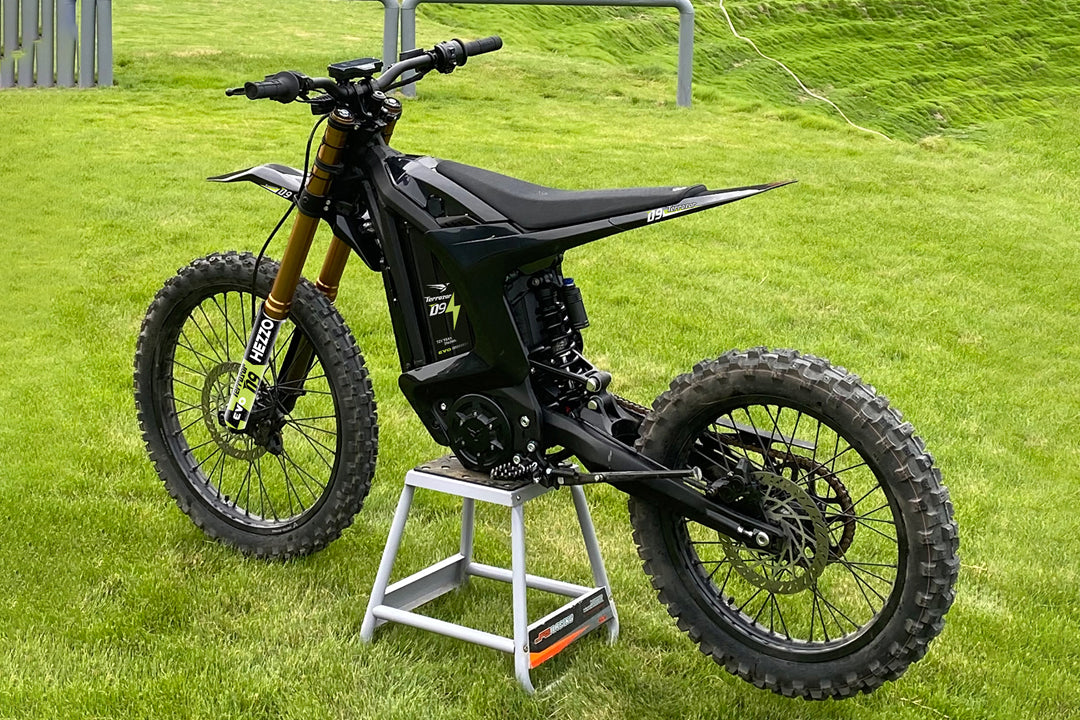
When trails turn wild, the segway x160 trades jabs with Surron—grit vs grace, torque vs control. Pick your electric dirt hero wisely.
The segway x160 and the Surron roll up like two poker players at a dusty trailhead, engines whisper-quiet, egos loud. One promises control and calm when rocks start biting back; the other flexes raw snap and swagger. Riders stuck choosing feel that knot in the gut—power or range, finesse or grit.
“Electric two‑wheelers keep gaining ground as batteries get cheaper and tougher,” notes BloombergNEF, tracking steady momentum across the category.
That tension is the spark here. We’re cutting past brochure bravado to talk trail truth—range anxiety, quick battery swaps, frames that forgive sloppy lines—so by the end, picking your ride feels less like a gamble and more like calling a winning hand.
Key Highlights: segway x160 Trail Triumph
→ Real-world range vs. torque: Aggressive throttle cuts mileage; moderate output extends ride time.
→ Battery swap ease: Removable packs slash downtime; fast-charge units still average 2 hrs to full.
→ Frame and weight balance: Aluminum chassis delivers nimble handling without sacrificing sturdiness.
→ Suspension tuning: Adjustable damping and preload optimize grip over roots, rocks, and ledges.

Battery Range Tested: Segway X140 Vs. Surron (Data-Driven)
Riders keep asking how the segway x160, Segway X 160, and even the segway x 160 stack up on battery life. So let’s break down hard numbers, real trail use, and what actually matters when you twist the throttle.
Comparing lithium-ion battery capacities and voltage ratings
When riders compare segway x160 to Surron or even the Segway X140, battery talk gets serious fast.
-
Battery Platform Basics
-
Battery capacity
-
Measured in Ah and Wh
-
Directly impacts usable trail time
-
-
Voltage rating
-
Higher volts = stronger acceleration pull
-
Supports better sustained top speed
-
-
Lithium-ion chemistry
-
Impacts heat control
-
Affects lifespan and energy density
-
-
-
Pack Construction
-
Battery pack configuration
-
Series setup → raises voltage
-
Parallel setup → increases total capacity
-
-
Cell type
-
18650 vs 21700 cells
-
Larger cells often improve energy density
-
-
| Model | Nominal Voltage (V) | Battery Capacity (Ah) | Energy (Wh) | Est. Peak Power (kW) |
|---|---|---|---|---|
| Segway X140 | 48V | 30Ah | 1440Wh | 4.0 |
| segway x160 | 60V | 32Ah | 1920Wh | 5.0 |
| Surron Light Bee | 60V | 40Ah | 2400Wh | 6.0 |
| Segway X 160 | 60V | 32Ah | 1920Wh | 5.0 |
| hezzobike Trail | 72V | 35Ah | 2520Wh | 7.2 |
Higher voltage rating on the segway x160 gives it snappier throttle feel than X140. That jump from 48V to 60V? You feel it instantly.
Real-world range per charge at different torque outputs
Numbers on paper are cute. Dirt tells the truth.
Key factors affecting range per charge on a segway x160:
-
Torque output setting
-
Terrain type (sand eats power)
-
Rider weight
-
Average speed
-
Throttle input
Light trail cruise at moderate torque output? You might see 35–45 miles on a segway x 160. Push max torque in mud with heavy throttle input, and energy consumption spikes hard. Range can drop under 25 miles.
On tight woods runs:
-
Lower torque mode
-
Controlled average speed
-
Smooth throttle roll
Result: better battery efficiency and cooler motor temps.
The Surron may edge ahead in pure distance due to higher Wh, but real riders often say the segway x160 feels more predictable in mixed terrain type. That counts.
Brands like hezzobike tune controller mapping to smooth torque curves, reducing wasteful current spikes and stretching usable mileage without killing the fun.
Charging time versus removable battery swap efficiency
Downtime can ruin a weekend ride.
-
Charging Infrastructure
-
Standard wall outlet
-
Fast charger upgrade
-
-
Charging Time
- 0–100% on segway x160: roughly 4–6 hours
-
Recharge Rate
-
Depends on charger amp output
-
Managed by the battery management system
-
Now compare that with removable battery setups.
-
Battery Swap Advantage
-
Pull pack
-
Drop in fresh unit
-
Back riding in minutes
-
Under the hood:
-
Battery management system
-
Balances cells
-
Protects charge cycles
-
-
Charge cycles
- Fewer deep discharges = longer lifespan
For long trail days, riders carrying a spare removable battery beat waiting on charging time. That’s why swap-ready systems, like those seen in some hezzobike performance builds, are gaining attention.
If you ride hard and often, battery swap efficiency isn’t just convenient. It changes how far you’re willing to go.
Weight Comparison: Segway X160 Model Vs. Surron (Comparative)
When riders compare Segway X160 and Surron, the talk usually circles back to weight, balance, and how that mass feels on dirt. The segway x160, segway x 160, and even the x160 segway all bring different riding vibes once you factor in build and layout.
Segway X160
-
Core Build and frame material
-
Aluminum chassis keeps overall weight controlled
-
Lower overall mass improves quick flicks through tight trails
-
Balanced dimensions help center the rider
-
-
Result: smoother transitions between acceleration and braking
-
-
Component Breakdown
-
Battery weight
-
Mounted low for stable corner entry
-
Helps the segway x160 stay planted on rocky climbs
-
-
Motor weight
-
Compact rear placement
-
Supports even traction under throttle
-
-
-
Real-World Feel
-
On technical single track
-
The segway x160 feels light but not twitchy
-
Balanced overall mass reduces arm fatigue
-
-
On open straights
- Stable posture thanks to thoughtful dimensions
-
Riders checking hezzobike often notice how the segway x160 specs translate into practical handling. The aluminum frame material keeps the segway x160 lively, and that balanced battery weight setup makes the segway x 160 a solid pick for newer and experienced riders alike.
Surron
-
Structural Base
-
Steel frame material
-
Slightly different weight distribution
-
Adds durability but shifts overall mass feel
-
-
-
Compact Layout
-
Tighter dimensions
- Easier bar-to-bar movement
-
Noticeable motor weight placement
- Quick snap acceleration
-
-
Ride Character
-
At low speed
- Agile response, easy directional changes
-
At higher speed
- Stability can feel lighter compared to segway x160
-
In back-to-back runs, the segway x160 often feels more evenly balanced, while Surron leans toward a nimble, compact dirt e bike personality. Both have their crowd, but if centered battery weight and predictable overall mass matter most, the segway x160 keeps things steady and confidence-inspiring.

5 Suspension Adjustments Explained (Layered)
Dialing in suspension on a segway x160 isn’t just garage talk—it’s how you turn a decent ride into a dialed-in trail machine. From fork tweaks to rear shock balance, every click shapes how your Segway X160 handles rocks, sand, and those sketchy landings.
Front suspension travel calibration
On a segway x160, tuning fork travel and total suspension stroke keeps the front tire glued to dirt instead of bouncing like crazy.
-
Check current air pressure and match it to your spring rate.
-
Watch for signs of bottoming out under hard compression.
-
Fine-tune rebound so the fork resets without kicking back.
Calibration flow on Segway X160:
-
Measure static sag.
-
Adjust pressure to control compression depth.
-
Test ride over roots.
-
Increase rebound damping if the front feels loose.
| Rider Weight (kg) | Air Pressure (psi) | Fork Travel Used (mm) | Rebound Clicks | Bottoming Risk (%) |
|---|---|---|---|---|
| 55 | 45 | 120 | 8 | 5 |
| 65 | 52 | 130 | 9 | 8 |
| 75 | 60 | 140 | 10 | 12 |
| 85 | 68 | 150 | 11 | 18 |
| 95 | 75 | 155 | 12 | 25 |
Rear shock absorber preload setting
Rear setup changes the vibe of the whole segway x160 bike.
-
Dial spring tension to match body weight.
-
Measure sag measurement to set correct ride height.
-
Adjust initial load for better suspension response.
Nested tuning logic:
-
Rear balance
-
Static sag (bike only)
-
Rider sag
- Target 25–30% travel
-
-
Handling outcome
-
Too much sag → low ride height, slow steering
-
Too little sag → harsh feel, weak suspension balance
-
A well-set rear keeps the electric dirt bike stable on climbs and punchy out of turns. That’s where hezzobike riders usually notice sharper traction right away.
Adjustable damping for varied terrain
The Segway X160 shines when compression damping and rebound damping are matched to terrain feedback.
Terrain-based setup:
-
Sand
-
Softer low-speed damping
-
Faster rebound
-
-
Rocks
-
Higher high-speed damping
-
Controlled rebound for stability
-
-
Hardpack
- Balanced click settings for steady control
Quick tweaks matter. One or two clicks can change bump absorption and corner grip on your segway x160. Riders upgrading through hezzobike often say proper damping makes the bike feel lighter without touching unsprung weight.
Inverted forks versus conventional forks
On the segway x160, fork style affects front-end feel big time.
Comparison breakdown:
-
Inverted forks
-
Larger stanchion diameter at the top
-
Reduced unsprung weight at the lower leg
-
Higher rigidity and better heat dissipation
-
Stronger performance characteristics off-road
-
-
Conventional forks
-
Simpler build
-
Easier maintenance
-
Solid durability for casual riders
-
For aggressive trail runs, inverted wins on feedback and control.
Suspension adjustability on the X160 frame
The segway x160 pairs suspension tuning with smart frame geometry. That combo shapes handling more than most riders expect.
Adjustment hierarchy:
-
Frame geometry
-
Steering angle
-
Wheelbase effect
-
-
Suspension linkage
-
Alters shock progression
-
Impacts rear traction
-
-
Shock mount position
-
Fine-tunes leverage ratio
-
Expands tuning options
-
Outcome on trail:
-
Sharper handling characteristics in tight turns.
-
Stronger off-road capability on climbs.
-
Real rider customization without heavy mods.
That’s why the segway x160 platform, especially when supported by hezzobike setups, feels confident and planted instead of twitchy. Small adjustments, big payoff.
Can Segway X160 Handle Technical Rock Sections? (Question-Based)
The segway x160 gets talked about a lot when riders start pushing into nasty rock sections. But talk is cheap. Real trails bring sharp obstacles, uneven terrain, and zero mercy for weak setups. So how does the Segway X 160 actually behave when the rocks get big and the lines get tight?
Does ground clearance conquer boulders?
When testing ground clearance on the segway x160, three layers matter:
-
Frame-to-rock relationship
-
Undercarriage impacts
-
Contact points at skid area
-
Angle of approach over square boulders
-
-
Underbelly protection
-
Thickness of bash plate
-
Coverage near motor housing
-
-
-
Suspension geometry
-
Suspension travel range
-
Front fork compression over ledges
-
Rear shock rebound control
-
-
Chassis pitch during slow climbs
-
-
Obstacle type vs. clearance height
| Obstacle Height (cm) | Ground Clearance (cm) | Suspension Travel (mm) | Impact Risk Level |
|---|---|---|---|
| 15 | 27 | 180 | Low |
| 20 | 27 | 180 | Moderate |
| 25 | 27 | 180 | High |
| 30 | 27 | 180 | Severe |
On paper, the x160 electric dirt bike clears mid-size rocks clean. Past 25 cm, line choice becomes critical. Riders who’ve compared builds at hezzobike note that careful body positioning reduces harsh belly hits even more.
Can the high torque motor power through ledges?
The heart of the segway x160 is its torque motor, and technical climbs are all about controlled power delivery.
-
Motor Output & Gear Ratio
-
Peak motor output tuned for low-end grunt
-
Balanced gear ratio for crawling speed
-
-
Climbing Behavior
-
Steady climbing ability at low RPM
-
Linear throttle response reduces wheel hop
-
-
Acceleration Control
-
Short bursts of acceleration for step-ups
-
Smooth roll-on to avoid traction loss
-
On tight ledges, the Segway X 160 doesn’t feel jerky. It feeds power in a way that helps the rear tire stay planted. That’s key when the rock face is jagged and space is tight.
Will tire grip and spoked wheels maintain traction?
Grip is where rides are won or lost.
-
Off-road tires with deep tread blocks bite into cracks.
-
Strong spoked wheels flex slightly, improving traction on loose surfaces.
-
Reinforced rims improve wheel strength during side hits.
On dry rock, tire grip feels confident. On damp stone or light mud performance zones, it still hooks up better than many entry-level electric dirt bikes. Riders often upgrade rubber through platforms like hezzobike for even more bite.
So can the segway x160 handle technical rock gardens? With smart line choice and steady throttle, yeah—it holds its own.
Forest Singletrack: Segway X160 Precision Steering (Scenario-Based)
Riding segway x160 on tight forest singletrack feels raw and real. The Segway X160, or even the segway electric dirt bike x160, shows its character when trails narrow and roots start fighting back. On a segway x160, control isn’t hype—it’s geometry, tires, and setup working together.
Tight turns with optimized wheelbase length
On a segway x160, smart wheelbase length shapes how the bike reacts mid-corner.
-
Steering Dynamics
1.1 Shorter effective wheelbase length
-
Improves turning radius
-
Boosts low-speed agility
1.2 Balanced chassis weight
-
Increases maneuverability
-
Stabilizes cornering speed
-
-
Trail Handling Metrics
| Setup Type | Wheelbase (mm) | Turning Radius (m) | Cornering Speed (km/h) |
|---|---|---|---|
| Stock X160 | 1235 | 2.4 | 28 |
| Tight Trim | 1220 | 2.1 | 30 |
| Extended | 1250 | 2.7 | 26 |
-
Real-World Flow
-
Narrow switchbacks reward compact geometry.
-
Quick bar input equals sharper trail handling.
-
Riders tweaking their segway x160 through hezzobike setups often feel that snap in the corners right away.
Navigating roots on an aluminum frame geometry
Roots test both rider nerve and aluminum frame design.
-
Frame Response
1.1 Optimized frame geometry
-
Maintains ground clearance
-
Protects motor housing
1.2 Controlled flex
-
Supports vibration damping
-
Improves impact absorption
-
-
Suspension Coordination
-
Adequate suspension travel keeps tires planted.
-
Frame stiffness adds durability on repeated hits.
-
On a segway x160, the aluminum chassis feels stiff when pushing hard, yet forgiving over jagged roots. Short bursts. Quick corrections. Confidence builds fast.
Off-road tires and tire tread pattern for grip
Grip decides everything on damp dirt.
-
Tire Construction
1.1 Aggressive tire tread pattern
-
Enhances traction
-
Sharpens cornering grip
1.2 Wide-profile off-road tires
-
Improve terrain adaptability
-
Aid mud shedding
-
-
Trail Reality
-
Soft soil demands bite.
-
Wet leaves punish smooth rubber.
-
With proper grip, the segway x160 tracks clean lines instead of sliding wide. Dialed tires turn sketchy forest runs into smooth, controlled flow.
3 Reasons You’ll Love Segway X160 (Bulleted)
The segway x160 has been getting serious buzz, and for good reason. From raw pull to tight stopping and long rides, this segway x 160 dirt e bike keeps things fun, fast, and surprisingly practical.
High torque motor transforms acceleration and power delivery
When riders talk about the segway x160, the hype usually starts with the motor. That torque motor setup changes how acceleration feels.
-
Motor Core Performance
-
Instant torque kicks in the second you twist the responsive throttle.
-
Smooth power delivery keeps the bike planted instead of jerky.
-
Strong acceleration makes short straights feel wild.
-
-
Off-Road Performance Gains
-
On loose dirt
-
Controlled wheel spin
-
Better line choice
-
-
On steep climbs
-
Steady pull
-
Less speed drop
-
-
-
Rider Experience on Segway X160
-
Quick launch at trail starts
-
Confident exits from tight turns
-
Noticeable boost compared to typical electric pit bikes
-
This is where the segway x 160 earns its rep. Brands like hezzobike know that riders crave snap and control, and the Segway X160 delivers both without feeling twitchy.
Hydraulic disc brakes with crisp brake lever feel
Stopping power on the segway x160 feels dialed in, not grabby. The hydraulic disc brakes give steady stopping power, and that clean brake lever feel builds real confidence when speeds climb.
Here’s what stands out:
-
Balanced front and rear rotor sizing
-
Predictable bite during trail braking
-
Strong control on loose gravel
Short pull. Firm response. No drama.
Recent industry reporting backs this up:
“Electric off-road motorcycles under 5kW are increasingly adopting hydraulic disc systems to meet rider expectations for control and safety,” noted a 2025 update from the Motorcycle Industry Council highlighting growth in lightweight electric dirt bikes.
On the segway x 160, that tech translates to smoother downhill runs and fewer white-knuckle moments. Even riders comparing it with other Segway dirt e-bike models often point to braking feel as a deciding factor. hezzobike riders switching over usually say the same thing: it just feels right.
Long-life lithium-ion battery for epic trail adventures
Range anxiety? Not really an issue on the segway x160. The lithium-ion battery is built for steady output and real endurance.
-
Battery Life Fundamentals
-
Stable voltage across the discharge cycle
-
Consistent throttle response as charge drops
-
Smart management for extended battery life
-
-
Trail Adventure Readiness
-
Medium trail loops
-
Solid range per charge
-
Minimal performance fade
-
-
Weekend sessions
-
Manageable recharge time
-
Reliable back-to-back rides
-
-
-
Real-World Segway X160 Use
-
Urban edge riding
-
Light track days
-
Forest path exploration
-
The segway x 160 setup balances power draw and efficiency better than many entry electric dirt bikes. Riders looking at hezzobike options often compare battery specs closely, and the Segway X160 holds its own with dependable output and practical recharge cycles.
Bottom line: the segway x160 isn’t just fun for ten minutes. It’s built to keep rolling.
FAQs about Segway x160
How does the Segway X160 compare to the Surron in battery range?
A quiet rivalry plays out on long trails.
-
The segway x160 runs a lithium-ion battery with a practical voltage rating that feeds a brushless DC motor smoothly.
-
Battery capacity supports solid range per charge for day rides, while a removable battery softens range anxiety.
-
Riders pushing high torque climbs or rapid acceleration time will feel range shrink faster, a shared truth with Surron models.
What makes the Segway X160 confident on technical trails?
The bike feels calm where the ground turns hostile.
-
Front suspension travel paired with inverted forks absorbs sharp hits.
-
Adjustable damping and a rear shock absorber tune the ride to body weight and mood.
-
Suspension adjustability keeps the aluminum frame settled over roots, ledges, and loose rock.
Why do riders trust the braking system on the Segway X160?
Speed builds tension; braking releases it.
-
Hydraulic disc brakes deliver a clean brake lever feel under pressure.
-
Front disc diameter and rear disc diameter balance control during steep drops.
-
Heat stays in check on long descents, letting focus stay on line choice, not panic.
Can the Segway X160 keep traction on rocky or loose terrain?
Traction decides confidence.
-
A high torque motor with strong torque rating feeds power without jerks.
-
Off-road tires with an aggressive tire tread pattern cling to stone and soil.
-
Spoked wheels and dialed tire grip maintain stability as wheelbase length and ground clearance work together beneath the rider.
Share:
How to Choose the Perfect Electric Trail Bike for Your Needs
The Ultimate Owner’s Guide to the Segway Dirt eBike X240