
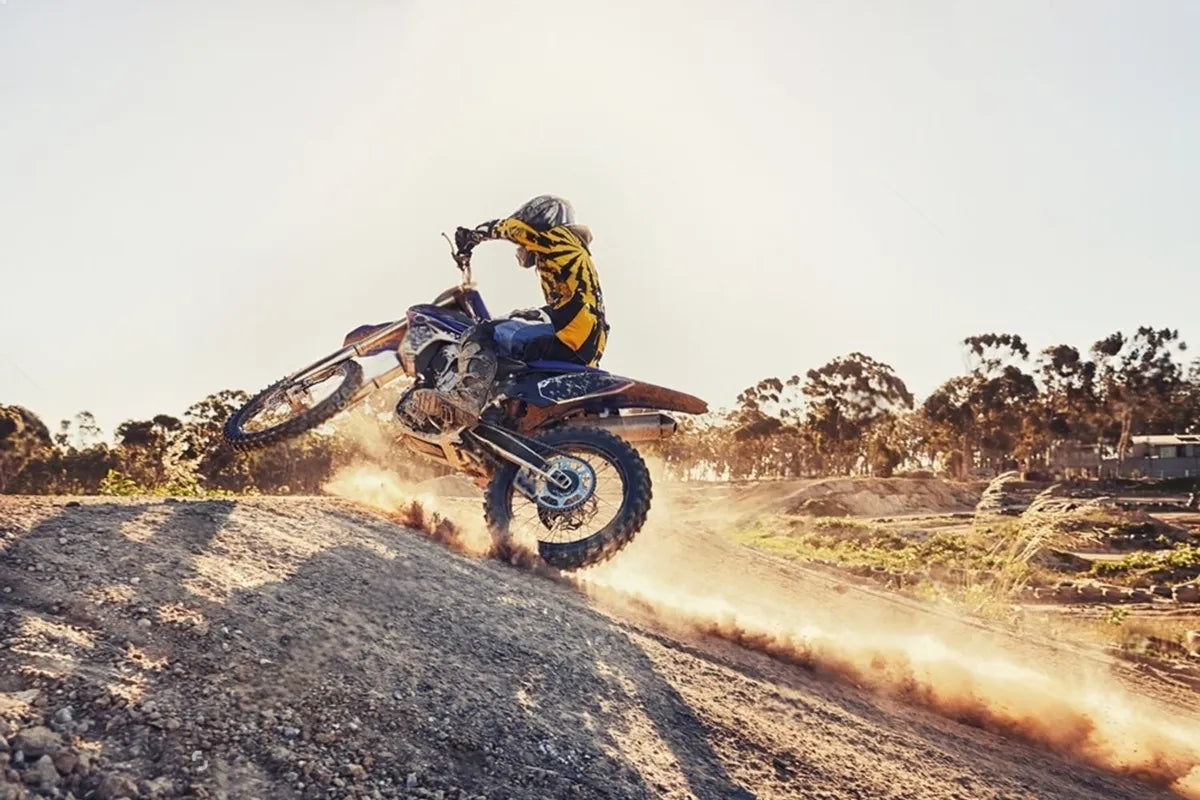
When gas fumes fade, profits rise—see why the electric off road bike is turning fleet managers into thrill‑seeking accountants.
Gas fumes are out; quiet muscle is in. The electric off road bike has rolled from fringe toy to boardroom headline, and big buyers feel the heat. If you run fleets, rentals, or distribution, this ride isn’t about weekend kicks—it’s about uptime, margins, and riders coming back smiling instead of wrench‑weary.
I’ve watched operators burn cash on machines that looked tough on paper and folded on rocky trails. Battery fade. Brake grief. Downtime that eats bookings. You want torque that bites, charging that keeps pace, and parts that don’t ghost you mid‑season.
Short and sweet: the U.S. Department of Energy points out EV drivetrains cut maintenance thanks to fewer moving parts—“lower service needs over vehicle life.” Statista also tracks steady growth in electric motorcycle adoption across North America, signaling buyer confidence.
This guide cuts through the noise. From power choices that fit terrain to warranties that protect fleets, we’ll steer from thrill talk to business sense—and get you ready to ride smarter at scale.

5 Shocking Mistakes When Buying An Electric Off Road Bike
Shopping for an electric off road bike sounds simple—pick a cool frame, big tires, and go. But once you hit real dirt, things get serious fast. From steep hills to muddy trails, an electric off road bike demands the right setup. Miss a detail, and your electric bike for off road fun turns into a headache.
Overlooking Motor Power vs. Terrain Demands
When picking an electric off road bike, motor specs are not just numbers.
-
Core Performance Factors
1.1 motor wattage
-
500W handles light trails.
-
750W–1000W suits steep hill climbing.
1.2 torque
- Higher Nm improves launch and control in rough trail conditions.
1.3 Rider Variables
- rider weight directly affects off-road capability.
-
-
Terrain Matching
2.1 Rocky climbs → high torque mid-drive
2.2 Sand or mud → steady power delivery
A powerful motor keeps your electric off road bike from stalling halfway up the hill. Brands like hezzo tune output carefully so torque and control feel balanced, not jerky.
Ignoring Battery Capacity and Range Per Charge
Range anxiety ruins off road riding.
-
Battery Basics
1.1 battery voltage impacts output strength.
1.2 amp-hours define endurance.
1.3 watt-hours show total energy.
-
Real Riding Impact
-
Long riding distance needs higher Wh.
-
Short recharge time matters for weekend trips.
-
A removable battery makes charging easier.
-
| Voltage (V) | Amp-Hours (Ah) | Watt-Hours (Wh) | Est. Riding Distance (km) |
|---|---|---|---|
| 48V | 10Ah | 480Wh | 35–50 |
| 48V | 15Ah | 720Wh | 55–75 |
| 52V | 15Ah | 780Wh | 60–85 |
| 52V | 20Ah | 1040Wh | 80–110 |
Cold weather drains an electric off road bike faster than expected. Plan smart.
Underestimating Suspension Travel and Wheel Size
Comfort and control come from proper setup.
-
Suspension System
1.1 front suspension absorbs impact.
1.2 rear suspension improves traction.
1.3 Strong shock absorption reduces fatigue.
-
Wheel Configuration
-
Larger wheel diameter rolls over rocks easier.
-
Wider tire width boosts grip.
-
Higher ground clearance prevents frame hits.
-
A serious e‑mountain bike should match suspension travel with terrain type. Too little travel, and every bump hits your spine.
Neglecting the Importance of a Reliable Braking System
Speed without control is trouble.
-
Brake Choices
1.1 disc brakes handle mud better.
1.2 hydraulic brakes offer stronger stopping power.
-
Long-Term Use
-
Good durability lowers failure risk.
-
Easy maintenance saves time.
-
On a downhill run, your electric off road bike relies on brake type more than you think. hezzo models often pair hydraulic systems with large rotors for steady control at high speed.
Skipping Warranty Terms and Technical Support
A solid electric off road bike should come with backup.
-
Protection Coverage
1.1 Clear warranty period.
1.2 Defined component coverage.
-
After-Sales Strength
-
Responsive customer service.
-
Local repair options.
-
Reliable dealer network.
-
Direct manufacturer support.
-
Buying an electric off road bike without checking support is risky. Parts wear out. Trails are tough. Smart riders choose brands like hezzo that stand behind the ride.

Types Of Electric Off Road Bike Motors
Picking the right motor changes how your electric off road bike feels on dirt, sand, or rocky climbs. Power delivery, torque, and efficiency all shape your ride.
Brushed DC Hub Motors
When riders look at entry-level electric off road bike options, brushed hubs usually pop up because of cost-effectiveness and mechanical simplicity. For casual trail fun, that’s not a bad start.
-
Core performance traits
-
Efficiency sits lower due to brush friction.
-
Torque output is steady but less refined at high load.
-
Heat builds faster, affecting long-term durability.
-
-
Ownership factors
-
Maintenance needs
-
Brush replacement at intervals
-
More frequent internal cleaning
-
-
Budget appeal
-
Lower upfront cost
-
Simple controller pairing
-
-
On a rugged electric off road bike, extra maintenance can feel like a chore. Still, for light riders or backup e dirt bike builds, it keeps things affordable.
Brushless Hub Motors
Most modern electric off road bike models now rely on brushless hubs. The jump in power output and energy efficiency is obvious once you hit loose gravel.
-
Performance edge
-
Higher torque under load
-
Better heat dissipation
-
Smoother throttle response
-
-
Longevity and ride feel
-
Extended longevity thanks to no brushes
-
Quiet, smooth operation
-
Balanced weight distribution at the wheel
-
The International Energy Agency noted in its 2025 Global EV Outlook that electric two-wheelers are gaining traction due to “improved motor efficiency and lower operating costs,” a trend clearly visible in the electric off road bike market.
Brands like hezzo lean into brushless systems for trail-ready reliability without constant wrench time.
Mid-Drive Motors
Mid-drives shift the game for any electric off road bike tackling steep hills.
-
Power mechanics
-
Direct gear integration with the drivetrain
-
Strong power delivery through bike gears
-
Enhanced hill assist response
-
-
Trail control
-
Improved climbing ability on steep grades
-
Better traction control in mud or loose rock
-
Centralized weight balance for sharper handling
-
For riders who treat their electric off road bike like a weekend mountain goat, mid-drive setups make technical terrain feel less sketchy and more controlled.
Geared vs. Direct-Drive Variations
Hub motors split into two camps on an electric off road bike: geared hub and direct drive hub.
-
Geared hub
-
Compact internal gears
-
Punchy torque characteristics at low speed
-
Slightly higher noise level
-
Lower top-end speed potential
-
-
Direct drive hub
-
No internal gears
-
Smoother power curve
-
Strong efficiency at speed
-
Reduced routine maintenance needs
-
For riders chasing higher cruising speeds on open trails, direct drive feels steady and planted. For tight climbs and stop-start dirt tracks, geared hubs bring that instant grunt. Many electric off road bike builders, including hezzo, match motor type to riding style so the bike feels dialed in, not overbuilt.
3 Key Battery Factors Explained
Choosing the right battery for an electric off road bike isn’t just about numbers on a spec sheet. When you ride an electric off-road bike across dirt trails, steep hills, or loose gravel, battery behavior changes fast. From electric power delivery to repair costs, every detail shapes how your electric off road bike actually feels on the trail.
Battery Capacity and Real-World Range
When sizing up an electric off road bike, battery math matters—but real life hits differently.
-
Core Capacity Metrics
-
Watt-hours (Wh) determine stored energy. Higher Wh usually means longer Kilometer range and Miles range.
-
Typical trail-focused electric dirt bike setups range from 500Wh to 960Wh.
-
Range shifts based on:
-
Terrain type (sand drains faster than packed soil)
-
Rider weight (heavier load, higher draw)
-
Assistance level (turbo mode eats range quickly)
-
-
-
Real-World Comparison Table
| Battery (Wh) | Avg Kilometer range | Avg Miles range | Riding conditions |
|---|---|---|---|
| 500Wh | 45–60 km | 28–37 mi | Mixed trail |
| 720Wh | 65–85 km | 40–53 mi | Forest + hills |
| 960Wh | 85–110 km | 53–68 mi | Mountain terrain |
For riders pushing an electric off road bike hard, higher capacity helps—but smart throttle control matters just as much. Brands like hezzo tune output curves to balance punch and endurance on rough terrain.
Charging Time: Fast Chargers vs. Standard Chargers
Battery recovery shapes ride frequency.
-
Charging Performance
-
Charging speed depends on Battery voltage and Amperage output.
-
Fast systems cut Charging duration nearly in half.
-
Standard setups extend Charging cycles by keeping heat lower.
-
-
Practical Trade-offs
-
Fast charging
-
+ High Convenience
-
+ Better for long trail days
-
– Slightly increased stress over time
-
-
Standard charging
-
+ Stable temperature
-
+ Supports long-term cell health
-
– Less Portability if charger is bulky
-
-
A well-matched charger keeps your electric off road bike ready without pushing the pack too hard. Hezzo designs its electric off-road bike systems to manage heat during higher input loads.
Component Lifespan and Ease of Repair
Long-term ownership of an electric off road bike goes beyond range.
-
Battery Durability
-
Quality cells reduce Battery degradation across 800–1,000 Recharge cycles.
-
Clear Warranty period terms signal confidence.
-
-
Service Design
-
Modular design allows:
-
Quick pack removal
-
Targeted cell replacement
-
Lower Replacement cost
-
-
Strong Serviceability improves uptime.
-
Reliable Manufacturer support keeps parts available.
-
When your electric off road bike is built for easy access and clear documentation, repairs feel manageable, not stressful. That’s the difference between parking it in the garage and hitting the dirt again next weekend.
Throttle Vs. Pedal Assist: Pros And Cons
Riding an electric off road bike hits different depending on how power is delivered. On rough dirt, steep climbs, or loose gravel, your choice between throttle and pedal assist shapes range, control, and pure fun. Let’s break it down in a real-world way.
Throttle
On an electric off road bike, throttle mode is all about instant power and straight-up effortless riding. Twist or press, and the motor answers immediately. No warm‑up. No spin‑up.
-
Core riding feel
-
Power delivery
-
Direct engagement
-
Strong launch torque
-
High control in tight turns
-
-
Rider effort
-
Minimal pedaling
-
Less exercise, more cruising
-
-
-
Trail performance impact
-
Technical climbs
-
Quick bursts help clear rocks
-
Useful in sand or mud
-
-
Long-distance rides
-
Higher battery drain
-
Potentially limited range
-
-
For riders comparing setups on an electric off road bike, data helps:
| Mode Type | Avg Power Output (W) | Energy Use (Wh/km) | Estimated Range (48V 15Ah) |
|---|---|---|---|
| Full Throttle | 750 | 22–28 | 25–35 km |
| Mixed Use | 500 | 16–20 | 35–45 km |
| Eco Throttle | 350 | 12–15 | 45–55 km |
In short, throttle on an electric dirt bike brings simplicity. Twist and go. It feels bold, punchy, and a little addictive. Great for quick climbs. Not so great if you’re chasing max miles.
Pedal Assist
Pedal assist on an electric off road bike blends motor output with your legs. The result? Enhanced endurance and a seriously natural feel.
-
Assistance structure
-
Sensor input
-
Cadence-based
-
Torque-based
-
-
Output style
-
Smooth ramp-up
-
Variable assistance levels
-
-
-
Rider benefits
-
Physical side
-
Real exercise benefit
-
Reduced joint strain
-
-
Performance side
-
Better battery efficiency
-
Noticeably extended range
-
-
On an e off road bike, pedal assist usually works like this:
-
Start pedaling.
-
Sensor reads crank movement or force.
-
Motor supplies proportional support.
-
You adjust level for a customizable ride.
For longer backcountry runs, this setup shines. You still get help climbing hills, yet the battery lasts longer. Many electric off road bike riders say pedal assist feels smoother and more balanced, especially on rolling terrain.
If throttle feels like a dirt bike with a boost button, pedal assist feels like you—just stronger.
Battery Dying Too Fast? Here’s The Fix
If your electric off road bike feels like it’s losing juice way too fast, you’re not alone. Long trail days, rough terrain, and wild weather can drain any electric off road bike. Let’s break down smart, real-world fixes that keep your ride strong.
Optimize Charging Habits for Maximum Battery Health
For any electric off road bike, daily charging habits shape long-term performance.
-
Charging control
-
Charging cycles
-
Keep partial cycles between 20%–80% to reduce stress.
-
Avoid constant 0% to 100% runs.
-
-
Discharge levels
-
Don’t let the pack sit empty overnight.
-
Deep drains shorten lifespan.
-
-
-
Smart power flow
-
Charging speed
- Fast charging is cool for emergencies, not daily life.
-
Battery management system
- Let the battery management system balance cells before unplugging.
-
-
Storage habits
-
Storage charge
- Store at 50–70% if you’re parking your electric dirt bike for weeks.
-
Charging routine
- Build a steady charging routine instead of random top-ups.
-
Trail riders using hezzo models often notice steadier range per charge just by tightening these basics.
Upgrade to Higher-Capacity Cells or Add a Range Extender
Sometimes habits aren’t the issue. Your electric off road bike may just need more juice.
-
Bigger battery capacity means longer rides.
-
Higher energy density cells improve range without crazy weight gain.
-
A plug-in range extender works great for backcountry routes.
-
Check your current voltage and amperage limits.
-
Match upgrades with safe cell chemistry.
-
Confirm motor power output compatibility.
More capacity equals more freedom. For riders pushing an electric off road bike through sand, mud, and steep climbs, that upgrade feels like night and day. Even a compact electric trail bike benefits from smarter cell choices.
Monitor Temperature Range and Water Ingress Protection
Your electric off road bike deals with heat, cold, mud, and creek crossings. That’s rough on batteries.
-
Temperature awareness
-
Operating temperature
- Stay within the recommended operating temperature window.
-
Ambient temperature
- Charging in extreme ambient temperature conditions stresses cells.
-
-
Heat control
-
Thermal management
- Inspect thermal management components regularly.
-
Cooling system
- Keep the cooling system vents clear of debris.
-
-
Moisture defense
-
Water resistance and ingress protection rating
- Confirm seals match your riding style.
-
Watch key environmental factors like heavy rain and deep water crossings.
-
A well-sealed electric off road bike keeps performance steady and avoids surprise shutdowns.
Schedule Regular Service Intervals and Firmware Updates
Battery life isn’t just hardware. Software matters too.
-
Follow your maintenance schedule
-
Log service history.
-
Inspect for component wear.
-
-
Run diagnostic checks
-
Catch voltage imbalance early.
-
Test controller efficiency.
-
-
Update tech
-
Install the latest firmware version.
-
Apply official software updates for better performance optimization.
-
Modern electric off road bike systems improve over time through updates alone. A tuned electric off road bike feels smoother, pulls harder on climbs, and stretches every charge just a bit further.
FAQs about Electric Off Road Bike
What motor power is ideal for an electric off road bike on steep terrain?
Climbing rocky hills demands more than speed—it demands control.
1) Motor Power & Torque Output
-
Higher motor power paired with strong torque output improves climbing ability and acceleration rate on loose trails.
-
Mid-drive systems enhance weight distribution, keeping the front wheel grounded.
2) Battery Capacity & Range Per Charge
-
Larger battery capacity supports longer hill sessions without sacrificing top speed.
-
Stable output protects performance across wide temperature ranges.
3) Terrain & Ride Feel
-
Match suspension travel and wheel size to terrain type suitability.
-
Balanced frame material reduces fatigue and improves ergonomics during long ascents.
The right setup feels steady, not aggressive—power that answers your throttle without fighting your grip.
Why is a dependable braking system critical for safety?
Speed thrills. Stopping safely builds trust.
A high-quality braking system directly shapes rider confidence and component lifespan:
-
Hydraulic disc brakes improve traction control and tire grip on mud, sand, or gravel.
-
Consistent response protects control layout stability during sudden deceleration.
-
Reliable lighting system and kill switch add backup security in low visibility or emergency moments.
Performance vs. Protection Overview
| Aspect | Rider Impact | Fleet Impact |
|---|---|---|
| Braking system | Shorter stopping distance | Lower accident risk |
| Tire grip | Better downhill control | Reduced wear |
| Weather resistance | Stable in rain/dust | Fewer service intervals |
Strong brakes are not just hardware—they are reassurance at high top speed.
How can frequent riders prevent battery wear in fleet use?
Heavy use tests both machine and patience.
① Charging Habits
-
Keep battery capacity between 20%–80% when possible.
-
Respect recommended charging time and avoid extreme temperature range exposure.
② Maintenance Discipline
-
Schedule service intervals for firmware checks and display features calibration.
-
Monitor water ingress protection and dust resistance after rough rides.
③ Support & Logistics
-
Clear warranty terms and parts availability reduce downtime.
-
Accessible technical support and documentation simplify training programs and ease of repair.
Careful habits extend range per charge, protect component lifespan, and keep every electric off road bike ready for the next climb.
Share:
The Ultimate 40v 2000w Electric Dirt Bike Review: Is It Worth It?
The Ultimate Guide to Choosing Your First 52v Electric Pit Bike