
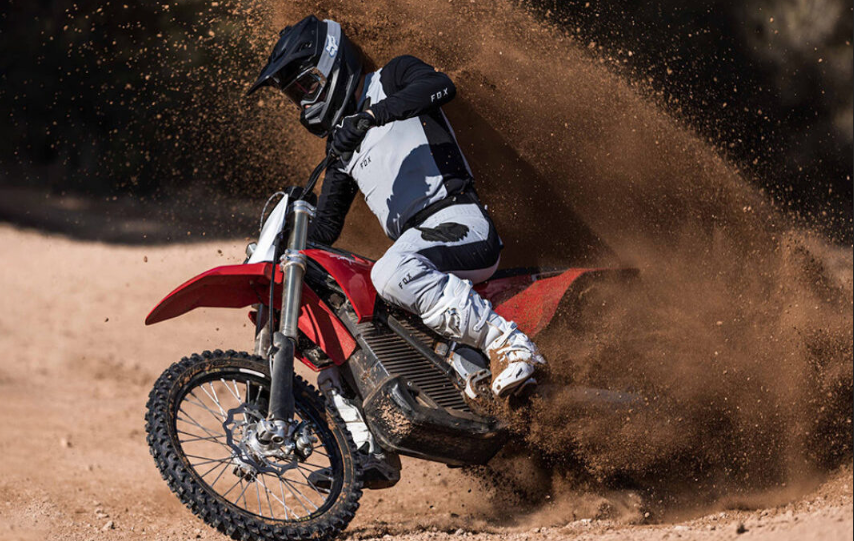
When profit rides on wheels, the smart fleet bets on an e bike dirt bike—quiet power, low upkeep, and swagger that sells your brand.
The debate over an e bike dirt bike versus a gas burner feels less like a spec sheet showdown and more like picking a business partner. One rattles the barn doors, smells like fuel, and asks for tune‑ups on a tight schedule. The other glides in quiet as a cat burglar, punches hard off the line, and skips half the shop visits. For fleet buyers, rental operators, and tour outfits, this choice hits the wallet, the calendar, and the brand story all at once. Downtime costs money. Noise complaints cost permits. Maintenance headaches cost sleep.
Here’s the cliffhanger: buy the wrong platform, and profit limps along like a flat tire. Buy the right one, and the operation hums—sometimes literally. The pages ahead sort muscle from math, thrill from overhead, and help decide which machine earns a parking spot in a serious fleet.
Reading Notes: e bike dirt bike Essentials
➔ Power & Performance: Electric delivers instant torque, low noise, minimal upkeep; gas offers higher range and traditional tune-ups.
➔ Cost & Efficiency: Upfront e-bike price plus charging beats fluctuating fuel and long-term engine repairs; battery longevity vs. engine wear.
➔ Terrain & Maintenance: E-bike excels in light-to-medium trails with fewer service stops; gas suits extended off-road use but demands frequent checks.
E Bike Dirt Bike Vs. Gas: What’s The Real Difference?
The e bike dirt bike debate is heating up fast. Riders talk torque, noise, range, and upkeep like it’s a backyard showdown. If you’re torn between an e bike and a dirt bike, here’s the straight-up breakdown in plain English.
E-Bike Dirt Bikes
An e bike dirt bike runs on an electric motor powered by battery power, and that changes the whole ride feel.
-
Power System
-
Motor Output: instant pull from the electric motor
-
Torque Style: pure instant torque, no clutch work
-
Sound: true quiet operation
-
-
Energy & Range
-
Battery Size: 48V–72V common
-
Limits: real-world range limitations depend on terrain
-
Downtime: charging time ranges from 3–6 hours
-
-
Ownership Experience
-
Fewer moving parts, lighter weight balance
-
Minimal oil changes, low routine care
-
Emission-friendly and trail-legal in many zones
-
| Model Type | Motor Power (kW) | Battery (Wh) | Avg Range (miles) | Charging Time (hrs) |
|---|---|---|---|---|
| Entry Electric | 3 | 1500 | 25 | 4 |
| Mid-Range E Bike | 5 | 2400 | 40 | 5 |
| Performance E Dirt Bike | 8 | 3500 | 55 | 6 |
| Youth Electric | 2 | 1000 | 18 | 3 |
Brands like hezzo push the electric dirt bike scene forward, making the e bike dirt bike option feel less like a compromise and more like the future.
Gas-Powered Dirt Bikes
A classic dirt bike runs on an internal combustion engine fed by a fuel tank. Twist the throttle and the power delivery builds with revs. It’s loud too—real exhaust noise, no hiding it.
• Engine sizes range from 125cc to 450cc
• Quick refueling speed, just minutes
• Proven longer range for backcountry rides
Maintenance hits harder:
1) Oil and filter swaps
2) Valve checks
3) Regular engine maintenance
For long off-grid trails, a gas dirt bike still rules. But the e bike dirt bike crowd loves the smooth hit of torque and low fuss. hezzo fans often say once you try electric, that silent surge is tough to give up.
E Bike Dirt Bike Vs. Gas: Cost, Performance, And Efficiency
Electric trails are getting loud in a different way. Riders comparing an e bike dirt bike to a gas machine usually care about money, speed, and how far the fun lasts. This breakdown keeps it real and easy to digest.
Upfront vs. Lifetime Cost Analysis
When stacking an e bike dirt bike against a gas dirt bike, costs fall into layers:
-
Initial purchase price
-
Electric dirt bike: higher sticker in some cases
-
Gas dirt bike: wider entry range
-
-
Maintenance costs
-
Electric:
-
Fewer moving parts
-
Lower routine repair expenses
-
-
Gas:
-
Oil changes
-
Valve checks
-
Engine rebuild risk
-
-
-
Fuel expenses vs. electricity costs
-
Gas adds weekly pump bills
-
Charging an electric bike from a home outlet cuts energy spend
-
-
Long-term value
-
Battery care affects ownership duration
-
Engine wear impacts depreciation value
-
Brands like hezzo push stable battery design, easing worries about cell aging in an e bike dirt bike setup.
Motor Power Output and Top Speed Breakdown
Performance splits into measurable layers:
-
Horsepower / kilowatts
-
Electric rated in kilowatts
-
Gas measured in horsepower
-
-
Torque delivery
-
Electric:
-
Instant torque
-
Sharp acceleration
-
-
Gas:
-
Builds revs
-
Strong mid-range peak power
-
-
-
Speed profile
-
Compare maximum speed
-
Track sustained power on hills
-
A tuned e bike dirt bike often feels quicker off the line than a small gas dirt bike, even if top speed numbers look close.
Range per Charge and Charging Time Efficiency
Distance and downtime decide trail freedom:
-
Battery capacity
- Larger pack = longer riding distance
-
Energy consumption
- Sand and climbs raise draw
-
Charging duration
-
Standard wall power outlet availability
- 4–8 hour recharge time
-
-
Fuel tank range
-
2–3 minutes to refill
-
Extra cans extend miles
-
For remote riding, planning matters. A hezzo electric dirt bike can cover solid miles per charge, yet a gas dirt bike still wins quick refuel speed. The right e bike dirt bike choice comes down to how and where you ride.
Gas Vs. E Bike Dirt Bike: Which Is More Cost-Effective?
Choosing between a gas machine and an e bike dirt bike often comes down to money over time, not just the price tag. Riders talk about power and thrill, sure. Still, fuel bills, battery swaps, and repair runs quietly shape the real cost story.
Gas-Powered Dirt Bikes
When riders size up a gas dirt bike against an e bike dirt bike, cost breaks down into layers:
-
Upfront and daily operation
1.1 Engine performance depends on steady fuel use; frequent refueling adds weekly expense.
1.2 Trail days burn more gas under aggressive throttle.
1.3 Price swings at the pump hit long-term budgets.
-
Maintenance cycle
2.1 Oil changes, air filters, and exhaust servicing stack up.
2.2 Louder noise often means added checks to stay trail-legal.
2.3 Rough terrain accelerates wear on clutch and transmission parts.
-
Support network
3.1 Established dealers make parts easy to source.
3.2 Independent mechanics understand traditional dirt bike setups.
3.3 Durable frames handle abuse well, though the engine demands consistent care.
Gas bikes feel tough and familiar. Yet compared to an electric dirt bike, recurring fuel and service costs rarely stay low for long.
E-Bike Dirt Bikes
An e bike dirt bike flips the expense model:
-
Energy and charging
1.1 Home charging keeps electricity bills predictable.
1.2 The battery defines both range and cost per ride.
1.3 No gas, no last-minute refueling stops.
-
Mechanical simplicity
2.1 Fewer moving parts around the electric motor.
2.2 Minimal oil changes; less drivetrain strain.
2.3 Reduced wear means fewer workshop visits.
-
Long-term considerations
3.1 Battery replacement cycles matter; warranties soften the hit.
3.2 Quiet operation lowers complaints and fits tighter regulations.
3.3 On rocky trails, steady torque protects components from shock stress.
Over several seasons, many riders find the e bike dirt bike easier on the wallet. Lower servicing, controlled charging costs, and fewer mechanical headaches make the electric dirt bike a practical choice for steady off-road fun.
How To Decide Between E Bike Dirt Bike And Gas?
Picking between an e bike dirt bike and a gas ride can feel like choosing between quiet tech and raw rumble. Some riders want torque on tap; others want that throttle roar. This guide breaks down how an e bike, dirt bike, or full electric dirt bike stacks up when the trail gets real.
Evaluate Off-Road Capability and Terrain Handling
When judging off-road performance, stack it up like this:
-
Power delivery
-
Climbing ability
-
E bike dirt bike: instant torque, smooth traction on rocky climbs
-
Gas dirt bike: strong mid-range pull, thrives on long hill runs
-
-
Mud handling
-
Electric dirt bike: steady throttle response limits wheel spin
-
Gas: heavier feel may reduce maneuverability
-
-
-
Weight and balance
-
Lighter e bike builds improve terrain adaptability on tight trail riding.
-
Heavier gas bikes stay planted at speed.
-
If you ride twisty woods every weekend, an e bike dirt bike often feels playful. Open desert? Gas still rips.
Compare Suspension Travel and Jump Absorption
Look deeper into hardware:
-
Suspension travel length
-
Fork and rear damping control
-
Frame impact resistance
For jump lines:
-
Takeoff stability
-
Mid-air balance
-
Landing performance
An electric dirt bike with quality shock absorption handles repeated hits well, but aggressive riders should check frame welds and linkage strength. Ride comfort matters when you overshoot.

Assess Spare Parts Availability and Maintenance Schedule
Ownership isn’t just riding.
-
Spare parts access
-
Maintenance frequency
-
Repair complexity
Gas dirt bike:
-
Shorter service intervals
-
Oil, filters, top-end checks
E bike dirt bike:
-
Fewer moving parts
-
Battery health monitoring
-
Lower ease of repair for home mechanics
Brands like hezzo keep part sourcing simple with direct shipping, which cuts downtime. Less wrenching, more riding.
Review Safety Features: Traction Control and Kill Switch
Safety tech can sway the call.
-
Traction control tuning
- Adjustable levels improve stability control on loose gravel
-
Kill switch access
- Quick emergency stop response
-
Braking system strength
- Hydraulic discs boost rider safety
Electric dirt bike models often add smooth throttle response, reducing whiskey throttle moments. Good lighting also keeps night trail runs legit.
Balance Battery Capacity Needs with Budget Constraints
Money talks.
-
Battery capacity vs expected range
-
Charging time vs ride schedule
-
Required power output
Short blasts on local tracks? A mid-size e bike dirt bike works fine. Long backcountry loops demand higher energy storage, which raises cost.
Gas bikes cost less upfront sometimes, but fuel and upkeep stack up. hezzo options aim to balance usage duration and rechargeability without blowing the budget.

FAQs about E Bike Dirt Bike
What are the main advantages of choosing an e bike dirt bike for fleet purchase?
An e bike dirt bike speaks to operators who want quiet power and clean compliance.
-
Lower noise level limits help meet local usage laws in parks and residential zones.
-
Zero emissions simplify certification standards and import requirements.
-
Fewer moving parts reduce the maintenance schedule and oil-related servicing.
In practice, stable motor power output and consistent torque improve trail riding performance while cutting fuel costs. With clear warranty coverage terms and growing service network support, fleet planning feels predictable rather than risky.
How does motor power output compare with gas dirt bikes in real riding?
Electric and gas machines feel different on the trail.
-
Motor response – Instant torque from the electric motor controller efficiency gives sharp climbing ability.
-
Top speed capability – Gas bikes often hold higher sustained speeds on extended off-road tracks.
-
Range per charge vs fuel range – Battery capacity range defines riding distance; gas refueling is faster but fuel prices fluctuate.
For tight tracks and controlled jump absorption, electric models deliver smooth throttle control and strong rough terrain handling without engine vibration.
What affects long-term cost efficiency and maintenance?
Operating costs are shaped by both hardware quality and logistics planning.
| Factor | Impact on Fleet |
|---|---|
| Battery cell longevity | Fewer replacements over time |
| Charging time | Faster turnaround between rides |
| Spare parts availability | Less downtime during peak season |
| Brake system reliability | Lower safety-related repair costs |
Add simplified assembly requirements and structured shipping logistics, and the ownership experience becomes easier to manage at scale.
Which features matter most for safety and off-road performance?
Riders feel the difference in control and comfort.
-
Suspension travel and suspension component strength improve jump absorption on rough terrain.
-
Tire grip patterns and frame material durability support mud resistance and stability.
-
Traction control options, overheat protection, and precise braking performance increase confidence.
-
Lighting system visibility and kill switch functionality meet safety regulations.
Balanced with seat height adjustability, handlebar geometry, proper ground clearance, and manageable overall bike weight, an e bike dirt bike becomes both capable and rider-focused—ready for aggressive trails yet compliant with modern standards.
Aktie:
The Ultimate Guide to Buying Your First Cake Electric Dirtbike
CFMoto Electric Bike: Performance Specs and Release Date Details