
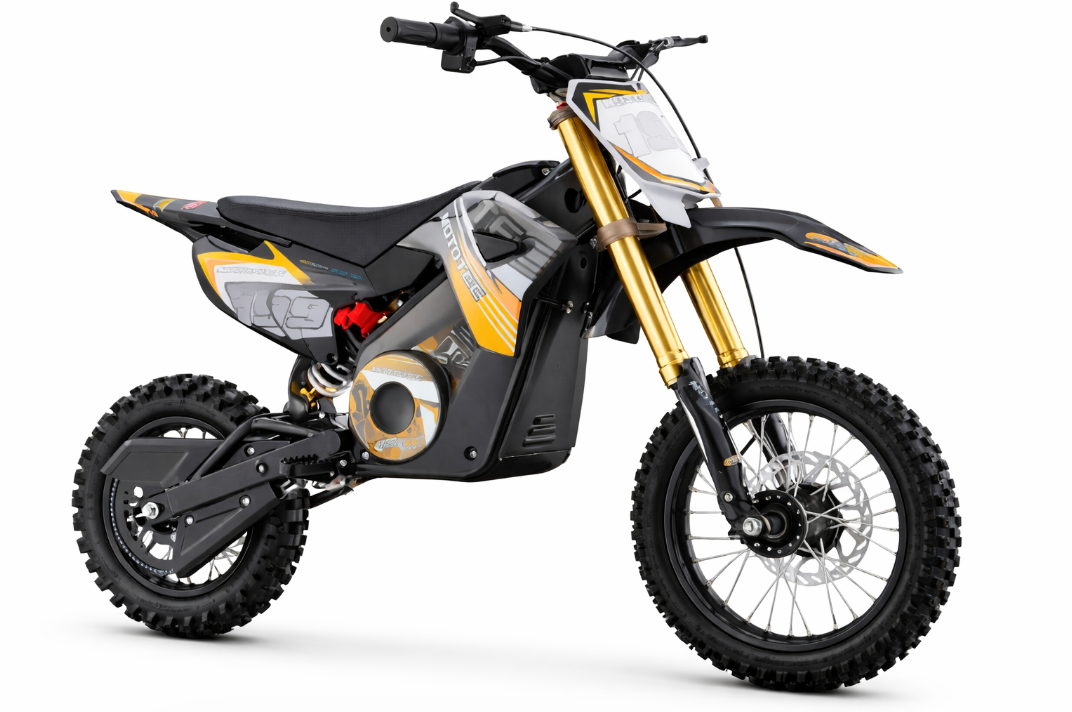
Gas may roar, but the electric 250 dirt bike whispers rebellion—instant torque, zero drama, and weekends spared from wrenching.
The smell of premix still hits the heart like a favorite song, yet the electric 250 dirt bike is tapping riders on the shoulder, saying, “Hey, big guy, times are changing.” Gas has ruled the roost for decades, loud and proud, but a quieter rebel is rolling into the pits with torque that snaps your neck and manners that won’t get you kicked off the trail.
I’ve watched lifelong gas diehards raise an eyebrow after one lap. No clutch drama. No rattling engine heat. Just twist and go, like skipping the foreplay and getting straight to the thrill.
Here’s the rub: fewer weekends wrenching, fewer side-eyes from neighbors, and power that shows up instantly, like a bar tab you forgot you paid.
So the real question isn’t about loyalty. It’s about lifestyle. Stick around—this is where the gas-vs-electric standoff gets personal.
Quick Notes on the electric 250 dirt bike
➔ Instant Torque & Acceleration: Electric motors deliver peak thrust from zero RPM, cutting clutch drama and boosting corner exits.
➔ Whisper-Quiet, Zero Emissions: Ride in noise‐sensitive zones with no fumes or complaints, ideal for trails and youth.
➔ Low Maintenance & Longevity: Fewer moving parts, no oil changes, regenerative braking and modular batteries reduce service time and costs.
➔ Flexible Range Management: Swap removable packs, tap into fast‐charge hubs or eco modes to balance power delivery and ride duration.
Gas Vs. Electric 250 Dirt Bike: Which Wins?
Picking between gas and electric gets riders talking fast. Power feel, upkeep, and trail vibe all matter. This breakdown keeps it real, comparing a classic gas 250 to the modern electric 250 dirt bike, so weekend warriors and race-day grinders can spot what fits their style.
Gas 250 Dirt Bike
Riders who grew up around race pits know the gas 250 vibe by heart. It’s loud, raw, and built to be pushed.
-
Core mechanics stay simple and tough
-
engine displacement around 250cc keeps power predictable
-
A generous fuel tank capacity stretches trail time
-
Straightforward refueling time measured in minutes
-
-
Ride and ownership realities
-
performance characteristics favor high revs and long straights
-
noise level stays high, which some tracks still love
-
Routine maintenance means oil, filters, and valves
-
-
Practical trade-offs
-
Proven frames help with long-term abuse
-
Meeting modern emission standards can raise costs
-
Parts are everywhere, including from brands like hezzo
-
This setup rewards riders who enjoy hands-on wrenching and don’t mind the sound and smell of fuel on their gloves.

Electric 250 Dirt Bike
The electric 250 dirt bike flips the script. No clutch noise. No fumes. Just instant pull. Many riders eye an electric 250 dirt bike for tight tracks, training days, or quiet zones.
-
Power delivery and feel
-
instant torque hits the moment you twist
-
Balanced weight distribution lowers rider fatigue
-
Smart regenerative braking adds control on descents
-
-
Ownership math
-
Lower operating cost over time
-
Reduced environmental impact keeps land access easier
-
Simple care thanks to fewer moving parts
-
-
Battery realities in plain numbers
| Use Style | battery capacity (kWh) | charging time (hrs) | Avg Ride Time |
|---|---|---|---|
| Trail cruise | 4.5 | 2.5 | 2.0 hrs |
| Track laps | 5.2 | 3.0 | 1.5 hrs |
| Training mode | 3.8 | 2.0 | 2.3 hrs |
An electric 250 dirt bike also shines with mode tuning and app control. Electric dirt bikes from hezzo aim at riders who want smooth power without the garage mess. For many, the electric 250 dirt bike just feels easier to live with, especially when space and noise rules get tight.
4 Benefits Of Electric 250 Dirt Bike
The electric 250 dirt bike is shaking up off-road culture with cleaner power and smoother control. From raw torque output to flexible riding modes, this electric dirt bike changes how trails feel.
Instant Acceleration and Torque Output
Riders notice the snap of an electric 250 dirt bike the second the throttle twists. The magic sits inside the electric motor and its instant torque output, skipping the lag of clutch and gear hunting.
-
Power Delivery System
-
Electric Motor
-
Delivers peak torque from 0 RPM
-
Removes clutch dependency
-
Keeps throttle response tight in corners
-
-
Controller Unit
-
Regulates current flow
-
Balances traction on loose dirt
-
Prevents wheel spin on rocky climbs
-
-
-
Performance on Terrain
-
Hill Climbs
- Immediate torque improves uphill traction
-
Corner Exits
- Faster roll-on acceleration
-
Technical Trails
- Smoother low-speed modulation
-
On a tight forest trail, a 250cc electric dirt bike feels quick but controlled. No bogging. No sudden jerk. Just clean pull that makes the ride feel almost unfair—in a good way.
Whisper-Quiet Riding with Zero Emissions
An electric 250 dirt bike doesn’t roar; it hums. That quiet battery-powered drivetrain opens up riding spots where gas bikes get side-eye.
-
Reduced noise pollution
-
Zero tailpipe emissions
-
Lower impact on local trails
Urban riders like the stealth factor. Parents appreciate how a 250 electric dirt bike keeps things calm for younger riders. Trail managers notice the difference too.
Compared with a gas-powered 250cc model:
1) Sound levels drop dramatically.
2) No fuel smell in the garage.
3) Cleaner air around campsites.
Brands like hezzo push this advantage hard, designing electric dirt bikes that meet stricter park guidelines while still feeling lively on open dirt.
Lower Maintenance and Component Lifespan Gains
Owning an electric 250 dirt bike means fewer greasy weekends. The simplified drivetrain and absence of oil-based systems cut routine service down to basics.
-
Engine-Related Savings
-
No oil changes
-
No spark plug swaps
-
No air-fuel tuning
-
-
Brake and Wear Benefits
-
Regenerative braking
-
Reduces brake pad wear
-
Extends rotor lifespan
-
-
Fewer vibration-related failures
-
Here’s a practical comparison:
| Component | Gas 250cc Bike (Avg. Service Interval) | Electric 250 Dirt Bike (Avg. Service Interval) | Cost Trend |
|---|---|---|---|
| Engine Oil | 10–15 hours | Not Required | Lower |
| Spark Plug | 20–30 hours | Not Required | Lower |
| Brake Pads | 15–25 hours | 25–40 hours (with regen) | Lower |
| Clutch Assembly | 40–60 hours | Not Required | Lower |
With fewer moving parts and better component lifespan, riders spend more time on trails and less time wrenching. That’s a win.
Adjustable Riding Modes for Every Terrain
Not every trail plays nice. That’s where adjustable riding modes on an electric 250 dirt bike step in.
Some days you want chill control; other days you want full send.
• Eco mode limits top speed and stretches battery efficiency.
• Standard mode balances torque and traction.
• Sport mode unlocks max motor power and sharper throttle sensitivity.
Switching modes is simple:
-
Select terrain type—mud, sand, rock.
-
Adjust power curve via onboard display.
-
Fine-tune speed limiter for skill level.
A 250cc electric dirt bike with smart tuning feels adaptable, almost like it reads the ground. hezzo integrates terrain-focused mapping so riders can dial in control without digging through complicated menus.
In real-world riding, that flexibility keeps traction steady, improves confidence, and helps every electric dirt bike rider—from beginner to seasoned shredder—stay in command.
How Far Can An Electric 250 Dirt Bike Go?
Range is the big question every rider asks before twisting the throttle. An electric 250 dirt bike sounds fast and clean, but how far will it actually roll on a single charge? From rated specs to real trail rides, here’s what really shapes distance on an electric dirt bike 250 class machine.
Real-World Range per Charge vs. Rated Battery Capacity
When comparing an electric 250 dirt bike, brands usually highlight rated battery capacity. That number looks solid on paper, yet real-world range depends on how the battery behaves under load.
-
Key battery factors
-
Usable capacity vs. advertised kWh
-
Actual battery performance at high discharge
-
Average energy consumption per mile
-
Total charge duration before cutoff
-
-
Manufacturer rating: controlled test loop, steady throttle.
-
Trail reality: braking, bursts of torque, uneven terrain.
-
Result: distance often drops 10–25%.
Typical comparison for a 250 electric dirt bike:
| Rated Capacity (kWh) | Claimed Range (mi) | Real-World Range (mi) | Avg Energy Consumption (Wh/mi) |
|---|---|---|---|
| 3.5 | 55 | 42–48 | 70–83 |
| 4.0 | 65 | 50–58 | 69–80 |
| 4.5 | 75 | 58–66 | 68–77 |
| 5.0 | 85 | 65–74 | 67–76 |
Brands like hezzo tune controllers to protect battery performance, helping riders get closer to that rated figure without killing long-term durability.

Impact of Riding Modes and Throttle Response on Distance
Your wrist controls the story.
Within most electric dirt bike 250 models:
-
Riding modes
-
Eco
-
Softer throttle response
-
Lower peak power delivery
-
Improved energy efficiency
-
-
Standard
-
Balanced acceleration
-
Moderate distance traveled
-
-
Sport
-
Instant torque hit
-
Higher draw, reduced range optimization
-
-
On an electric 250 dirt bike, hard launches feel awesome. Short bursts stack up, though. Smooth roll-on throttle stretches miles. Quick snaps drain cells fast. It’s simple physics and a bit of self-control.
With smart mode calibration, hezzo keeps torque fun without wrecking range.
Terrain, Load and Speed Factors Affecting Range
Out on the trail, conditions rule everything.
-
Terrain type
-
Hardpack: low rolling resistance, lower energy expenditure
-
Sand: high drag, constant correction
-
Mud: added friction and wheel slip
-
-
Rider variables
-
Higher rider weight
-
Extra cargo load
-
Tire pressure setup
-
-
Motion factors
-
Higher average speed
-
Steep gradient climbs
-
Sustained top-end runs
-
A 250 electric dirt bike cruising at 25 mph on smooth ground can stretch range nicely. Push 45 mph uphill in loose sand, and the battery drops fast. That’s true for nearly any electric 250 dirt bike on the market.
In short, the motor is efficient. The environment isn’t. Ride smart, pick your mode wisely, and your electric dirt bike 250 will carry you farther than you might expect.
Range Anxiety? Battery Swap Options Explained
Range worry kills the vibe fast. For riders pushing an electric 250 dirt bike past casual laps, smart battery choices matter. This breakdown keeps it real, mixing trail talk with practical options riders actually use today.
Portable Removable Battery Systems
Removable setups turn downtime into a quick pit stop, especially on an electric 250 dirt bike used for long trail loops.
-
Core idea
- A compact battery pack built as a swappable battery, sized for fast handling and clean fits.
-
What riders notice
-
Charging time drops when a fresh pack slides in.
-
Battery capacity stays consistent across rides.
-
Extra weight stays low and centered, helping ergonomics.
-
-
Real-world flow
-
Ride hard.
-
Swap fast.
-
Ride again.
-
Brands like hezzo design these systems so one rider can carry range without hauling a generator. For an electric dirt bike 250 class machine, that balance keeps trails fun, not stressful.
On-Trail Charging Stations and Fast-Charge Hubs
Charging on the trail is no longer a fantasy for an electric 250 dirt bike crowd pushing longer sessions.
-
Infrastructure layers
-
Trailhead hubs with solid charging infrastructure
-
Multiple charging points
-
Clear accessibility even with muddy boots
-
-
High-output units focused on charging speed and shorter charging duration
-
-
Coverage reality
- Growing network coverage near riding parks and event zones.
| Hub Type | Charging Speed (kW) | Avg Charging Duration (min) |
|---|---|---|
| Trailhead AC | 6 | 120 |
| Mobile DC | 25 | 45 |
| Fixed Fast Hub | 60 | 25 |
| Event-Grade DC | 90 | 18 |
hezzo-backed demo hubs show how an electric dirt bike 250 can stay rolling all day without hauling spare fuel or cords.
Extended Range Packs and Swap-and-Go Services
This is where convenience takes over for serious riders and race crews running an electric 250 dirt bike.
-
Hardware side
-
Range extension through higher-density packs
-
Stable battery life without sacrificing performance
-
-
Service side
-
Organized battery swapping tents
-
Clear service availability schedules
-
Smooth handoffs built for operational efficiency
-
-
-
Rider payoff
-
Less waiting.
-
More laps.
-
Pure convenience.
-
Swap-and-go programs now support electric 250 dirt bike events, casual trail days, and even rental fleets. hezzo integrates these services so an e dirt bike or electric dirt bike 250 stays ready, charged, and fun—no range panic, just throttle time.
FAQs about Electric 250 Dirt Bike
What makes an electric 250 dirt bike different from a gas model?
An electric dirt bike feels alive the moment you twist the throttle. Instead of waiting for revs to build, torque output hits instantly, pushing you out of corners with sharp acceleration.
-
Performance feel
-
Instant motor power and smooth power delivery
-
Adjustable riding modes to tune throttle response
-
Strong top speed without gear shifting
-
-
Ride experience
-
Quiet operation on trails
-
No fuel smell, no clutch fatigue
-
Stable frame material with balanced suspension travel
-
Hydraulic disc brakes and regenerative braking work together, giving confident braking performance while feeding energy back into the battery-powered dirt bike.
How far can an electric 250 dirt bike go on a single charge?
Range per charge depends on how you ride and where you ride. A calm forest cruise stretches battery capacity; steep climbs and sand reduce it fast.
Key factors:
-
Battery voltage and total battery capacity (Wh/Ah)
-
Rider weight limit and cargo load
-
Aggressive acceleration and sustained top speed
-
Terrain demanding high torque output
Many off-road electric motorcycle models offer a removable battery, so riders can swap packs during long trail days. Charging time varies by charger type, and healthy battery life cycles depend on proper storage and water resistance rating.

Are maintenance and ownership costs lower for an electric 250 dirt bike?
Yes—and riders feel it over time.
Compared with a gas bike:
-
✦ No oil changes
-
✦ Fewer moving engine parts
-
✦ Simpler drivetrain, easier maintenance
An electric trail bike or e-motocross bike focuses on build quality and component lifespan. Front suspension, rear suspension, and hydraulic disc brakes still need routine checks, yet overall upkeep is lighter.
Add in features like traction control, a speed limiter for youth electric dirt bike riders, a kill switch, clear display features, and reliable warranty coverage—ownership becomes less about repairs and more about riding.
Aktie:
Buying Your First Electric 450 Dirt Bike: What You Need to Know Now
How to Choose the Perfect Electric Dirt Bike 500 for Your Needs