
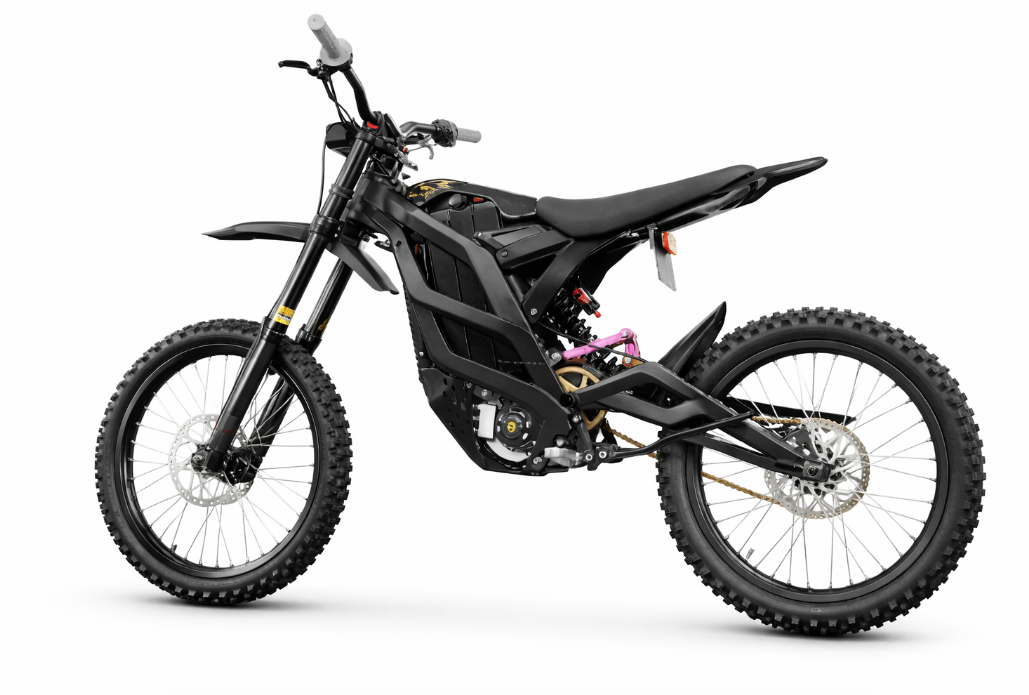
Gas guzzlers drain wallets; electric dirt bike cost flips the script—plug, ride, and laugh as your savings smoke the old-school chaos.
electric dirt bike cost is lower over time, and that’s the point most riders miss. Gas bikes nickel-and-dime you with fuel, oil, and constant wrench time.
Upfront prices can sting, but weekend warriors feel savings fast: plug in, ride hard, skip the mess. If wallet hates surprise expenses, this shift makes sense.
Key Points on Electric Dirt Bike Cost
→ Operating costs: electric bikes save on fuel, oil, and service time compared to gas models.
→ Battery expenses: capacity, life cycles, and charging efficiency impact long-term cost.
→ Maintenance requirements: torque delivery and motor efficiency reduce drivetrain wear.
→ Warranty & support: comprehensive coverage cuts surprise repair fees.
Question-Based: Why Compare Electric Dirt Bike Cost To Gas?
When riders talk about electric dirt bike cost, the convo usually sticks to the sticker price. That’s only half the story. Breaking down electric, dirt, bike, and cost shows how fuel, maintenance, power, and long-term repairs stack up. If you’re weighing electric dirt bike cost against gas bike expenses, this comparison clears the air.
What total operating costs tell us about maintenance requirements
Looking at total operating numbers shifts the focus from upfront electric dirt bike cost to real-world maintenance and service needs.
-
Core ownership layers
-
Purchase price
-
Ongoing repairs
-
Scheduled service visits
-
Replacement parts and labor
-
-
For electric models
-
Fewer moving components
-
No oil changes
-
No spark plugs
-
Reduced gearbox wear
-
-
Strong reliability from sealed motor systems
-
-
For gas bikes
-
Frequent fluid changes
-
Higher labor hours
-
Shorter engine lifespan under hard riding
-
| Cost Category | Electric Bike (Annual) | Gas Bike (Annual) | Notes |
|---|---|---|---|
| Routine service | $150 | $400 | Oil & filters raise gas totals |
| Major repairs | $200 | $600 | Engine rebuild risk |
| Parts replacement | $250 | $500 | Clutch & exhaust wear |
| Estimated 5-yr total | $3,000 | $6,500 | Includes average labor |
That table flips the electric dirt bike cost debate. A brand like hezzo keeps components simple, cutting surprise repairs. Lower mechanical strain usually means better lifespan and fewer shop visits.
How fuel savings relate to battery capacity and charging time
Fuel is where electric dirt bike cost really shifts gears.
-
Energy comparison
-
Gas: rising fuel prices + higher consumption
-
Electric: stable electricity rates
-
-
Battery factors
-
Battery capacity (kWh) shapes riding range
-
2 kWh: short trail loops
-
4–6 kWh: longer off-road days
-
-
Faster charging lowers downtime
-
-
Larger capacity improves distance per ride.
-
Smart charging habits extend battery life.
-
Efficient energy management boosts overall efficiency.
With hezzo models, optimized battery systems and tight energy consumption figures help riders control electric dirt bike cost over years, not just months. Charging at home also reduces reliance on fuel infrastructure, trimming long-term dirt bike running costs.
Why torque delivery and power output affect long-term expenses
Power feels awesome. It also affects wear and wallet impact.
-
Torque behavior
-
Instant torque in electric bikes
-
Smooth throttle mapping
-
Less clutch strain
-
-
Gas engines
-
Peak power at high RPM
-
More drivetrain shock
-
-
-
Drivetrain impact
-
Electric
-
Fewer moving components
-
Lower drivetrain friction
-
-
Gas
-
Chain, clutch, gearbox stress
-
Higher performance heat buildup
-
-
-
Smart torque control = better longevity
-
Balanced motor output = reduced tire wear
High-output machines can spike electric dirt bike cost if tires and chains burn out fast. Smooth motor tuning, like what hezzo focuses on, keeps performance strong without crushing components. Over time, that balance keeps electric dirt bike cost predictable—and often lower than gas-powered dirt bike ownership.
Bulleted: 4 Factors Driving Ownership Expenses
Buying a dirt bike feels exciting, but the real story sits in the long-term numbers. The true electric dirt bike cost goes far beyond the sticker price. Let’s break down what actually drives electric, dirt, bike, and cost over time.
Battery life cycles and replacement costs
The biggest slice of electric dirt bike cost usually comes from the Battery system. Its Lifespan, Cycles, and Degradation rate quietly shape long-term ownership math.
-
Core battery variables
-
Capacity (kWh)
-
Rated Cycles
-
Annual Degradation %
-
Replacement Cost
-
Expected Longevity
-
| Battery Capacity (kWh) | Rated Cycles | Avg. Degradation/Year | Est. Replacement ($) | Expected Years |
|---|---|---|---|---|
| 2.0 | 800 | 6% | 900 | 3–4 |
| 2.5 | 1000 | 5% | 1,200 | 4–5 |
| 3.0 | 1200 | 4% | 1,600 | 5–6 |
| 3.5 | 1500 | 3% | 2,100 | 6–7 |
| 4.0 | 1800 | 3% | 2,600 | 7–8 |
-
Ownership impact hierarchy
-
A. Usage style
-
a) Hard trail riding increases heat
-
b) Fast charging speeds up Degradation
-
-
B. Storage habits
-
a) Full charge storage shortens Lifespan
-
b) Moderate charge extends Longevity
-
-
For riders comparing electric dirt bike cost, a removable high-cycle pack, like those used in hezzo models, often reduces long-term battery replacement cost per mile.

Fuel and electricity price fluctuations
Energy is where electric vs gas dirt bike cost splits wide open.
• Fuel and Gasoline swing with global markets.
• Electricity rates shift by state and time-of-use.
• Charging efficiency changes real-world Consumption.
Here’s the simple math riders use:
-
Gas dirt bike:
-
1 gallon ≈ 25–40 miles
-
Fuel at $4/gal = $0.10–$0.16 per mile
-
-
Electric dirt bike:
-
3 kWh per full ride
-
$0.15/kWh = $0.45 per charge
-
≈ $0.01–$0.02 per mile
-
Short version? The electric dirt bike cost for daily riding often lands far below gasoline-powered dirt bike cost, especially where electricity is stable. Over three years, that gap gets real.
hezzo riders often note that efficient motor tuning lowers energy consumption, tightening control over electric dirt bike cost when power prices fluctuate.
Suspension travel & chassis durability upkeep
Hard riding hits Suspension and Chassis parts fast. That’s just reality.
-
Main wear zones
-
1. Front forks
-
a) Seal wear
-
b) Oil breakdown
-
-
2. Rear shock
-
a) Spring fatigue
-
b) Damping loss
-
-
3. Frame stress points
-
a) Weld joints
-
b) Mount brackets
-
-
Long-travel setups boost comfort and off-road confidence. Still, greater movement means higher Maintenance frequency. Aggressive tires increase Wear on Components, especially bearings and linkage hardware.
Electric dirt bikes reduce engine vibration, which helps Durability, yet the heavier Battery pack can stress the Chassis during jumps. That balance shapes dirt bike cost over years of trail abuse.
Warranty coverage versus service network fees
Warranty fine print quietly shifts electric dirt bike cost.
-
Key factors
-
Warranty duration (12–36 months typical)
-
Coverage limits on Battery and motor
-
Dealer Service hourly Labor rate
-
Replacement Parts availability
-
Regional Network access
-
Short coverage pushes risk back to the rider. Limited Protection on high-value Repairs can spike unexpected bills. On the flip side, strong manufacturer backing cuts long-term dirt bike ownership cost.
Brands like hezzo promote extended battery coverage and wider service networks, reducing electric dirt bike cost anxiety for new buyers. When you stack warranty value against service fees, the smart buy often isn’t the cheapest bike upfront—it’s the one that protects your wallet years down the trail.
Comparative: Electric Vs. Gas—Which Costs Less?
When riders compare electric dirt bike cost with gas models, the talk usually gets heated. Some care about the Battery, others swear by the Engine. In real life, it comes down to money—upfront price, daily running cost, and long-term repairs. Let’s break down electric dirt bike cost vs gas bike cost in plain terms.
Electric Dirt Bike
The electric dirt bike cost conversation starts with three core parts: Motor, Battery, and Charging setup. Each one shapes the real electric dirt bike cost over time.
-
Upfront electric dirt bike cost
-
Ongoing electric bike cost
-
Long-term replacement cost
-
Purchase layer
1.1 Bike frame + Motor system
1.2 High-capacity Battery pack
1.3 Smart controller with Regenerative braking
-
Operation layer
2.1 Home Charging rate (kWh price)
2.2 Average Range per full charge
2.3 Electricity vs fuel comparison
-
Maintenance layer
3.1 No oil changes
3.2 Fewer moving parts than an Engine
3.3 Quiet ride thanks to near Silence
Here’s a cost snapshot riders often ask for:
| Item | Electric Dirt Bike | Gas-Powered Bike | 3-Year Estimate |
|---|---|---|---|
| Energy/Fuel per 1,000 miles | $45 electricity | $180 fuel | Electric saves ~$405 |
| Routine Maintenance | $120 | $450 | Electric saves ~$990 |
| Major Component | Battery $900 (5 yrs) | Engine rebuild $800 | Comparable |
| Total 3-Year Avg | ~$1,065 | ~$2,230 | Electric lower |
The electric dirt bike cost looks higher at checkout, mainly due to the Battery. But over three years, lower charging expenses and almost zero oil work change the math. Brands like hezzo focus on balancing Torque, usable Range, and manageable electric dirt bike cost so riders don’t feel stuck between performance and budget.
In short:
• Instant Torque
• Minimal noise
• Predictable electric dirt bike cost
That’s why many riders see electric dirt bike cost as an investment, not just a price tag.
Gas-Powered Bike
Gas bike cost feels simpler at first. Pay for the bike, fill the Fuel tank, twist the throttle. Done.
But the real numbers stack up.
-
Fuel every ride through regular Refueling
-
Oil changes every few weeks
-
Air filter and Exhaust system checks
The Engine delivers steady Horsepower, and that classic Sound still wins hearts. Range is rarely a problem since refueling takes minutes. For long trail days, that’s a big plus.
Still, gas bike cost includes:
-
Fuel price swings
-
Frequent Oil changes
-
More wear parts
Over time, maintenance grows quietly. A clogged filter here. A worn piston there. The gas bike cost becomes less predictable than many expect.
Some riders compare electric dirt bike cost and gas bike cost side by side and realize fuel spending alone can pass the electric charging bill fast. That’s where companies like hezzo position their models—lower daily electric dirt bike cost, solid Motor output, and enough Range to cover weekend runs without stress.
So what costs less?
If you ride often, electric dirt bike cost usually wins long term.
If you ride rarely, gas bike cost may feel easier upfront.
It’s not hype. It’s math mixed with riding habits.
Scenario-Based: Weekend Trail Rides On A Budget
Weekend trail riders usually care about two things: fun and the real electric dirt bike cost. From battery life to upgrades, every dollar matters. If you break down electric, dirt, bike, and cost separately, you’ll see how smart choices shrink your electric dirt bike cost without killing performance.
Maximizing range per charge for extended trail riding
Keeping your electric dirt bike cost low starts with squeezing more miles from your battery capacity.
“Electric two- and three-wheelers are becoming increasingly attractive due to lower operating and energy costs,” notes the IEA Global EV Outlook 2025, highlighting cost efficiency as a key growth driver.
-
Energy Planning
-
Battery capacity (Wh) determines baseline range
-
Motor efficiency affects watt usage per mile
-
Smart power management reduces drain on steep climbs
-
-
Riding Adjustments
-
Smooth riding style improves energy efficiency
-
Light throttle over rough terrain impact zones
-
Use regenerative braking on downhill trails
-
-
Real-World Range Comparison
| Mode | Avg Speed (mph) | Battery Use (Wh/mile) | Est. Range (48V 20Ah) |
|---|---|---|---|
| Eco | 15 | 18 | 53 miles |
| Trail | 22 | 25 | 38 miles |
| Boost | 30 | 34 | 28 miles |
| Sand | 18 | 29 | 33 miles |
| Hill | 16 | 31 | 31 miles |
Lowering charging frequency directly lowers long-term electric dirt bike cost. That’s real dirt bike cost control.

Balancing power output and weight capacity for off-road capability
Power sounds cool. Too much of it can spike your electric dirt bike cost.
-
Core Performance Match
-
Motor power and peak output must align with rider weight
-
Strong torque delivery supports hill climbs
-
Stay within payload limit to avoid strain
-
-
Frame & Structure
-
Lightweight frame material improves handling dynamics
-
Smart chassis design keeps balance tight
-
Adequate suspension travel absorbs rock hits
-
-
Budget Logic
-
Bigger motor = higher electric dirt bike cost
-
Overbuilt frame = heavier electric dirt bike
-
Balanced setup = lower long-term electric dirt bike cost
-
Brands like hezzo focus on matching output and structure so riders don’t overspend on power they rarely use.
Choosing affordable upgrades: tires, brake type, and adjustable suspension
Upgrades can wreck your budget fast. Keep electric dirt bike cost in check by focusing on parts that matter.
• Tires:
-
Aggressive tire tread for mud
-
Medium grip compound for mixed terrain
1) Brakes:
-
Dual-piston brake calipers
-
Stainless rotor material for heat control
★ Suspension tweaks:
Adjust suspension damping, fine-tune fork adjustability, and match rear shock absorber preload to your weight.
Small changes. Big feel difference. Lower dirt bike cost over time because parts last longer.
A smart rider tracks electric dirt bike cost before and after upgrades. That’s how electric, dirt, bike, and cost stay in balance. With practical setups from hezzo, weekend trails stay fun without blowing the electric dirt bike cost sky-high.
FAQs about Electric Dirt Bike Cost
How does performance impact electric dirt bike cost over time?
Electric dirt bike cost rises with stronger performance characteristics, yet the ride feel often justifies it.
-
Higher motor power and sharp torque delivery improve acceleration and climbing ability, but increase component stress.
-
Greater top speed and extended range per charge require larger battery capacity, adding upfront cost.
-
Advanced suspension travel, premium tire type, and lightweight frame material boost off-road capability while raising maintenance needs.
Riders who push dirt track performance or mountain biking trails may replace brake type components and tires more often, shaping long-term ownership costs.
How do battery systems shape long-term electric dirt bike cost?
Battery health quietly defines what owners spend years later.
-
More battery life cycles delay expensive replacements.
-
A smart battery management system protects battery voltage stability and charging consistency.
-
Shorter charging time improves daily commuting suitability.
-
A removable battery adds convenience but may increase purchase price.
A well-balanced system keeps motor efficiency steady, reduces strain on peak power delivery, and protects continuous power output during long trail riding sessions.
How do support and build quality reduce unexpected expenses?
Durability eases anxiety. Weak support magnifies it.
| Factor | Cost Impact | Rider Experience |
|---|---|---|
| Warranty coverage | Shields battery and motor type repairs | Peace of mind during hard off-road use |
| Service network | Faster fixes, lower downtime | More ride time, less waiting |
| Parts availability | Controls repair pricing | Stable long-term budget |
| Technical support | Solves display type or connectivity options faults | Confidence in daily urban riding |
Strong support, solid weight capacity, and reliable throttle control keep electric dirt bike cost predictable instead of stressful.
Aktie:
Electric Dirt Bike Companies Compared: Which Brand Is Best?
5 Best Electric Dirt Bike Models: The Ultimate E Bike Guide