
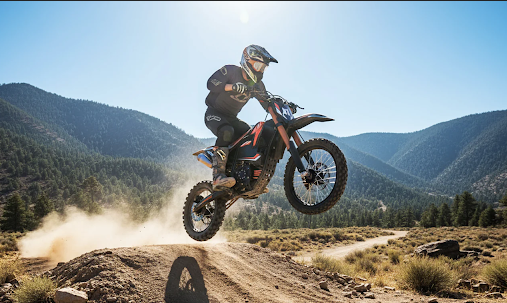
When fleet chaos hits the dirt, an electric enduro motorcycle brings calm torque and profit—quietly rewriting off-road business math.
Running a trail fleet feels like herding cats on dirt. An electric enduro motorcycle steps in like a calm ringleader—steady torque, quiet manners, fewer shop headaches—while fuel prices and noise rules keep gas bikes on edge.
Fleet math hates surprises.
For operators betting real money, this matchup isn’t about bragging rights; it’s uptime, access, and margins. Stick around as electrons square off with octane to see who really pays the bills on the trail.
3 Key Performance Metrics for Trail Riders
Trail riders chasing real dirt performance on an electric enduro motorcycle care about numbers that actually change the ride. From steep climbs to loose gravel, every electric enduro motorcycle reacts to power, balance, and terrain differently. Here’s what truly shapes your off-road experience.
Range per Charge: How Far You Can Go on Single Battery Capacity
When riding an electric enduro motorcycle, usable distance depends on more than a big battery sticker.
-
Core Power Factors
-
Battery capacity
-
Higher kWh extends riding distance, yet increases weight.
-
Larger packs may lengthen charging time.
-
-
Energy consumption
-
Aggressive throttle raises energy consumption fast.
-
Smooth throttle improves overall endurance.
-
-
Recharge availability
- Trail networks with pit charging reduce range anxiety.
-
-
External Riding Conditions
-
Terrain load
- Sand and mud spike draw from the electric motor.
-
Temperature shifts
- Cold weather reduces effective output.
-
Tire setup
- Knobby tires trade efficiency for grip.
-
For riders choosing an electric enduro motorcycle like models from hezzobike, balancing battery capacity and real-world riding distance keeps weekend plans stress-free.
Suspension Travel and Terrain Adaptability
Suspension defines how confidently an electric dirt bike handles chaos.
-
Structural Geometry
-
Suspension travel
- Longer travel improves obstacle clearance over rocks.
-
Wheelbase
- Shorter setups increase tight-trail handling.
-
Ground clearance
- Critical for logs and deep ruts.
-
-
Traction Control Elements
-
Tire grip
- Impacts braking feel on loose soil.
-
Trail feedback
- Wet trail conditions demand flexible damping.
-
On any electric enduro motorcycle, dialed-in suspension travel keeps tires planted and rider confidence high.
Acceleration Dynamics and Weight Distribution
Power delivery shapes how an electric off-road motorcycle feels under pressure.
-
Motor Output Characteristics
-
Torque delivery
- Instant pull helps steep climbs.
-
Power output
- Smooth curves improve traction control.
-
Throttle response
- Sharp mapping boosts snap out of corners.
-
-
Chassis Balance
-
Weight distribution
- Even spread enhances maneuverability.
-
Center of gravity
- Lower placement stabilizes descents.
-
A well-balanced electric enduro motorcycle keeps climbs steady and braking predictable. Brands like hezzobike tune torque delivery and weight distribution so the bike feels planted, not twitchy. Ride hard, stay balanced, and let the motor work with you—not against you.
Why Electric Enduro Motorcycle Torque Matters
Electric power has changed off-road riding in a big way. An electric enduro motorcycle isn’t just quiet and clean; it hits hard with torque the second you twist the throttle. That instant pull shapes climbing, grip, and overall control on rough ground.
Climbing Performance Driven by Motor Power
When an electric enduro motorcycle attacks a steep hill ascent, the magic starts with motor power and how it translates into instantaneous torque. The connection looks like this:
-
Motor Power and Hill Ascent
-
High motor power feeds strong power delivery at low RPM.
-
That steady output boosts climbing ability on loose dirt and rocky inclines.
-
No clutch slipping means smoother off-road capability in tight uphill lines.
-
-
Instant Torque and Control
-
Immediate instantaneous torque keeps momentum alive halfway up a slope.
-
Controlled power delivery prevents stalling in technical hill ascent zones.
-
Balanced throttle input supports consistent climbing ability.
-
-
Real-World Trail Impact
-
On an electric enduro motorcycle, torque arrives fast but stays predictable.
-
Riders on a modern electric dirt bike notice fewer rollbacks on sharp grades.
-
Brands like hezzobike tune motor power to match serious off-road capability.
-
The result is simple: an electric enduro motorcycle climbs with confidence, not drama.
Traction Control Synergy with High Torque Output
High torque output can break traction fast, so smart traction control becomes essential on an electric enduro motorcycle.
-
Torque Output and Wheel Spin
-
Strong torque output increases risk of wheel spin on loose soil.
-
Advanced power management trims force in milliseconds.
-
Reduced wheel spin means better grip enhancement.
-
-
Surface Conditions and Grip
-
On wet rock and sand, surface conditions change every second.
-
Built-in traction control reads slip and adjusts torque output.
-
Improved grip enhancement keeps the electric enduro motorcycle tracking straight.
-
-
System Coordination
-
Sensors monitor rotation speed.
-
The controller refines power management.
-
The rider feels stable drive instead of sudden slide.
-
On a high-torque electric trail motorcycle, that harmony between software and motor keeps things planted and safe.
Rider Modes That Optimize Torque Delivery
An electric enduro motorcycle often includes selectable rider modes that shape torque delivery to match terrain and mood.
-
Mode Structure
-
Eco:
-
Softer throttle response
-
Calmer torque delivery
-
Ideal for long-range terrain adaptation
-
-
Trail:
-
Balanced performance tuning
-
Controlled throttle response
-
Suits mixed riding style
-
-
Sport:
-
Aggressive torque delivery
-
Sharp throttle response
-
Built for bold riding style
-
-
-
Performance Tuning in Action
-
Adjusted performance tuning reduces fatigue on long rides.
-
Smart terrain adaptation protects battery life.
-
Tailored torque delivery supports precise line choice.
-
A dialed-in electric enduro motorcycle feels personal. With the right setup—like those offered by hezzobike—the bike responds to your riding style, not the other way around.
Range Comparison: Electric Enduro Motorcycle vs. Gas
Electric trails are getting crowded, and riders keep asking the same thing: how far can it really go? An electric enduro motorcycle promises quiet torque and clean fun, while gas bikes brag about quick refills. Range isn’t just miles on paper; it’s about battery capacity, fuel tank size, terrain, and how hard you twist the throttle.
Electric Enduro Motorcycle
An electric enduro motorcycle lives and dies by its battery capacity, but the real-world riding distance depends on more than one spec sheet number.
-
Core Range Drivers
-
Energy System
-
Battery capacity (kWh) sets the ceiling.
-
Charging limits affect usable output.
-
-
Performance Setup
-
Power output mapping changes draw rate.
-
Rider mode selection impacts efficiency.
-
-
Bike Build
-
Overall weight affects climb performance.
-
Tire choice and terrain resistance matter.
-
-
-
On-Trail Reality
-
Technical climbs drain faster due to high power output spikes.
-
Flowing single track allows partial regenerative braking, feeding small gains back into the pack.
-
Sand and mud shorten expected riding distance quickly.
-
-
Practical Ownership
-
Charging time varies by outlet and charger type.
-
Home charging favors planners; remote riding requires backup packs or transport strategy.
-
Brands like hezzobike tune motor control to balance torque and efficiency, so an electric enduro motorcycle feels lively without burning through range too fast. A well-set electric dirt bike can cover a solid loop, but you plan the day around watts, not gallons.
Gas Bikes
Gas machines stretch range differently, leaning on liquid fuel and fast stops.
-
Fuel-Based Range Factors
-
Tank & Burn Rate
-
Fuel tank size directly extends mileage.
-
Fuel efficiency shifts with jetting and throttle habits.
-
-
Engine Character
-
Larger engine displacement often increases consumption.
-
Strong low-end torque can reduce high-rev waste.
-
-
-
Refueling Advantage
-
Stop at a station or trail can.
-
Refill in minutes—minimal refueling time.
-
Ride again without cooling delays.
-
-
Ownership Trade-Offs
-
More moving parts mean higher maintenance cycles.
-
Carrying spare fuel adds logistics weight.
-
An electric enduro motorcycle from hezzobike skips fuel transport headaches, while gas bikes win on instant refills. Electric motorcycle range feels calculated and steady; gas range feels open-ended but tied to supply. In the end, it’s planning versus pumping—and how far you really want to roam.

Maintenance Costs: Gas Bikes vs. Electric Enduros
Keeping a dirt machine running isn’t just about throttle time. Real talk—maintenance costs shape the long-term vibe of owning a gas bike or an electric enduro motorcycle. Let’s break down where the money actually goes.
Gas Bikes
When maintaining a gas-powered enduro, expenses stack up in layers:
-
Routine Fluid Service
-
Engine care
-
Regular oil changes
-
Oil filter swaps
-
-
Fuel system
-
Injector cleaning
-
Air filter replacement
-
-
-
Mechanical Wear Components
-
Combustion-related parts
-
Spark plugs
-
Clutch plates
-
-
Heat-stressed systems
-
Exhaust valves
-
Cooling assemblies
-
-
-
Compliance and Dealer Support
-
Emissions checks tied to environmental regulations
-
Certified servicing through established dealer networks
-
Labor fees
-
OEM part pricing
-
-
-
Long-Term Engine Work
-
Top-end rebuilds
-
Timing adjustments
-
Gasket replacements
-
A traditional dirt machine runs strong, no doubt. Still, internal combustion means friction, heat, and moving parts everywhere. Over time, that adds up in workshop visits and parts sourcing. Riders who clock serious trail hours on a gas enduro motorcycle know the drill—maintenance is part of the lifestyle.
Electric Enduro Motorcycles
An electric enduro motorcycle flips that script by simplifying the core system:
-
Reduced Mechanical Complexity
-
No combustion engine
-
No oil changes
-
No spark plugs
-
-
Fewer rotating components
-
-
Battery and Power System Care
-
Battery management system (BMS) monitoring
-
Charging cycle optimization
-
Software-based diagnostics
-
-
Digital Maintenance Ecosystem
-
Firmware updates
-
Controller calibration
-
App-linked performance tracking
-
-
Warranty and Brand Support
-
Extended battery coverage
-
Factory-backed service plans
-
Direct technical assistance
-
Brands like hezzobike design each electric enduro motorcycle with minimal wear points, making trail ownership feel lighter on the wallet over time. Instead of wrench-heavy weekends, riders focus on battery health and software updates.
For many, switching to an electric dirt bike or full electric enduro motorcycle means trading grease-stained hands for plug-and-ride simplicity. Fewer breakdown risks. Fewer surprise costs. Just charge up and hit the trail.
Off-Grid Riding: The Case for Electric Enduros
Riding an electric enduro motorcycle off-grid feels like freedom with a twist of smart planning. No gas cans, no fumes—just torque and terrain. Still, when you take an electric enduro bike deep into the wild, details like charging, battery range, and frame design matter big time.
Charging Port Versatility: Adapt to Wilderness
An electric enduro motorcycle lives or dies by its charging flexibility. Out in the wild, rigid plugs just don’t cut it.
-
Charging standards
-
AC Level 1
-
AC Level 2
-
DC fast interfaces
-
-
Adapter compatibility
-
Swappable heads
-
Weather-sealed extensions
-
-
Power source options
-
Portable generators
-
Solar arrays
-
Battery stations
-
-
Core Hardware
-
Universal connectors reduce guesswork at camp.
-
Smart inlets support mixed voltage input.
-
-
Field Integration
-
Renewable energy integration lets riders pair foldable panels with compact inverters.
-
Off-grid charging solutions often include dual-input controllers for solar + generator combos.
-
-
Protection Layer
-
Dust caps
-
Water-resistant seals
-
A 2025 IEA update noted that portable renewable systems are increasingly paired with light electric vehicles for remote mobility use.
“Decentralized renewable charging is expanding beyond urban pilots into recreational and utility mobility,” the International Energy Agency reported in its 2025 Global EV Outlook.
For the electric enduro rider, that means fewer limits and more trail time.
Battery Capacity and Charge Time for Remote Rides
Battery talk isn’t boring when you’re 40 miles from camp. An electric enduro motorcycle depends on smart energy planning.
-
Cell Chemistry & Energy density
- Higher Wh/kg boosts range without bulk.
-
Output & Control
-
Stable power output keeps climbs smooth.
-
A tuned battery management system balances heat and voltage.
-
-
Time Factors
-
Recharge duration varies by input source.
-
Fast charging technology trims downtime but may raise thermal load.
-
-
Trail Strategy
-
Plan loops around charging windows.
-
Carry compact range packs for range extension.
-
High-altitude cold impacts endurance performance, so pre-warming cycles matter. Quick bursts feel fun, but steady throttle preserves miles.
Lightweight Frame Material and Storage Requirements
Weight changes everything on an electric dirt bike.
-
Frame construction
-
Aluminum alloy
-
Chromoly steel
-
Composite blends
-
-
Material strength
-
Torsional rigidity
-
Impact tolerance
-
-
Structural Core
-
Optimized weight distribution keeps handling sharp.
-
Tight component integration lowers center of gravity.
-
-
Utility Design
-
Smart storage compartments fit tools and cables.
-
Rated payload capacity supports racks without frame stress.
-
-
Rider Fit
- Balanced ergonomic design reduces fatigue on long gravel runs.
A lighter electric enduro machine slips through tight trails, loads easier into a van, and stores cleanly in small sheds. Less bulk. More ride.
Which Wins the Trail? A Data-Driven Verdict
An electric enduro motorcycle isn’t just about torque and trail fun anymore. Riders now weigh emission standards, ride access, cost, and real-world dirt performance. From electric enduro bikes to full-on electric off-road motorcycles, the game has changed. Let’s break down how the modern electric enduro motorcycle stacks up where it really counts.
Emissions Standards and Noise Regulations Impact
When it comes to rules and ride freedom, an electric enduro motorcycle often holds the upper hand.
-
Legal Compliance and Environmental Impact
-
Emission standards
-
Zero tailpipe output helps meet strict emission standards in urban-edge riding zones.
-
No exhaust gases means reduced environmental impact on sensitive forest trails.
-
-
Air quality
- Cleaner operation supports improving local air quality, especially near residential trailheads.
-
-
Noise Regulations and Trail Access
-
Sound levels
-
Low sound levels allow access where combustion bikes face restrictions.
-
Easier approval under tightening noise regulations.
-
-
Trail access
-
Expanded trail access in parks limiting high-decibel machines.
-
Fewer complaints from nearby communities.
-
-
-
Practical Rider Outcomes
-
Less paperwork stress tied to legal compliance.
-
More spontaneous rides without worrying about seasonal sound checks.
-
Growing acceptance of the electric off-road motorcycle in mixed-use networks.
-
In short, the electric enduro motorcycle fits today’s rulebook better than many gas-powered rivals.
Terrain Suitability Scores across Models
Not all electric enduro bikes ride the same. Some feel planted and calm; others are twitchy rockets.
Here’s what shapes real terrain suitability:
-
Suspension travel – Longer suspension travel smooths out rock gardens and root webs.
-
Climbing ability – Instant torque boosts climbing ability on loose switchbacks.
-
Traction control – Smart traction control keeps the rear tire hooked up in mud.
Then comes ride feel.
-
Handling characteristics matter in tight woods.
-
Balanced weight distribution keeps the front end from wandering uphill.
-
Overall off-road performance depends on how motor tuning matches chassis design.
On hardpack, a lighter electric enduro motorcycle feels playful. In sand, weight and torque mapping decide if it floats or digs. Riders chasing technical singletrack often score models higher when power delivery is smooth, not explosive. That’s where electric dirt bikes with refined controllers shine.
So yeah, spec sheets help. Saddle time tells the truth.
Total Cost of Ownership: Maintenance, Parts Availability, Warranty Terms
Buying an electric enduro motorcycle is one thing. Living with it is another.
-
Maintenance Costs and Service Intervals
-
Maintenance costs
-
No oil changes.
-
Fewer moving parts reduce routine expenses.
-
-
Service intervals
-
Longer service intervals compared to combustion bikes.
-
Software updates replace some mechanical tuning.
-
-
-
Durability and Repair Reality
-
Component durability
- Sealed motors improve component durability in wet riding.
-
Repair frequency
-
Lower repair frequency for drivetrains.
-
Electronics can be pricey if damaged.
-
-
-
Long-Term Ownership Factors
-
Battery lifespan
-
Battery lifespan directly affects resale value.
-
Replacement planning is key after heavy cycle use.
-
-
Parts availability
- Strong parts availability shortens downtime.
-
Warranty coverage
- Solid warranty coverage reduces early-adoption risk.
-
Add it up and the electric enduro motorcycle often wins on routine upkeep, though battery planning isn’t something to ignore. For riders clocking steady trail miles, that balance can tip the verdict.
FAQs about Electric Enduro Motorcycle
What impacts the range per charge of an electric enduro motorcycle on trail routes?
Range per charge is never just a number on paper—it shifts with every hill and throttle twist.
-
Battery capacity & motor power – Larger battery capacity supports longer rides, while higher motor power can drain energy faster during aggressive acceleration.
-
Terrain suitability – Sand, mud, and steep climbs increase load, affecting weight distribution and traction control response.
-
Tire type & suspension travel – Knobby tire type improves grip but may raise rolling resistance; longer suspension travel absorbs impact yet adds slight weight.
-
Operating temperature range – Extreme cold or heat influences charge time and battery efficiency.
Riders who balance rider modes with terrain demands often stretch mileage further without sacrificing top speed when it truly matters.
How does torque and control improve climbing performance?
Climbing a loose incline tests both machine and nerve. An electric enduro motorcycle answers with instant torque and refined control systems.
-
Motor power + acceleration deliver immediate thrust, reducing stall risk.
-
Traction control & braking system stabilize grip on gravel or wet rock.
-
Weight distribution & frame material keep the chassis planted during sharp angle shifts.
-
Rider modes allow smoother throttle mapping for technical ascents.
The result feels controlled, not chaotic—power flows cleanly to the ground instead of spinning away.
How should fleet buyers evaluate long-term ownership and compliance?
For corporate teams, performance alone is not enough; sustainability and paperwork shape the decision.
| Area | Key Considerations |
|---|---|
| Maintenance & Support | Parts availability, service network reach, warranty terms, diagnostic tools, clear technical documentation |
| Infrastructure | Charging port type, charging infrastructure compatibility, power grid demands, fleet management systems |
| Protection & Storage | Waterproofing standards, dust ingress protection, storage requirements, transportation methods |
| Compliance | Emissions standards, noise regulations, safety certifications, road legality, import regulations |
An electric enduro motorcycle that meets regulatory demands while keeping charge time predictable reduces downtime and protects long-term investment.
Aktie:
Expert Review: Choosing the Best Electric Dirt Bike for Adults Today
How to Choose the Perfect E Motocross Bike for Your Needs