
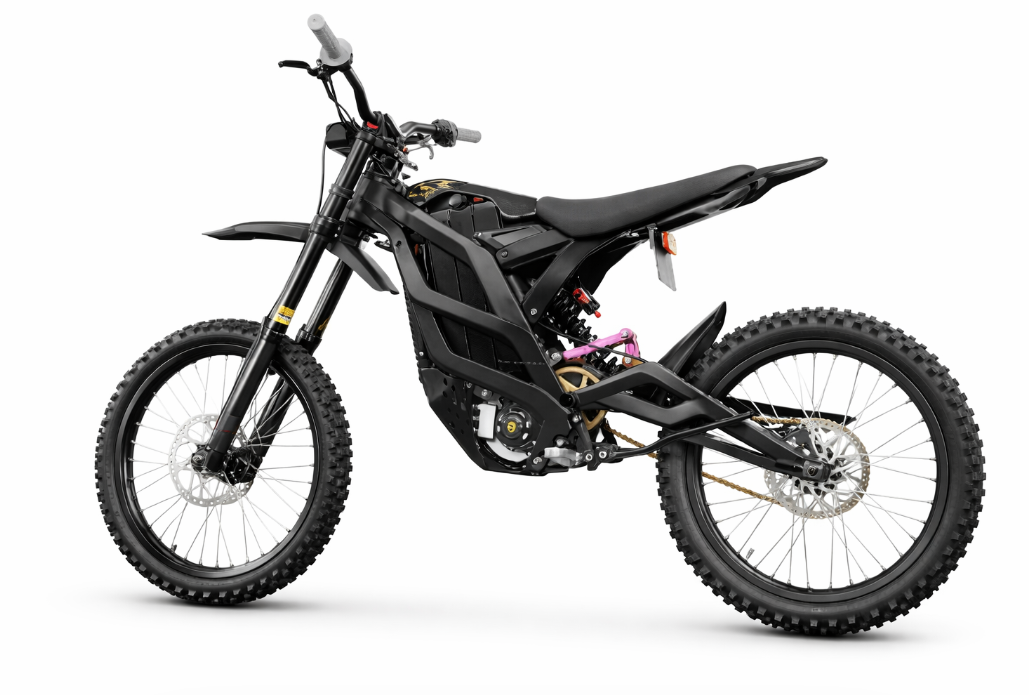
Turn your garage into a torque playground—build a diy electric pit bike that screams rebellion and rides like pure electric adrenaline.
A diy electric pit bike isn’t just a weekend project—it’s a little rebellion on two wheels. One minute you’re staring at a bare frame in your garage, the next you’re chasing torque like a kid chasing the ice cream truck. The catch? Motors, batteries, controllers—pick wrong and you’ve built a very expensive paperweight.
Building your own ride feels like cooking from scratch. Miss the spice, and it’s bland. Nail it, and it sings. This guide cuts through the guesswork, so your bike doesn’t just roll—it rips.
Rhythmic Key Points: diy electric pit bike
➔ Powertrain Selection: choose between a brushless DC hub motor for simple installation or a mid-drive setup for superior climbing torque.
➔ Battery & Management: secure a lithium-ion pack with the right voltage and amp-hour rating; rely on a BMS for cell protection and balanced charging.
➔ Chassis & Braking: opt for an aluminum frame with full suspension, pair hydraulic disc brakes with regenerative recovery, and fit knobby tires on spoked wheels for off-road grip.

What Are Electric Pit Bike Components?
Building a diy electric pit bike is all about knowing what’s under the plastics. From motor to tires, every part shapes how your electric pit bike feels on dirt, jumps, and tight backyard tracks. If you're planning a diy electric pit bike build or upgrading an electric pit bike kit, these core components matter.
Brushless DC Motor vs Mid-Drive Options: Choosing Your Powertrain
When choosing your power source for a diy electric pit bike, it usually comes down to this:
-
Brushless DC motor simplicity
-
Mid-drive motor climbing strength
-
Smart motor controller tuning
Under the hood, your electric motor setup affects:
-
Torque off the line
-
Overall power output
-
System efficiency at higher speeds
For builders who like clean installs:
-
Hub-style Brushless DC motor
-
Fewer moving parts
-
Lower maintenance
For riders chasing steep hill torque:
-
Central Mid-drive motor
-
Works through chain and sprocket
-
Multiplies torque using gear ratios
-
Keeps weight centered
-
A 2025 IEA transport update noted that electric two-wheelers continue gaining share globally due to higher drivetrain efficiency and lower maintenance compared to combustion bikes. That trend fuels the rise of custom electric pit builds and brands like hezzo that fine-tune controller mapping for smoother throttle feel.
Lithium-Ion Battery Basics with Voltage Rating and BMS
Your Lithium-ion battery is the heart of any diy electric pit bike build.
Key specs to watch:
-
Voltage rating (36V, 48V, 60V)
-
Capacity (Ah)
-
Overall energy density
Inside the battery pack:
-
Individual cells
-
A smart Battery Management System (BMS)
-
Thermal protection layers
The BMS handles:
-
Cell balancing
-
Overcharge protection
-
Extending charging cycles
Higher voltage boosts speed. Higher Capacity (Ah) increases ride time. For electric pit bike fans chasing longer laps, pairing a solid pack with a tuned controller from hezzo keeps performance steady instead of sagging mid-ride.
Aluminum Frame with Full Suspension Geometry
A solid Aluminum frame keeps weight down without feeling flimsy. Frame material matters, especially in a diy electric pit bike where battery weight shifts balance.
Core structure includes:
-
Reinforced frame geometry
-
Adjustable front fork
-
Tuned rear shock absorber
Suspension breakdown:
-
Full suspension setup
-
Front:
-
Hydraulic front fork
-
Adjustable preload
-
-
Rear:
-
Linkage system
-
Dialed suspension travel
-
-
Short travel feels tight on pump tracks. Longer suspension travel smooths rough trails. hezzo designs often keep geometry compact, ideal for electric mini bike conversions and backyard racing.
Hydraulic Disc Brakes plus Regenerative Braking
Stopping power can’t be an afterthought on a fast electric pit bike.
Main braking components:
-
Hydraulic disc brakes
-
Dual brake calipers
-
Steel brake rotors
-
Responsive brake levers
Inside the braking system:
-
Fluid pressure from brake levers
-
Activation of brake calipers
-
Friction on brake rotors
-
Controlled stopping power
Add regenerative braking, and the electric motor feeds small energy back to the battery during deceleration. It won’t double your range, but it helps. For diy electric pit bike riders who like quick bursts and hard braking, this setup keeps things tight and predictable.

Off-Road Knobby Tires on Spoked Wheels
Traction makes or breaks your diy electric pit bike experience.
Tire essentials:
-
Aggressive knobby tires
-
Deep tire tread
-
Durable spoked wheels
Wheel structure:
-
Rim
-
Central hub
-
Tensioned spokes
-
Correct wheel size
On loose dirt, off-road tires dig in. On hardpack, tighter tread rolls faster. Matching the right wheel size and rim width improves stability in corners. For electric pit bike builders dialing in their ride, hezzo models often pair compact frames with balanced knobby setups, making every electric pit run feel planted and fun.
3 Essential Tools For Your DIY Electric Pit Bike
Building a diy electric pit bike is hands-on fun, but the right tools make the difference between a smooth ride and a shaky mess. If you're serious about your electric pit bike build, these three tools keep your DIY electric pit bike safe, reliable, and ready to rip.
Precision Torque Wrench for Tightening Frame Bolts
When assembling a diy electric pit bike, tightening matters more than most riders think.
-
Core Tool Setup
-
torque wrench
-
Ensures accurate torque specifications on aluminum or steel frames
-
Prevents overtightening during frame assembly
-
-
socket set
-
Matches common fasteners on pit bike chassis
-
Supports controlled tightening in tight motor mount areas
-
-
-
Why Calibration Counts
-
Proper calibration
-
Maintains consistent clamping force
-
Protects frame geometry under load
-
-
-
On Your Electric Pit Bike Build
-
Secure swingarm bolts
-
Lock down battery tray mounts
-
Stabilize motor brackets
-
A well-tuned wrench keeps your electric pit bike solid under jumps, hard braking, and weekend trail abuse.
Soldering Iron with Heat Shrink for Strong Joints
Electrical work on a diy electric pit bike needs patience and clean technique.
-
Electrical Connection Essentials
-
soldering iron
- Adjustable temperature for sensitive throttle wiring
-
solder wire + flux
- Improves flow and bonding on copper leads
-
-
Wire Protection System
-
heat shrink tubing
-
Seals wire connections
-
Guards electrical components from vibration
-
-
-
Clean Soldering Technique
-
Strip evenly
-
Heat joint, not solder
-
Slide shrink tubing before cooling
-
On a homebuilt electric pit bike, loose wiring kills performance fast. Solid joints keep your controller and throttle response crisp. Brands like hezzo design their layouts cleanly, but even then, careful solder work makes the ride feel pro-level.
Multimeter to Verify Battery Capacity and Voltage
No serious diy electric pit bike builder skips electrical testing.
-
Battery Testing Basics
-
multimeter
-
Measures battery voltage before and after charge
-
Confirms real battery capacity
-
-
-
Diagnostic Functions
-
DC current checks under throttle load
-
resistance measurement for spotting bad connectors
-
-
Battery Health Routine
-
1) Test resting voltage
-
2) Run light throttle test
-
3) Compare drop rate
-
4) Monitor recharge cycle
-
Consistent electrical testing protects battery packs and boosts motor efficiency. Many riders upgrading to hezzo components rely on routine voltage checks to avoid burnout. If your DIY electric pit bike feels sluggish, grab the multimeter before blaming the motor.
With these three tools dialed in, your diy electric pit bike build stays tight, clean, and trail-ready.
Can You Wire The Controller Yourself?
Building a diy electric pit bike sounds fun until you hit the wiring stage. That’s where things get real. If you're into electric builds, pit bike mods, or crafting your own diy e pit bike setup, this guide keeps it simple and practical.
Understanding Controller Settings and Riding Modes
When tuning a diy electric pit bike, your Controller settings shape how the ride feels.
-
Riding behavior control
1.1 Riding modes
-
Eco mode: softer acceleration, longer range.
-
Sport mode: quicker throttle response.
1.2 Parameter adjustment
-
Set speed limits to match motor rating.
-
Adjust regenerative braking strength.
-
-
Performance alignment
2.1 Performance tuning
-
Match rated voltage with battery pack.
-
Balance peak amps to protect wiring.
2.2 User interface access
- Use LCD menu to tweak torque curves.
-
For riders building a diy electric pit bike at home, small tweaks in settings can turn a twitchy ride into a smooth electric pit bike build that feels dialed in.

Connecting Throttle Type to Pedal Assist System
Smooth power comes from correct Throttle connection and System integration.
-
Throttle matching
1.1 Identify throttle voltage (usually 0.8V–4.2V).
1.2 Match to controller Throttle input specs.
-
Pedal assist compatibility
2.1 Confirm Pedal assist system signal type.
2.2 Align magnet count with controller programming.
-
Sensor wiring
3.1 Connect PAS sensor signal wire.
3.2 Secure ground and 5V reference.
On a diy electric pit bike, mixing a hall throttle with the wrong input can cause jerky output. Clean wiring equals clean acceleration.
Wiring the LCD Display and Speedometer
Your display keeps the electric pit bike honest.
-
Core display links
1.1 Plug Display connection harness into controller port.
1.2 Confirm Data output pins align correctly.
-
Speed tracking
2.1 Attach speed sensor for proper Speedometer wiring.
2.2 Check magnet alignment on wheel hub.
-
Visual checks
3.1 Test Indicator lights for error codes.
3.2 Validate battery voltage reading on LCD display.
On a diy electric pit bike, a loose display wire can fake low battery readings. Keep connectors tight and waterproof.
Testing Motor Power Output and Peak Power Signals
After wiring, test the numbers. A proper diy electric pit bike should hit rated output without overheating.
-
Diagnostic checks
1.1 Run controller Diagnostic checks menu.
1.2 Monitor live Signal testing feedback.
-
Measure real output
| Test Mode | Voltage (V) | Current (A) | Calculated Motor power (W) |
|---|---|---|---|
| Idle | 48 | 1.2 | 57.6 |
| Cruise | 48 | 12 | 576 |
| Hill Load | 48 | 28 | 1344 |
| Peak Burst | 48 | 35 | 1680 |
-
Evaluate limits
3.1 Compare rated vs Peak power.
3.2 Track heat under heavy throttle.
3.3 Review Performance metrics for climbing ability.
Brands like hezzo design controller systems that simplify this process, making diy electric pit bike projects less stressful. If you're serious about a clean electric pit build, hezzo hardware keeps wiring logical and safe.
FAQs about Diy Electric Pit Bike
What motor setup gives a diy electric pit bike real punch?
A diy electric pit bike lives or dies by its motor choice.
-
Brushless DC motor – low maintenance, steady motor power output, and strong peak power under load.
-
Hub motor – simple install, clean wiring, great for casual builds.
-
Mid-drive motor – sharper climbing ability, better weight balance, stronger acceleration on steep trails.
Match rated wattage to your riding style. Higher peak power boosts top speed, but smart controller settings keep acceleration smooth and controllable when the trail tightens.
How does a lithium-ion battery shape speed and range?
The battery defines freedom.
-
Voltage rating pushes top speed and torque feel.
-
Amp-hour rating determines range per charge.
-
Battery capacity + battery management system protect cells and extend lifespan.
-
Shorter charging time keeps weekend rides stress-free.
A well-sized lithium-ion battery with proper water resistance rating gives steady output instead of sudden drop-offs when the throttle is wide open.
What frame and suspension setup improves control off-road?
Control begins with structure and ends with comfort.
A lightweight aluminum frame sharpens handling, while a steel frame adds durability for heavier payload capacity. Balanced frame geometry keeps the bike stable at speed.
Add:
-
Front suspension fork → absorbs trail chatter
-
Rear shock absorber → stabilizes jumps and rough patches
-
Full suspension → better grip when cornering hard
When the terrain fights back, suspension keeps your body fresh and your line steady.
Are hydraulic disc brakes and off-road tires worth it?
Stopping power and traction decide confidence.
Hydraulic disc brakes provide stronger brake lever feel than mechanical disc brakes, and larger rotor size improves heat control. Pair them with regenerative braking for slight energy recovery during deceleration.
On the ground:
-
Knobby tires with deep tire tread pattern grip loose soil
-
Durable spoked wheels handle impact
-
Proper wheel size improves balance
-
Strong puncture resistance avoids trail-side repairs
With tuned controller settings, responsive throttle type, clear LCD display, and visible speedometer, your diy electric pit bike feels tight, alive, and ready for the next burst of acceleration.
Aktie:
How to Build a DIY Electric Dirt Bike: The Complete Step-by-Step Guide
The Ultimate Guide to Buying Your First Dirt Electric Bikes Today