
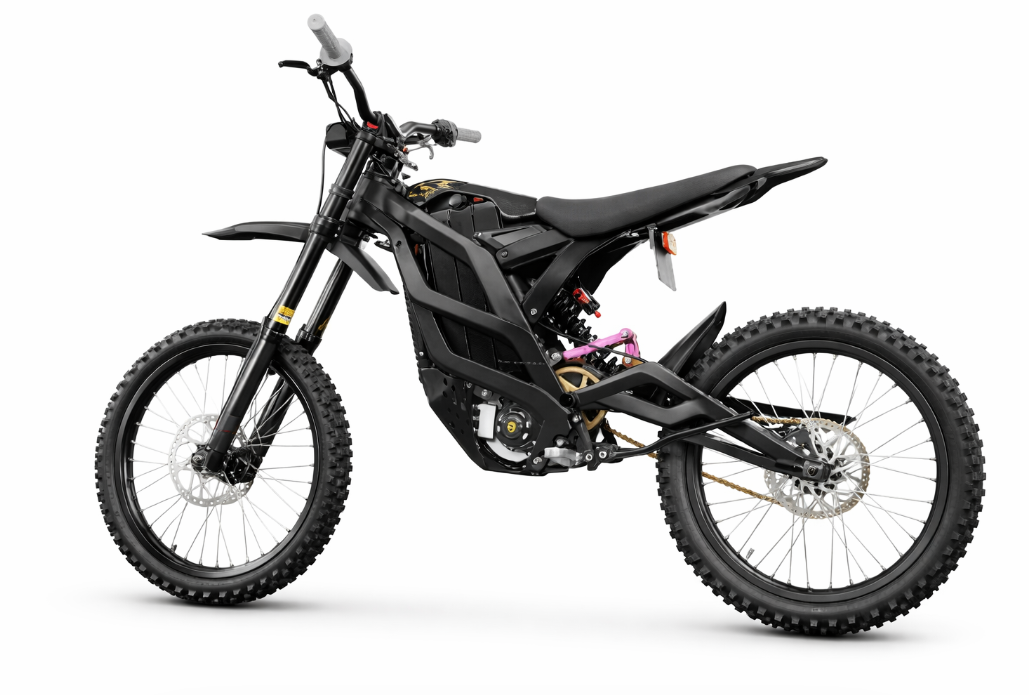
Pick wrong, pay forever—choose the right electric dirt bike engine and watch hills bow, range stretch, and every ride feel unstoppable.
Pick the wrong electric dirt bike engine and your build turns into a money pit fast. Power feels flat, hills bite back, and range vanishes right when the trail gets fun. The motor is the whole game.
BloombergNEF’s 2025 electric mobility outlook reports off-road segments accelerating as riders demand higher performance and efficiency.
Choose smart, ride harder, longer.
Core Components Of Every Electric Dirt Bike Engine
An electric dirt bike engine is more than a motor bolted to a frame. From torque punch to cooling flow, every electric motor detail shapes how your electric dirt bike rides, climbs, and rips.
Exploring Motor Types and Efficiency Ratings
When sizing up an electric dirt bike engine, start with the electric motor layout:
-
Motor Types
-
Hub motor
-
Mounted in the wheel
-
Simpler drivetrain
-
Adds unsprung weight
-
-
Mid-drive motor
-
Center-mounted
-
Better weight balance
-
Works with transmission and gear ratio
-
-
-
Motor Construction
-
Brushless vs brushed
-
Brushless designs dominate modern electric dirt bike motor setups
-
Higher efficiency rating
-
Lower heat loss
-
Longer lifespan
-
Brushed systems
-
Lower cost
-
Faster wear
-
-
-
Current Type
-
AC motor
-
Smooth delivery
-
Strong thermal stability
-
-
DC motor
-
Quick throttle snap
-
Simpler control
-
-
Many riders chasing range per charge focus on permanent magnet brushless units. Brands like hezzo tune mid-drive systems to keep the electric dirt bike engine responsive without feeling top-heavy.
Decoding Power Output and Torque Ratings
On any electric dirt bike engine, numbers tell the real story.
-
Power output (in kilowatts or horsepower) influences top speed.
-
Torque (measured in Newton-meters) controls launch and hill climbs.
-
RPM shapes how that power feels across the throttle.
| Model Type | Peak Power (kW) | Continuous Power (kW) | Torque (Nm) | Max RPM |
|---|---|---|---|---|
| Trail 250 | 6 | 4 | 45 | 4500 |
| MX 300 | 8 | 5.5 | 60 | 5000 |
| Enduro 400 | 12 | 8 | 85 | 5200 |
| Pro 500 | 18 | 12 | 110 | 6000 |
Peak power gives short bursts. Continuous power keeps the electric dirt bike engine pulling hard without overheating. Heavier riders or sandy tracks demand higher torque and stable output from the electric dirt bike engine system.
Cooling Systems: Air-Cooled vs. Liquid-Cooled
Heat kills performance. So cooling matters.
-
Air cooling
-
Uses fins and fan
-
Direct heat dissipation
-
Lighter build
-
Best for casual electric dirt bike use
-
-
Liquid cooling
-
Circulates coolant
-
Includes radiator
-
Advanced thermal management
-
Keeps motor efficiency steady
-
Reduces power fade
-
Supports aggressive riding
-
High-output electric dirt bike engine builds, especially in racing setups, benefit from liquid-based cooling system control to avoid thermal rollback.
Drive Train Essentials for Peak Performance
Power means nothing if the final drive wastes it.
-
Chain drive
-
Strong under load
-
Easy ratio swaps
-
-
Belt drive
-
Quiet
-
Low maintenance
-
-
Shaft drive
-
Clean setup
-
Added weight
-
Fine-tuning the gear ratio inside the transmission changes how the electric dirt bike engine delivers force. Shorter ratios boost snap. Taller ratios stretch top speed.
In real-world riding, a well-matched drivetrain turns raw electric motor power into smooth, controlled performance. That’s why brands like hezzo balance torque flow, throttle response, and durability so the electric dirt bike engine feels sharp but never twitchy.
Standard Vs. Brushless: Which Is Right?
Choosing the right setup for your electric dirt bike engine can feel like picking between old-school grit and high-tech punch. The motor defines how your electric dirt bike pulls, cools, and lasts. From weekend trail riders to serious racers checking out hezzo models, understanding how each engine style works makes the ride smoother and your money smarter.
Standard Motor
A standard motor in an electric dirt bike engine setup runs on classic DC power and mechanical contact.
-
Core Working Parts
-
Brushes press against the Commutator to transfer current.
-
This direct contact supports Simplicity, which keeps upfront cost low.
-
The design creates natural friction, shaping a predictable Torque curve.
-
-
Practical Ownership Factors
-
Wear parts like brushes gradually degrade.
-
Regular Maintenance is required.
-
Increased Heat generation under heavy throttle affects long rides.
-
-
Power delivery feels raw but less refined in a high-output electric dirt bike engine.
-
-
Rider Experience
-
Good for casual riders.
-
Budget-friendly builds.
-
Straightforward repairs without complex electronics.
-
For entry-level electric dirt bike builds, this motor type keeps things simple and affordable, which is why some starter models in the hezzo lineup still give riders that mechanical, hands-on vibe.
Brushless Motor
A brushless electric dirt bike engine replaces friction parts with an Electronic controller managing AC power flow.
-
Internal Architecture
-
No brushes means improved Durability.
-
Smarter Speed control enhances throttle feel.
-
Higher Power density supports stronger acceleration.
-
-
Thermal and Efficiency Performance
| Feature | Standard Motor | Brushless Motor |
|---|---|---|
| Energy Efficiency | 75–80% | 85–92% |
| Heat dissipation | Moderate | Improved airflow design |
| Service Interval | 3–6 months | 12+ months typical |
-
Real-World Impact
-
Smoother output improves overall Performance.
-
Longer battery range per charge.
-
Reduced workshop visits.
-
If you’re serious about upgrading your electric dirt bike engine, brushless systems—like those engineered into advanced hezzo electric dirt bike models—deliver cleaner torque, less downtime, and a ride that just feels dialed in.
3 Reasons Torque Matters In Your Engine Choice
Picking the right electric dirt bike engine isn’t just about top speed bragging rights. It’s about how that motor feels when you twist the throttle. From quick bursts to steep climbs, torque shapes every ride.

Reason 1: Torque’s Role in Rapid Acceleration
When sizing up an electric dirt bike engine, rapid acceleration starts with raw torque.
-
Launch Performance
-
Power Transfer
-
Higher torque means stronger initial wheel force.
-
Better launch off the line with less delay.
-
-
Instant Responsiveness
-
Electric dirt power units react faster than gas setups.
-
That snap improves trail quickness.
-
-
-
Speed Build-Up
-
Low-End Output
- Strong low-RPM power pushes early speed gains.
-
Mid-Range Pull
- Consistent torque keeps acceleration smooth, not jerky.
-
| Output Level | Torque (Nm) | 0–30 mph (sec) |
|---|---|---|
| Entry | 45 Nm | 4.8 s |
| Mid-Range | 65 Nm | 3.9 s |
| High Torque | 85 Nm | 3.1 s |
On a hezzo electric dirt bike engine, that stronger curve means you feel the punch right away, not three seconds later.
Reason 2: Climbing Ability Hinges on Torque Rating
Steep inclines and loose hills expose weak torque fast. An electric dirt bike engine built for trail work keeps pulling when gradients get nasty.
-
Strong continuous climbing output holds momentum.
-
Stable traction reduces wheel spin on off-road rock and gravel.
-
Controlled power keeps balance tight.
1) Low-speed control matters more than peak speed.
2) Sustained torque protects battery efficiency during long climbs.
3) Smart motor tuning improves off-road grip.
The International Energy Agency noted in its 2025 Global EV Outlook that electric two-wheelers benefit from “high torque at low speed, improving gradeability and urban acceleration compared to combustion counterparts.”
That’s exactly why a dialed-in electric dirt bike motor feels steady instead of stressed halfway up a ridge.
Reason 3: Torque and Throttle Response Optimization
Dialing in an electric dirt bike engine is about matching torque with clean throttle response.
-
Power Delivery Control
-
Ride Modes
-
Eco: softer power delivery, smoother rider feel.
-
Sport: sharper response, higher precision.
-
-
Terrain Mapping
-
Sand demands progressive control.
-
Hardpack rewards instant optimization.
-
-
-
Rider Confidence
-
Reduced Wheel Spin
- Balanced torque keeps traction hooked up.
-
Better Line Choice
- Predictable throttle action boosts technical precision.
-
On a hezzo setup, the electric dirt bike engine pairs tuned motor control with smart mapping. The result? Crisp power delivery, tight control, and a ride that feels natural—not twitchy—when trails get tricky.
Battery And Motor: The Perfect Power Pair
An electric dirt bike engine is only as good as the battery feeding it. From raw torque to smooth throttle feel, the link between battery and motor shapes every ride. Dial in the match, and your electric dirt bike just feels right.
Matching Battery Capacity to Motor Power Output
When tuning an electric dirt bike engine, balance starts with the relationship between battery capacity and motor power.
-
Core energy metrics
-
Amp-hours define storage depth
-
Watt-hours reflect total usable energy
-
Real-world energy consumption shifts with terrain
-
-
Power alignment
-
The power output of the motor must sync with available watt-hours.
-
An undersized pack strains the motor controller.
-
Oversizing adds weight and slows handling.
-
-
Performance stability
-
Proper capacity keeps acceleration consistent.
-
Heat stays manageable.
-
Charging time remains practical.
-
For any electric dirt bike motor, that balance keeps the electric bike engine running strong without cooking components.
Voltage Rating’s Impact on Motor Efficiency
Voltage shapes how an electric dirt bike engine feels off the line.
-
Higher voltage rating supports smoother power delivery.
-
Lower current draw cuts heat generation.
Under a well-matched system voltage:
-
Motor efficiency improves because the motor pulls less amperage for the same load.
-
Motor performance feels sharper, especially during climbs.
BloombergNEF’s 2025 electric mobility outlook notes that higher-voltage architectures are improving efficiency across light electric vehicles by reducing thermal stress and electrical losses.
For riders, that simply means cooler components and punchier throttle response from the electric dirt bike engine.
Choosing Battery Chemistry for Longer Life Cycles
Battery choice quietly defines how long your electric dirt bike engine stays lively.
-
Lithium-ion offers high energy density and lighter packs.
-
Lithium iron phosphate trades a bit of density for longer cycle life and slower degradation.
Key considerations:
-
Riding frequency
- Daily riders benefit from extended life cycles.
-
Climate
- Stable battery chemistry handles temperature swings better.
-
Weight goals
- Higher energy density keeps the electric bike engine setup agile.
The right chemistry keeps performance steady long after the honeymoon phase.
Removable Batteries for Faster Charging Swaps
A smart battery pack design changes how an electric dirt bike engine fits into real life.
-
Removable batteries reduce downtime.
-
A fast battery swap beats waiting hours.
With a modular design:
-
Ride hard.
-
Slide the pack out.
-
Drop in a charged unit.
That quick change approach keeps charging time from killing the vibe. For trail riders pushing an electric dirt bike engine deep into the day, convenience isn’t a luxury—it’s survival.
FAQs about Electric Dirt Bike Engine
What makes an electric dirt bike engine perform better on tough terrain?
Performance on rough trails comes down to how the electric dirt bike engine delivers force to the ground.
-
Torque rating + drive train: Strong low-end torque improves climbing ability, while a balanced drive train keeps traction steady on loose soil.
-
Motor type & cooling system: Mid-drive motors paired with a liquid-cooled system maintain motor efficiency during long hill climbs.
-
Chassis support: Proper frame geometry, generous ground clearance, and tuned suspension type (with rebound adjustment) keep power usable instead of chaotic.
When torque, throttle response, and suspension travel work in sync, steep sections feel controlled rather than intimidating.
How does motor type influence range per charge and acceleration?
Motor type shapes how power output turns into motion:
-
Hub motor – smoother feel, simpler layout, slightly lower motor efficiency under heavy load.
-
Mid-drive motor – stronger acceleration, better use of battery capacity, improved range per charge through efficient gearing.
Higher voltage rating reduces strain during rapid acceleration, helping maintain top speed without draining battery life cycles too quickly. The result is sharper throttle control and cleaner exits out of corners.
Why is choosing the right battery capacity important for consistent performance?
Battery capacity is the backbone of steady riding.
-
Larger capacity supports sustained power modes and stable top speed.
-
Correct battery chemistry limits overheating and protects battery life cycles.
-
A removable battery cuts charging time downtime and extends practical riding range.
When battery capacity matches motor specifications, voltage drop disappears and acceleration feels confident even late in the ride.
How can torque rating affect riding confidence and control?
Torque defines how the bike reacts the moment you twist the throttle.
| Aspect | Low Torque | High, Balanced Torque |
|---|---|---|
| Acceleration | Slower launch | Quick, controlled burst |
| Climbing Ability | Struggles on steep grades | Strong uphill pull |
| Throttle Response | Hesitant | Precise and responsive |
| Braking Balance | More reliance on brake type | Smoother power modulation |
Paired with quality braking power, stable frame material, and responsive suspension travel, a well-tuned electric dirt bike engine transforms raw force into calm, confident control.
Aktie:
5 Best Electric Dirt Bike Models: The Ultimate E Bike Guide
I Bought the Cheapest Electric Dirt Bike on Amazon: Is It Worth It?