
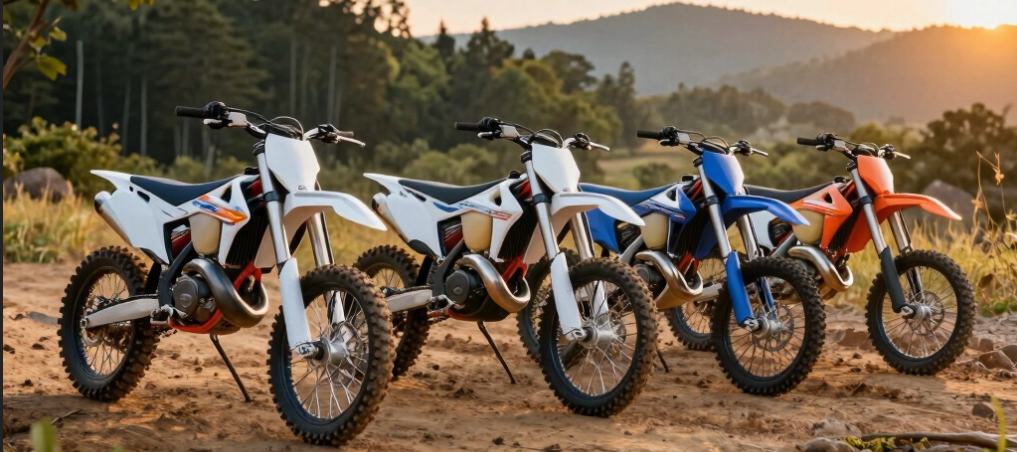
Quiet torque, wild climbs, zero drama—an electric trail bike turns every ride into rebellion on wheels. Pick right and own the dirt.
An electric trail bike isn’t just a new toy—it’s that quiet rebel in the garage begging for dirt, climbs, and a little chaos. You want punchy torque for steep switchbacks, enough battery to avoid the long walk of shame, and handling that doesn’t feel like wrestling a shopping cart downhill. The hype is loud. The specs? Louder. And sorting motor watts from real trail grit can feel like reading a foreign menu when you’re starving.
E‑bike sales in the U.S. jumped 269% between 2019 and 2022, according to the U.S. Department of Energy—proof this isn’t a passing fad.
Pick wrong, and you’re stuck with a pricey paperweight. Pick right, and every ride feels like you hit the jackpot on two wheels.
Trail Tunes & Triumphs: Electric Trail Bike Essentials
-
Choose a high-torque motor and optimized suspension for steep climbs and rocky terrain.
-
Prioritize battery capacity (Wh) and fast-charge support to maximize range and minimize downtime.
-
Select wheel size and frame material that balance agility, rollover capability, and ride comfort.
-
Look for integrated GPS, smart diagnostics, and durable, water-resistant components for reliable adventure riding.
Why Choose An Electric Trail Bike?
Riding an electric trail bike changes how you handle dirt, climbs, and long miles. It blends motor support with real trail grit. From weekend rides to serious backcountry loops, an electric trail bike gives steady power, smoother control, and that extra push when your legs start to fade.
Unmatched Off-Road Capability and Trail Performance
An electric trail bike thrives in rough off-road terrain, and that edge comes from carefully tuned components working together:
-
Suspension system absorbs rock gardens and root beds.
-
Aggressive tire grip holds firm in loose soil.
-
Dialed frame geometry improves maneuverability on tight switchbacks.
Performance factors at a glance:
| Terrain Type | Suspension Travel (mm) | Tire Width (in) | Motor Output (W) | Stability Rating |
|---|---|---|---|---|
| Mud | 140 | 2.6 | 500 | High |
| Rocks | 150 | 2.5 | 750 | Very High |
| Sand | 130 | 2.8 | 500 | Medium-High |
| Forest Trail | 140 | 2.4 | 500 | High |
| Gravel | 120 | 2.3 | 350 | Medium |
Underneath it all, the electric motor bike system keeps power smooth, so trail riding feels controlled, not jerky.
Enhanced Torque Output for Steep Climbs
Climbing breaks riders. A solid electric trail bike flips that script through layered power delivery:
-
Core Drive System
-
High-efficiency motor power
-
Instant torque delivery
-
-
Climb Optimization
-
Smart climbing assistance modes
-
Balanced gear ratios for traction
-
-
Energy Control
-
Large battery capacity
-
Adjustable pedal assist levels
-
The result? Steady traction, less wheel spin, and confidence on loose switchbacks. Brands like hezzobike tune their electric trail systems to keep torque smooth instead of wild.
Ergonomics and Handling Characteristics for Long Rides
Long rides test patience and posture.
-
Thoughtful saddle design supports real rider comfort.
-
Neutral handlebar position keeps shoulders relaxed.
-
Even weight distribution improves ride stability.
Fine-tuned suspension tuning reduces chatter over miles of trail riding. A quality electric trail bike feels planted, not heavy. That balance matters when the route stretches past 30 miles and your legs beg for mercy.
Integrated GPS Tracking and Smart Diagnostics
Modern electric trail bike tech goes beyond motors:
-
Real-time route planning
-
Live performance monitoring
-
Clear battery status display
-
Instant alerts for error codes
-
Seamless app integration with advanced connectivity features
With systems like those found on hezzobike models, riders track stats, update firmware, and secure their electric mountain bike from a phone. It’s simple, practical, and built for riders who want power and data in one tight package.
3 Key Parameters For Battery Life
Battery life can make or break your electric trail bike experience. From weekend dirt runs to daily electric trail rides, understanding power basics keeps your electric trail bike rolling longer and stronger.
Battery Capacity: How Watt-Hours Determine Range Per Charge
When choosing an electric trail bike, Battery capacity shapes the real-world Range per charge and total Riding distance.
-
Core Energy Metrics
-
Watt-hours (Wh)
-
Directly reflect stored energy
-
Higher Wh = extended trail time
-
-
Kilowatt-hours (kWh)
-
Larger-scale comparison metric
-
Useful for performance benchmarking
-
-
Energy density
-
Impacts weight-to-power balance
-
Critical for agile electric bikes on rough terrain
-
-
-
Long-Term Performance Factors
-
Battery degradation
-
Gradual capacity loss over charging cycles
-
Influenced by terrain load and climate
-
-
Smart calibration systems
-
Stabilize voltage output
-
Maintain consistent torque delivery
-
-
For riders pushing a mountain e-bike up steep switchbacks, more watt-hours simply means fewer range worries. Brands like hezzobike tune capacity to match both endurance and punch, so your electric trail bike doesn’t feel drained halfway through the fun.
Charging Time: Fast Chargers vs. Standard Adapters
Charging time affects how quickly your electric trail bike gets back on dirt.
-
Fast charger
-
Boosted Charging speed
-
Smarter temperature control
-
Fewer interruptions between rides
-
-
Standard adapter
-
Slower Recharge duration
-
Gentler daily charging rhythm
-
Practical for overnight top-ups
-
Here’s how riders usually manage it:
-
Use a fast charger before long trail weekends.
-
Switch to a standard adapter for routine Charging cycles.
-
Monitor Battery health via onboard display.
Balanced charging habits protect cell chemistry and extend lifespan. Many electric bike trail enthusiasts prefer adaptive systems built into hezzobike models, keeping downtime short without stressing the pack.
Power Modes: Balancing Top Speed and Endurance
Every electric trail bike performs differently depending on selected Power modes.
-
Mode Architecture
-
Eco
-
Reduced Battery consumption
-
Maximum Endurance
-
-
Trail
-
Balanced Torque output
-
Stable Riding efficiency
-
-
Boost
-
Higher Top speed
-
Aggressive assist levels
-
-
-
Functional Impact
-
Adjusted Assist levels
-
Match terrain gradient
-
Control energy draw
-
-
Smart controllers
-
Regulate peak motor current
-
Prevent overheating
-
-
Switching modes mid-ride keeps your electric trail bike adaptable. Climb in eco. Sprint in boost. Cruise in trail. That flexibility is what makes modern electric bikes feel alive on dirt tracks, not just powered.
Wheel Size Vs. Ride Comfort
Choosing the right setup for an electric trail bike can totally change how your ride feels. Wheel size and comfort features work together, not against each other. From rocky climbs to flowy singletrack, every detail shapes how your electric trail bike performs out there.
Wheel Size
When dialing in wheel options for an electric trail bike, size affects more than looks.
-
Performance Factors
-
Wheel diameter
-
29 inch rolls smoother over roots and rocks.
-
27.5 inch feels snappier in tight turns.
-
-
Rolling resistance
-
Larger hoops maintain momentum on long electric trail climbs.
-
Smaller wheels spin up fast for punchy acceleration.
-
-
Agility vs. stability
-
27.5 favors quick line changes.
-
29 boosts confidence at speed.
-
-
-
Tire Interaction
-
Tire width influences traction on loose dirt.
-
Wider rubber reduces chatter on rough trail conditions.
-
-
Comparative Data
| Wheel Option | Avg Speed (km/h) | Obstacle Clearance (mm) | Rider Control Score (1–10) |
|---|---|---|---|
| 27.5 inch | 22 | 68 | 8.5 |
| 29 inch | 24 | 75 | 9.0 |
| 27.5+ wide | 21 | 70 | 8.8 |
| 29 trail e-bike setup | 25 | 78 | 9.2 |
Brands like hezzobike tune geometry around these numbers, balancing rollover and snap so your electric trail bike feels alive, not sluggish.
Ride Comfort
Comfort on an electric mountain bike isn’t just about soft padding. It’s a mix of smart design and trail reality.
-
Suspension travel smooths repeated hits.
-
Balanced frame geometry keeps weight centered.
-
Proper handlebar position reduces wrist strain.
-
Dial in saddle comfort for long electric trail sessions.
-
Adjust tire pressure for better vibration damping.
-
Match setup to real trail conditions.
According to the International Energy Agency’s Global EV Outlook 2024,
“E-bike sales continued to grow strongly across many regions, reflecting rising demand for efficient and comfortable electric mobility.”
That surge includes the electric trail bike crowd. Riders want power, sure. But they also want less back ache and more flow. A well-set electric trail bike from hezzobike blends suspension, ergonomics, and wheel choice so every mile feels smooth, not brutal.

Too Much Weight? Lighter E-Bike Frames
A heavy ride can kill the vibe fast. When your electric trail bike feels bulky, climbs drag and corners get sketchy. Smart weight control changes everything. From Carbon Fiber frames to compact drive units, a dialed-in electric trail bike handles cleaner, accelerates quicker, and simply feels right on dirt.
High-Strength Frame Material for Reduced Bike Weight
A lighter electric trail bike starts at the frame, and that means smart material choices.
-
Frame Material Options
-
Carbon Fiber
-
Low Material Density
-
High Structural Integrity
-
Tuned Frame Geometry for trail stability
-
-
Aluminum Alloy
-
Balanced strength-to-weight ratio
-
Durable under aggressive riding
-
-
Titanium
-
Natural flex feel
-
Corrosion resistance
-
-
-
Design Priorities
-
Optimized tube shaping
-
Reinforced stress zones
-
Clean weld transitions
-
On a modern electric mountain bike, shaving even 500 grams improves flickability. Brands like hezzobike focus on tight Frame Geometry so the electric trail bike stays planted without feeling like a tank.
Compact Motor Power Units That Save Pounds
Motor size matters, but so does placement.
-
Mid-Drive Motor
-
Central Weight Distribution
-
Strong Power-to-Weight Ratio
-
-
Hub Motor
-
Simpler layout
-
Slight rear bias
-
-
Integrated battery housing
-
Cleaner Battery Integration
-
Lower center of gravity
-
A compact Motor Size keeps the electric trail bike responsive on switchbacks. When torque hits smoothly, traction improves and climbing feels less like a grind. hezzobike tunes its drive systems so the electric trail bike delivers punch without dead weight.
Streamlined Component Selection and Build Quality
Weight savings continue beyond the frame and motor.
-
Lightweight Components
-
Slim cranksets
-
Minimalist cockpit
-
-
Suspension System
-
Air shocks over coils
-
Trail-focused travel
-
-
Wheelset
-
Tubeless-ready rims
-
Reinforced yet light spokes
-
-
Brake System & Drivetrain Efficiency
-
Two-piston trail brakes
-
Wide-range cassette
-
Smart picks boost Component Durability without stacking grams. A sharp electric trail bike isn’t just lighter; it feels alive under power, ready for rough lines and long days out.
Adventure Riding: Picking The Right E-Bike
Choosing the right electric trail bike isn’t just gear talk—it’s about staying steady on loose rock, powering up climbs, and getting home safe. A solid electric trail setup turns rough weekends into pure fun.
Off-Road Capability: Suspension Travel and Ground Clearance
When sizing up an electric trail bike, off-road grit starts with the chassis:
-
Suspension travel
-
120–140mm: light trail
-
150mm+: aggressive terrain
-
-
Ground clearance
- Higher bottom bracket reduces rock strikes
-
Wheel size and tire width
-
29” rolls smoother
-
2.4”+ grips better
-
Under that, smart frame geometry keeps weight centered on an electric trail ride. A slack head angle calms descents, while the right suspension type—air for adjustability, coil for plush feel—handles chatter. A dialed trail bike feels planted, not twitchy. That’s the vibe riders chase.
Climbing Ability with High Torque Output
Climbing splits average bikes from serious electric trail machines.
-
Torque output and motor power
- 85Nm+ helps on punchy climbs
-
Gear ratios
- Wide-range cassettes keep cadence smooth
-
Battery capacity
- Bigger packs support long fire-road grinds
-
Weight distribution
- Low center improves traction
-
Assist levels
-
Eco for range
-
Turbo for steep bursts
-
The IEA’s 2024 Global EV Outlook notes that e-bike adoption continues to rise across both urban and recreational markets, reflecting steady demand for capable electric trail platforms.
Brands like hezzobike tune motors for steady pull, not jerky surges. On a steep electric trail bike climb, smooth beats flashy every time.
Water Resistance and Ease of Service for Remote Trails
Remote riding calls for layered thinking:
-
Water resistance rating
-
IPX5+: rain-ready
-
Sealed connectors protect wiring
-
-
Seal quality around motor housing keeps grit out.
-
Component accessibility
-
External battery mounts
-
Tool-free panels
-
-
Durability in drivetrain parts reduces mid-ride drama.
-
Maintenance tools compatibility and spare parts availability matter when you’re miles from town.
A dependable electric trail bike should shrug off creek splashes and still be easy to wrench on. That’s where hezzobike scores points with trail-friendly layouts.
Lighting System, Horn Functionality, and Display Readability for Safety
Safety tech isn’t fluff; it’s survival gear.
-
Headlight lumens above 800 cut through dusk.
-
Taillight visibility with wide beam angles keeps you seen.
-
Horn decibels loud enough for hikers on blind turns.
Then comes cockpit clarity:
-
Display brightness adjustable for noon glare.
-
Clear display information—speed, range, assist level.
-
Intuitive control interface reachable without shifting grip.
On a fast electric trail bike descent, quick glances matter. A sharp electric trail display keeps your head up and your ride smooth.
FAQs about Electric Trail Bike
What makes an electric trail bike excel off-road?
An electric trail bike shines when every part works in harmony with the trail beneath it.
-
Suspension travel + wheel size: absorb roots and rocks while maintaining ground clearance and steady handling characteristics.
-
Motor power + torque output: deliver confident climbing ability and controlled top speed on loose gravel.
-
Frame material + bike weight: lighter builds improve terrain adaptability without sacrificing build quality.
Add responsive brake type, balanced seat height, and tuned ergonomics, and the result is true off-road capability with sharp trail performance.
How do torque output and power modes affect steep climbs?
Climbing is where character shows.
-
High torque output pushes through mud and loose stone without wheel spin.
-
Smart power modes adjust motor power to protect traction control and maintain steady momentum.
-
Precise handling characteristics keep the front wheel planted instead of drifting wide.
When motor response, riding modes, and climbing ability align, steep hills feel challenging—but not intimidating.
How does battery capacity shape range and daily usability?
Battery capacity defines freedom on the trail.
A higher watt-hour rating increases range per charge, supports consistent top speed, and stabilizes motor power over long rides. Charging time also matters; shorter sessions mean more saddle hours.
Paired with clear display features and strong display readability, riders can monitor energy use, power modes, and remaining distance at a glance—reducing range anxiety and improving real-world comfort.
What improves durability and smart ownership experience?
Adventure riding tests every bolt and wire. Long-term satisfaction depends on:
-
Water resistance + build quality: protect electronics in rain and puddles.
-
Smart diagnostics + firmware updates: catch issues early and refine performance.
-
App integration + GPS tracking: add security and ride data insight.
-
Ease of service + warranty coverage: extend component lifespan and reduce downtime.
Add a reliable lighting system, responsive horn functionality, and a firm kill switch, and the electric trail bike feels ready—not just for the ride, but for years of it.
Aktie:
The Ultimate Buyer’s Guide to Choosing Your First Dirt Ebike
Segway X140 vs. Surron: Which Electric Dirt Bike Wins the Trail?