
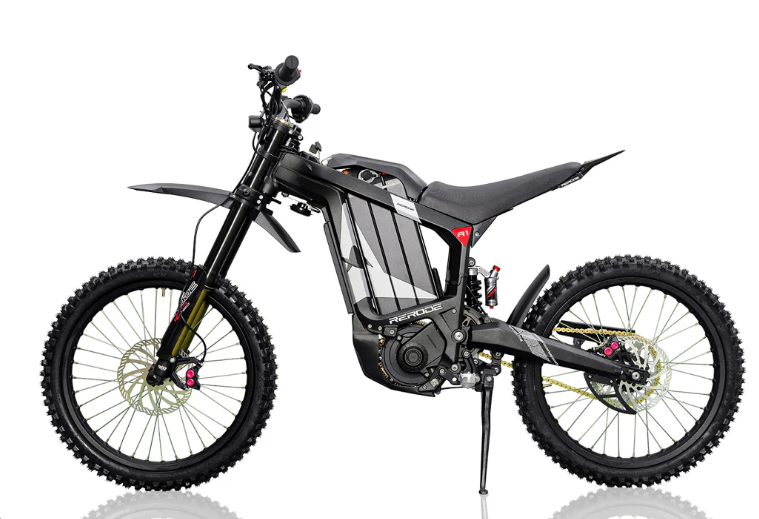
Quiet as a whisper, wild as a storm—the 80hp electric dirt bike flips gas riders' world upside down with pure torque and zero drama.
An 80hp electric dirt bike feels like a thunderclap in sneakers—quiet, cocky, and itching to race. Riders juggling gas prices, trail access drama, and wrench time keep asking one thing: can electric muscle finally scratch the motocross itch?
IEA notes electric two-wheelers keep surging in sales.
This sweet-spot power hits hard without acting wild—instant torque, fewer tune-ups, noise. Stick around as we size up costs, range fears, and track cred, and see why this middleweight spark keeps pulling riders in.
Why Motocross Needs Electric 30hp Dirt Bikes
Electric motocross is picking up serious speed. From a 30hp beginner ride to an 80hp electric dirt bike, the shift is real. Riders want cleaner tracks, sharper throttle feel, and machines that match today’s rules without killing the fun.
The Environmental Benefits of Switching to Electric Motocross Bikes
Motocross tracks are under pressure, and the move toward an eco-friendly alternative is no longer just talk.
-
Air Quality Impact
-
Exhaust Output
-
Gas bikes release CO₂ and hydrocarbons.
-
An 80hp electric dirt bike runs on zero emissions at the tailpipe.
-
-
Carbon Measurement
- Lower lifecycle output supports a reduced carbon footprint when paired with clean energy.
-
-
Sound Control
-
Track Boundaries
-
Traditional engines exceed 100 dB.
-
Electric dirt bike 80hp models average far less, supporting noise pollution reduction.
-
-
Community Access
- Quieter riding opens land once closed to racing.
-
-
Racing Culture
-
Cleaner events
-
Better public image
-
Stronger push toward sustainable racing
-
Even an 80hp e dirt bike can rip hard without rattling the whole valley. That balance keeps motocross alive.

How 30hp Electric Dirt Bikes Contribute to Performance and Efficiency
Power is cool. Control is cooler. A 30hp platform proves how smart design scales all the way up to an 80 hp electric dirt bike.
Key gains riders notice:
-
Instant torque off the line
-
Smooth power delivery in tight berms
-
Reduced maintenance with fewer moving parts
A lightweight chassis and lightweight design philosophy cut drag and wasted motion. Add energy regeneration under braking, and efficiency climbs.
Here’s how electric output compares in practical terms:
| Bike Type | Peak Horsepower | Avg. Energy Efficiency (%) | Noise Level (dB) | Routine Maintenance Hours/Year |
|---|---|---|---|---|
| 250cc Gas Dirt Bike | 38 hp | 28% | 102 dB | 45 |
| 450cc Gas Dirt Bike | 55 hp | 30% | 105 dB | 52 |
| 30hp Electric Dirt Bike | 30 hp | 85% | 78 dB | 18 |
| 80hp Electric Dirt Bike | 80 hp | 90% | 82 dB | 22 |
| 80hp Electric Off-Road Bike (Race Tuned) | 80 hp | 88% | 84 dB | 25 |
That jump in efficiency explains why the 80hp electric dirt bike feels punchy yet controlled. Less waste. More drive to the wheel.
Why Riders Are Turning to Electric: The Future of Motocross
The vibe is shifting fast, and it’s not hype.
-
Technology Pull
-
Built-in riding modes
-
Data tracking apps
-
Rapid firmware updates
-
Clear signs of innovative technology
-
-
Rider Growth
-
Easier learning curve
- Linear throttle helps accessibility for new riders.
-
Stable torque
- Boosts confidence during jumps and exits.
-
-
Sport Evolution
-
Rule compliance
- Tracks facing tighter standards lean toward electric.
-
Continuous upgrades
- Ongoing performance advancements push the modernization of motocross.
-
From a modest 30hp starter bike to a full-send 80hp electric dirt bike, the direction feels obvious. The machines are quicker, cleaner, and built for where the sport is heading. Riders aren’t just adapting. They’re all in.
Power Comparison: 30hp vs. 80hp Electric Dirt Bike
Power changes everything. From laid-back recreational riding to full-send race days, the gap between a 30hp machine and an 80hp electric dirt bike feels huge. Here’s how output shapes control, speed, and track attitude.
30hp Electric Dirt Bike: Perfect for Recreation and Intermediate Riders
When choosing an electric dirt bike with 30hp power, riders usually care about control and comfort.
-
Power Delivery
-
Throttle Response
-
Smooth curve supports ease of use.
-
Helps shorten the learning curve for intermediate riders.
-
-
Speed Range
- Moderate top speed keeps accessibility high.
-
-
Weight and Handling
-
Frame Setup
- Lighter chassis improves trail balance.
-
Suspension
- Tuned for bumps, not massive jumps.
-
-
Use Case Comparison
| Model Type | Horsepower | Top Speed (mph) | Weight (kg) |
|---|---|---|---|
| Trail 30hp | 30hp | 55 | 98 |
| Entry MX 40hp | 40hp | 65 | 102 |
| Race 80hp | 80hp | 90 | 108 |
| Pro 80hp electric dirt bike | 80hp | 95 | 110 |
For weekend riders, that balanced output just feels right. Brands like hezzo build 30hp options that keep things fun without biting back.
Why 80hp Electric Dirt Bikes Are Dominating Competitive Motocross
The 80hp electric dirt bike is built for competitive motocross, plain and simple. More 80hp power means harder launches, sharper exits, and serious track dominance.
• Explosive acceleration out of corners
• Higher sustained speed on straights
• Advanced traction mapping
1) On the gate drop, an 80hp electric machine transfers torque instantly.
2) Mid-air corrections feel tighter thanks to race-tuned suspension.
3) On landing, power recovery keeps momentum alive.
An 80hp electric dirt bike pushes performance past casual limits. It’s not just quick; it’s aggressive. The electric motocross bike category keeps growing, and hezzo has stepped in with race-focused setups that answer that demand.
If 30hp feels friendly, the 80hp electric dirt bike feels like it’s ready to win.
Battery Range Anxiety? Here's the Real Data
Range stress is real when you twist the throttle on an 80hp electric dirt bike. Riders want power without staring at the battery gauge. Let’s break down how smart engineering, data, and real-world testing calm those nerves.
How 30hp Electric Dirt Bikes Are Tackling Range Limitations
When riders compare a 30hp model to an 80hp electric dirt bike, the focus often lands on control and efficiency. The approach usually stacks up like this:
-
Core battery technology upgrades
-
Higher-density cells improve energy efficiency without adding bulk.
-
Smarter cooling protects the electric dirt bike during aggressive riding.
-
Refined cell chemistry supports better range extension over time.
-
-
Power tuning around the 30hp motor
-
Optimized torque curves reduce wasted output.
-
Adjustable ride maps balance thrill and endurance.
-
Real-time monitoring improves performance optimization.
-
-
Infrastructure and ecosystem
-
Expanded charging infrastructure near trail networks.
-
Fast chargers compatible with modular packs.
-
Brands like hezzo design systems that scale from 30hp builds to the 80hp electric dirt bike class.
-
Quick highlights riders care about:
-
Lightweight frame materials
-
Regenerative braking
-
Efficient throttle response
Even riders stepping up to an 80hp electric bike notice that these same foundations—battery control, smart tuning, and energy-aware design—directly influence usable trail time.
Understanding Battery Capacity and Charging Time for Electric Dirt Bikes
Battery talk gets technical fast, so here’s how it breaks down around battery capacity and charging time.
-
Energy storage fundamentals
-
Battery capacity (kWh) defines theoretical ride duration.
-
The battery management system protects cells and stabilizes power output.
-
Thermal control keeps the electric dirt bike consistent in hot or cold terrain.
-
-
Recharge speed variables
-
Charger rating affects real-world charging time.
-
Grid compatibility impacts off-road usability.
-
Swappable pack systems reduce downtime between motos.
-
-
Practical rider math
-
Aggressive throttle on an 80hp electric dirt bike drains faster than eco mode.
-
Smooth pacing stretches range on an 80hp dirt bike.
-
Smart regen settings feed energy back during downhill runs.
-
Think of it in layers: capacity sets the ceiling, management systems protect performance, and rider behavior shapes the outcome. That’s why an electric dirt bike 80hp model can feel predictable—no fuel mix, no carb tuning, just controlled energy storage and measurable output. hezzo models fine-tune these systems so recharge speed and trail time feel balanced, not stressful.

Comparing Range per Charge: 30hp vs. Traditional Gas-Powered Bikes
The debate usually centers on range per charge versus tank range. Here’s how riders compare it.
-
Output and endurance comparison
-
A 30hp electric bike emphasizes steady draw and stable performance metrics.
-
An 80hp electric dirt bike prioritizes peak thrust with managed efficiency.
-
A gas-powered dirt bike varies fuel burn based on tuning and terrain.
-
-
Cost and efficiency
-
Electricity cost per mile undercuts typical fuel prices.
-
Fuel efficiency in gas bikes shifts with altitude and jetting.
-
Electric systems deliver consistent riding distance estimates.
-
-
Real-world feel
-
Gas refuels fast but fluctuates in throttle response.
-
An 80hp e dirt bike gives instant torque every time.
-
No clutch fade, no exhaust heat soak—just direct drive.
-
Riders cross-shopping an 80hp electric dirt bike against a traditional machine often notice the predictability factor. The 80hp electric bike doesn’t surprise you mid-ride with mixture issues or fuel slosh. With brands like hezzo pushing smarter battery calibration, the endurance comparison is getting tighter every season.
Bottom line? Range anxiety fades when data replaces guesswork—and when your 80hp electric dirt bike is built with efficiency baked in from day one.
5 Ways to Optimize Electric Dirt Bike Range
An 80hp electric dirt bike sounds wild—and it is—but range still matters when you’re ripping trails all day. From tuning riding modes to dialing in tires, small tweaks can stretch every watt. Here’s how to make your 80hp electric dirt bike go harder, longer.
Maximize Battery Efficiency with Proper Riding Modes
Getting the most out of an 80hp electric dirt bike starts with smart use of riding modes. Power feels addictive, but control wins range.
-
Understand Your Mode Options
-
Eco mode
-
Lowers power output
-
Smooths throttle control
-
Cuts peak energy consumption
-
-
Sport mode
-
Sharp throttle response
-
Higher power output
-
Faster battery drain
-
-
-
Match Mode to Terrain
-
Tight woods → Eco mode keeps battery efficiency steady.
-
Open track → Sport mode in short bursts.
-
Mixed trail → Switch strategically, don’t just pin it.
-
-
Smart Throttle Habits
-
Roll on power instead of snapping it.
-
Coast into corners.
-
Avoid full-throttle launches unless needed.
-
A high-performance 80hp electric dirt bike like those from hezzo responds instantly to input. Smooth inputs equal better battery efficiency. It’s not about riding slow—it’s about riding smart.
BloombergNEF’s 2025 electric mobility outlook noted that efficient power management remains one of the top factors influencing real-world EV range. That applies just as much to an electric dirt bike 80hp setup on dirt as it does to cars on pavement.
The Importance of Suspension and Frame Material for Range
An 80hp electric dirt bike isn’t just about the motor. The suspension system, frame material, and chassis design quietly shape how far you can ride.
A lighter frame material means real weight reduction. Less mass equals less strain on the motor. Aluminum alloy or advanced composites help cut drag from constant acceleration and braking.
Then comes the suspension system. Poorly tuned suspension wastes energy through excess energy absorption and bounce. Dial it right and you:
-
Maintain traction
-
Reduce unwanted wheel spin
-
Lower rolling losses
There’s also a small but real effect from aerodynamics and rolling resistance. On an 80hp electric dirt bike hitting higher speeds, body position and bike geometry matter more than most riders think.
Short version?
Light bike.
Balanced suspension.
Stable chassis.
That’s free range without touching the battery.
How Regenerative Braking Can Extend Your Ride Time
On an 80hp electric dirt bike, slowing down can actually help you go farther—if your regenerative braking is set correctly.
-
How It Works
-
When you roll off the throttle:
-
The motor control system reverses torque.
-
Kinetic energy converts into electrical energy.
-
Energy feeds back into battery charging.
-
-
During braking:
- The braking system blends mechanical and electric resistance.
-
-
Trail Strategy
-
Use regen on long descents.
-
Avoid hard, late braking that bypasses recovery.
-
Keep transitions smooth for better energy recovery.
-
-
Ride Time Impact
-
Incremental gains per corner
-
Noticeable extension in overall ride time
-
Reduced heat in mechanical brakes
-
The International Energy Agency reported in 2025 that optimized regenerative systems can meaningfully improve efficiency in high-performance electric two-wheelers, especially under variable terrain loads.
An electric dirt bike 80hp class machine has strong regen potential because of its powerful motor. Riders of the hezzo 80hp electric dirt bike often notice extended trail sessions just by adjusting regen strength in settings.
It’s subtle. But over miles, it adds up.
Choosing the Right Tires for Maximum Range and Performance
Tires make or break range on an 80hp electric dirt bike. The wrong tire selection drains power fast.
Start with tread pattern.
-
Deep, aggressive knobs = better mud grip, higher rolling resistance.
-
Intermediate tread = balanced grip and efficiency.
Next, check tire compound.
Softer compounds grip like crazy but wear faster and increase drag. Harder compounds improve durability and help conserve battery on long rides.
Terrain matters too. Smart terrain adaptation means:
-
Sand → Wider footprint
-
Hardpack → Lower rolling resistance tread
-
Rocks → Reinforced sidewalls
For an 80hp electric dirt bike, torque is instant. That power can shred inefficient tires and waste energy. A well-matched set keeps traction controlled and battery draw predictable.
Riders chasing range on an electric dirt bike 80hp setup often overlook tire pressure. A slight adjustment can noticeably reduce drag without killing control. Small tweak. Big payoff.

How to Charge Efficiently and Extend Battery Life
An 80hp electric dirt bike lives or dies by its battery. Smart charging strategy keeps performance strong year after year.
-
Daily Charging Habits
-
Avoid full deep drains.
-
Keep charge between moderate levels for better battery lifespan.
-
Monitor charging cycles through the display.
-
-
Equipment Matters
-
Use the correct charge controller.
-
Match recommended charging speed.
-
Stick with brand-approved systems like those designed for hezzo models.
-
-
Temperature Awareness
-
Proper temperature management prevents degradation.
-
Don’t charge immediately after extreme riding heat.
-
Store in cool, dry conditions to protect battery health.
-
A high-output 80hp electric dirt bike pushes cells harder than lower-powered bikes. Respect the battery and it’ll return the favor with consistent torque and reliable range.
In the end, optimizing an electric dirt bike 80hp machine isn’t complicated. Ride smooth. Tune smart. Choose parts wisely. Treat the battery right. Do that, and your 80hp electric dirt bike will keep ripping long after others head back to the truck.
30hp Electric Dirt Bike Cost Breakdown
Jumping into the price of an 80hp electric dirt bike can feel like sticker shock at first glance. Yet when you break it down—80hp, electric, dirt, bike—the numbers start making sense. From upfront build costs to long-term savings, here’s how an 80hp electric dirt bike really stacks up.
Understanding the Initial Cost of a 30hp Electric Dirt Bike
When buyers compare a 30hp model to an 80hp electric dirt bike, the purchase price usually reflects six core parts:
-
Power System
1.1 Battery cost – largest share, tied to range and peak output
1.2 Motor cost – torque rating, cooling design
-
Chassis Build
2.1 Frame cost – alloy strength and weld quality
2.2 Suspension components – fork travel, rear shock tuning
-
Control Tech
3.1 Electronics – display, controller, ride modes
An electric motocross bike with 80hp pushes these components harder, so material grades and controller specs climb fast.
Maintenance Costs: How Electric Bikes Stack Up Against Gas Bikes
Owning an 80hp electric dirt bike is refreshingly low-drama.
-
No oil changes
-
No filter replacements
-
Minimal motor servicing
You’ll still handle brake wear, tire replacement, and occasional chain maintenance. Gas bikes stack on top-end rebuilds and valve checks. Electric dirt bikes mainly face battery replacement years down the line. Fewer moving parts, fewer headaches. Simple.
Long-Term Savings from Reduced Fuel and Maintenance Needs
Over a typical ownership duration, cost gaps widen.
-
Energy Spending
1.1 Electricity costs stay predictable
1.2 Gas fuel expenses fluctuate
-
Service Timing
2.1 Longer service intervals
2.2 Better part longevity
-
Value Retention
3.1 Strong resale value for high-performance electric dirt bikes
3.2 Demand rising for the 80hp electric dirt bike class
Add it up, and an 80hp e-dirt bike often pays back the difference through saved cash and fewer shop visits.
Regulations Shaping Motocross’s Electric Future
Electric motocross isn’t just about speed anymore; it’s about rules, access, and staying on the right side of the law. As the 80hp electric dirt bike gains traction, government regulations and green policies are quietly steering how every electric dirt bike hits the track.
Government Regulations and Their Impact on Electric Dirt Bike Adoption
Rising government regulations are rewriting the playbook for every electric dirt bike, especially the 80hp electric dirt bike class.
-
Regulatory frameworks
-
Noise caps push tracks to favor:
-
80hp electric dirt bike models
-
80 hp electric bike platforms
-
-
Emissions rules tighten market access for gas bikes
-
-
Policy changes
-
Updated compliance standards for battery safety
-
Land-use permits tied to sound testing
-
Incentives boosting adoption rates
-
The International Energy Agency noted in its 2025 Global EV Outlook that electric two-wheelers are seeing “accelerated uptake in regions with strict urban air and noise policies,” reflecting how regulation directly shapes demand.
-
Market access impact
-
Public land approvals favor low-noise 80hp electric dirt setups
-
Racing leagues update homologation rules
-
Battery inspection
-
Software audits
-
-
Brands like hezzo align early with these compliance standards, keeping the 80hp electric dirt bike race-ready and street-legal where allowed.
The Role of Environmental Standards in Electric Motocross Development
Tougher environmental standards are shaping electric motocross from the inside out.
-
Emissions regulations
-
Zero tailpipe output gives the 80hp electric dirt bike an edge
-
Tracks meet air-quality targets
-
-
Noise pollution controls
-
Decibel testing at events
-
Community sound monitoring
-
Penalties for violations
-
-
Resource management
-
Battery recycling plans
-
Lithium recovery
-
Water-safe processing
-
-
Eco-focused sustainability reporting
-
Under global eco-friendly design goals, engineers refine sealing systems for mud and water resistance, improve thermal control, and stretch battery cycles. The result? An 80hp electric dirt bike that rips hard yet fits modern sustainability demands.
For riders chasing serious torque from an 80hp e dirt bike, brands like hezzo show that smart compliance doesn’t kill the vibe—it keeps the gates open and the throttle pinned.
FAQs about 80hp Electric Dirt Bike
How powerful is an 80hp electric dirt bike on a motocross track?
An 80hp electric dirt bike feels explosive the moment the throttle response kicks in. Built as a high-performance motocross bike or aggressive enduro bike, it delivers:
-
Instant torque delivery — no clutch hesitation, just raw acceleration.
-
High top speed with stable power output across straights.
-
Advanced traction control and tuned riding modes for tight corners.
With long suspension travel, lightweight frame material, and balanced bike weight, it launches hard yet stays composed in ruts and jumps. Riders feel control—not chaos.
What determines the range and charging time of an 80hp electric dirt bike?
Power demands energy, so battery setup matters.
-
Battery capacity (kWh) → Direct impact on range per charge
-
Riding style → Aggressive acceleration drains faster
-
Terrain & tire grip → Sand and mud reduce efficiency
-
Motor efficiency → Optimized systems stretch ride time
Charging time typically ranges from 1–4 hours depending on charger compatibility. Some models support a swappable battery, keeping a race day alive without long pauses.
Is maintenance easier compared to a gas-powered off-road motorcycle?
Yes—and riders feel the difference quickly.
⚙ No oil changes
🔧 Fewer service requirements
🌧 Strong water resistance and dust protection
🛠 Improved component longevity
Without spark plugs, fuel systems, or exhaust parts, the electric dirt bike focuses on build quality and braking system checks. Less wrench time means more trail time.
What makes an 80hp electric dirt bike safe and controllable at high speed?
High power demands discipline. Modern systems support the rider, not replace skill.
A short breakdown:
-
Stability control + traction control keep the rear planted.
-
Adjustable suspension travel and tuned ergonomics reduce fatigue.
-
Strong braking system with regenerative braking adds control under deceleration.
-
Clear display interface and responsive kill switch enhance rider awareness.
Despite its fierce acceleration, the bike rewards smooth input. In skilled hands, this recreational motorcycle becomes a precise off-road weapon rather than an untamed machine.
Aktie:
Is the 30 HP Electric Dirt Bike the Future of Off-Road Racing?
Top 5 Reasons to Buy a Electric Dirt Bike Over a Gas Model