
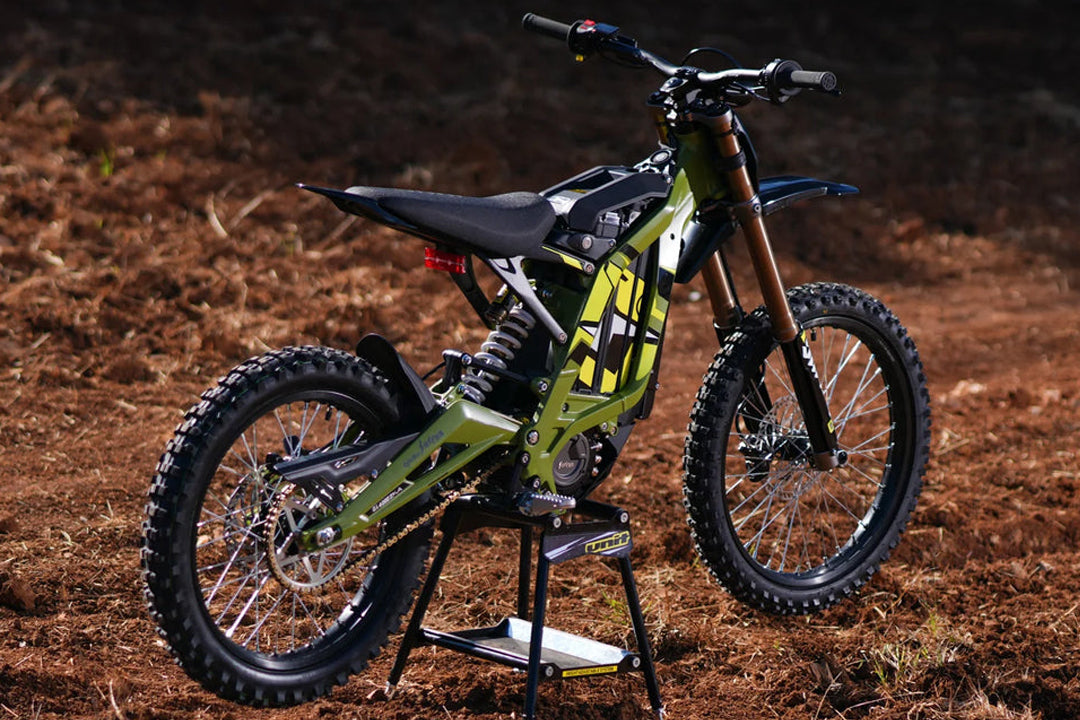
Power meets chaos: the electric bike dirt craze isn’t all torque and glory—pick wrong, and you’re hauling regret uphill. Choose smart.
The electric bike dirt scene isn’t just buzzing—it’s ripping through trails like a silent rocket. One minute you’re grinning at that instant torque, the next you’re knee‑deep in spec sheets wondering what actually matters. Horsepower? Battery range? Suspension travel? It’s easy to get sold on hype and end up with a bike that wheezes halfway up your favorite hill.
Here’s the rub: power without control feels like handing a teenager espresso and car keys. The U.S. e‑bike market hit over $1.3 billion in 2023 (Light Electric Vehicle Association), and flashy numbers are everywhere. As Consumer Reports puts it, “Range claims vary widely based on riding style and terrain.” Translation? Real dirt eats batteries for breakfast.
Pick smart, and you’re flying. Pick wrong, and you’re pushing 150 pounds of regret uphill.
Quick Answers: Electric Bike Dirt Essentials
-
Balance Power and Control: Opt for a motor with high torque (Nm) and smooth power delivery to conquer steep, loose terrain without wheel spin.
-
Maximize Range and Runtime: Choose a battery with adequate voltage and amp-hours, plus fast-charge or removable options to keep you rolling on long trail days.
-
Optimize Ride Comfort: Invest in quality suspension travel, hydraulic brakes, and a durable, lightweight frame to maintain stability, stopping power, and agility over rough off-road sections.

5 Key Factors When Buying a Dirt E-Bike
Getting the right electric bike dirt setup isn’t just about looks. Power, battery, suspension, brakes, and frame all shape how your electric bike dirt handles rough trails. If you’re eyeing a serious electric dirt bike, these five factors will make or break your ride.
Choosing the Right Motor Power for Off-Road Performance
When picking an electric bike dirt machine, motor power defines the vibe of your ride.
-
Core Output Metrics
-
Wattage and continuous power keep performance steady on long dirt climbs.
-
Peak power boosts quick bursts when you need sharp acceleration.
-
Torque controls grunt for tight turns and loose gravel traction.
-
-
Trail Performance Impact
-
Strong hill climbing ability reduces strain on steep paths.
-
Smooth throttle response improves control on soft dirt.
-
Balanced delivery prevents wheel spin on rocky electric bike dirt tracks.
-
For riders comparing models, hezzobike tunes output for both punch and control, which matters when your electric dirt bike hits unpredictable terrain.
How Battery Life and Charging Speed Impact Your Ride
A solid electric bike dirt experience depends heavily on battery capacity and range.
-
Battery Performance
-
Higher voltage supports sustained output.
-
Reliable battery chemistry extends recharge cycles.
-
-
Charging Convenience
-
Shorter charging time keeps downtime low.
-
A removable battery makes charging simple at home or camp.
-
Fast charging suits long electric bike dirt weekends.
-
Short ride. Quick top-up. Back on the dirt. That’s the goal.
Suspension Systems: What Makes a Good Off-Road Ride?
On any electric bike dirt trail, suspension keeps things smooth but controlled.
-
Front and Rear Setup
-
Quality front suspension with proper fork type improves steering precision.
-
Responsive rear suspension and tuned shock absorber absorb hard hits.
-
-
Technical Adjustments
-
Longer suspension travel handles jumps and roots.
-
Adjustable damping fine-tunes comfort.
-
Air suspension offers lighter feel; coil suspension provides steady feedback.
-
Dial it right, and your electric dirt bike won’t beat you up after miles of dirt riding.
Braking Power: Hydraulic vs. Disc Brakes for Dirt Bikes
Stopping power on electric bike dirt paths is serious business.
-
Brake type comparison
-
Hydraulic brakes deliver stronger stopping power with better brake modulation.
-
Mechanical disc brakes are simpler but may fade under stress.
-
-
Key Details
-
Larger rotor size improves heat control.
-
Durable pad material lasts longer in mud and sand.
-
Consistent braking builds confidence on downhill electric bike dirt runs.
-
Frame Durability: Why Material and Weight Matter
The backbone of any electric bike dirt build is the frame material.
-
Material Choices
-
Aluminum alloy balances weight and durability.
-
Carbon fiber reduces weight while increasing frame stiffness.
-
-
Ride Geometry
-
Smart frame geometry improves balance.
-
Higher load capacity supports aggressive riding.
-
Stable wheelbase keeps your electric bike dirt ride planted.
-
A tough yet lightweight frame transforms how your electric dirt bike feels on every stretch of dirt.
Battery Capacity vs. Range: What to Choose?
Riders shopping for an electric bike dirt setup usually want more miles, more punch, and less waiting around to charge. But range, power, and convenience always push against each other.
How Battery Voltage Affects Range and Performance
On an electric bike dirt build, voltage shapes how the ride feels the second you twist the throttle.
-
Power Delivery
-
Battery voltage directly impacts motor power output.
-
Higher voltage boosts torque, which helps in sand or loose dirt.
-
Stronger current flow supports higher top speed on open trails.
-
-
Climbing and Control
-
More voltage improves hill climbing without straining the motor.
-
Stable output reduces spikes in energy consumption on rough terrain.
-
-
Real-World Trail Use
-
On an electric dirt bike, low voltage feels sluggish in mud.
-
A well-matched system keeps your electric bike dirt ride smooth and responsive.
-
Brands like hezzobike tune voltage and controller balance so dirt electric bike riders get steady pull, not jerky bursts.
Charge Time vs. Battery Capacity: Which is More Important?
Bigger battery capacity means longer riding duration. That sounds perfect for an all-day electric bike dirt trip. But here’s the catch: more amp-hours usually mean longer charge time.
-
High capacity = more travel distance
-
Fast recharge speed = better daily convenience
Think about your routine.
Short weekday blasts on your e dirt bike? Faster charging wins.
Weekend backcountry loops? Extra range matters more.
A balanced electric bike dirt setup often pairs moderate capacity with smart charging tech. That way, you’re not stuck waiting half a day just to hit the dirt again.
Understanding the Trade-Offs Between Removable Batteries and Range
Choosing between removable batteries and integrated batteries changes how your electric bike dirt performs and feels.
-
Range and Weight
-
Integrated batteries often allow higher capacity and extended range.
-
They improve frame stiffness but add battery weight.
-
-
Flexibility and Maintenance
-
Removable batteries simplify maintenance.
-
Swapping batteries extends trail time without waiting to charge.
-
-
Security and Daily Use
-
Removable packs improve security in urban parking.
-
Integrated systems look cleaner and feel solid on rough dirt electric bike routes.
-
For riders eyeing serious electric bike dirt adventures, hezzobike offers options that balance range with real-world flexibility, so you’re not stuck choosing power over practicality.
Which Motor Torque Suits Your Off-Road Adventures?
Riding an electric bike dirt trail isn’t just about speed; it’s about how your motor feels when the climb gets nasty. From loose gravel to steep forest gradients, your electric bike dirt setup depends on smart torque choices. Let’s break down how electric, bike, and dirt performance connect so your ride stays strong, smooth, and seriously fun.
Peak Power vs. Torque: What’s the Best for Climbing Hills?
When your electric bike dirt machine hits a sharp gradient, the real hero is torque, not flashy peak power numbers.
-
Core Performance Factors
1.1 Torque and Hill Climbing
-
High torque (Nm) delivers steady pull at low speed.
-
Crucial for technical hill climbing on rocky dirt bike trails.
-
Supports balance when traction is sketchy.
1.2 Peak Power and Acceleration
-
Peak power (W) boosts short bursts of acceleration.
-
Helps during overtakes or fast trail exits.
-
Less effective alone for long sustained effort climbs.
-
-
Motor Output Comparison Table
| Motor Type | Peak Power (W) | Torque (Nm) | Max Gradient (%) | Sustained Effort (min) |
|---|---|---|---|---|
| 500W Hub | 500 | 45 | 18 | 12 |
| 750W Hub | 750 | 60 | 22 | 15 |
| 1000W Mid | 1000 | 85 | 30 | 20 |
| 1200W Mid | 1200 | 100 | 35 | 25 |
-
Practical Takeaways for Electric Dirt Riding
3.1 Steep forest climbs → prioritize 80Nm+ torque.
3.2 Mixed terrain → balance motor output and cooling for longer sustained effort.
3.3 Sand hills → smooth delivery beats raw peak power spikes.
For riders serious about electric bike dirt adventures, brands like hezzobike tune motors for controlled torque curves, not just headline wattage. That’s what keeps your electric dirt bike moving when gravity starts talking trash.
How Motor Output Influences Off-Road Performance
Your motor output shapes the whole off-road vibe—how the throttle reacts, how the tires grip, and how long you can push through rough terrain.
-
Traction and Control
Strong torque improves traction in mud and sand. Too much instant power? You spin out. Balanced output keeps control tight.
-
Speed vs. Endurance
High wattage increases top speed, but steady delivery improves endurance on long dirt tracks.
Now break it down step by step for real-world riding:
-
On rocky climbs
-
Moderate speed
-
High torque
-
Controlled throttle
-
-
On open dirt roads
-
Higher peak power
-
Smooth acceleration
-
Monitor battery draw
-
-
On soft sand
-
Lower tire pressure
-
Consistent motor output
-
Avoid sudden power spikes
-
Many riders switching to an electric dirt bike notice that smarter tuning matters more than raw numbers. That’s why hezzobike focuses on matching motor output to real off-road performance, not just lab specs.
At the end of the day, mastering electric bike dirt riding means understanding how electric systems, bike geometry, and dirt conditions work together. Get the torque right, and every climb feels less brutal and a lot more fun.
Versus: Hub Drive vs. Mid-Drive Systems
Choosing the right motor setup can totally change how your electric bike dirt ride feels on rough trails. For riders chasing better control on electric dirt tracks, understanding motor placement makes a real difference.
Hub Drive Motors: Pros and Cons for Off-Road Use
When riding an electric bike dirt trail, hub motors shift the bike’s balance in noticeable ways.
-
Performance Factors
-
Torque output
-
Direct power to the wheel
-
Less mechanical loss
-
-
Weight distribution
-
Rear-heavy feel
-
Front wheel may lift on steep climbs
-
-
Efficiency on loose terrain
-
Works well on flat dirt roads
-
Struggles slightly on rocky inclines
-
-
-
Trail Impact
-
Climbing ability
-
Limited gear interaction
-
Higher strain on steep hills
-
-
Durability
-
Fewer moving parts
-
Sealed design handles mud and dust
-
-
Maintenance
-
Simple servicing
-
Wheel removal takes extra care
-
-
Quick snapshot for electric dirt bike riders:
-
Lower upfront cost
-
Straightforward setup
-
Predictable power feel
Still, on tight electric bike for dirt tracks with sharp switchbacks, that rear bias can feel a bit clunky.
Mid-Drive Motors: A Better Option for Terrain Variety?
Mid-drives change the vibe of an electric bike dirt setup by working through the drivetrain.
-
Mechanical Advantage
-
Gear integration
-
Uses full cassette range
-
Boosts hill climbing control
-
-
Power delivery
-
Feels smoother
-
Adjusts with cadence
-
-
Extended battery life
-
Efficient under load
-
Better energy use on long rides
-
-
-
Handling Benefits
-
Lower center of gravity
-
Balanced ride feel
-
Improved traction
-
-
Confidence on technical trails
-
Easier obstacle clearing
-
Better line correction
-
-
For riders switching from a basic e dirt bike to a mid-drive electric dirt bike, the change feels sharp. Less wheel spin. More grip. On mixed terrain, it simply rides smarter.
Step-by-Step Battery Swapping Guide
Swapping a battery on your electric bike dirt setup isn’t rocket science, but it’s not guesswork either. If you ride hard on dirt trails, mud tracks, or rocky hills, getting your electric bike, dirt e-bike, or electric dirt bike battery right keeps the fun going.
How to Choose a Compatible Replacement Battery
When replacing a pack on an electric bike dirt build, compatibility comes down to smart matching, not brand guessing.
-
Core Electrical Matching
-
Voltage requirements
-
Match the exact system voltage (48V, 52V, 60V).
-
Confirm motor controller compatibility before buying.
-
-
Capacity needs
-
Compare current battery type specs.
-
Select proper Ah rating based on ride distance and torque demand.
-
-
-
Physical & Mechanical Fit
-
Physical dimensions
-
Measure length, width, height inside frame.
-
Check clearance for rear suspension travel on a dirt electric bike.
-
-
Locking design
-
Confirm latch alignment with frame rail.
-
Ensure battery rail slides without force.
-
-
-
Connection & Charging
-
Connector compatibility
-
XT60, XT90, Anderson—match exactly.
-
Inspect pin layout and polarity.
-
-
Charging system
-
Verify charger voltage output.
-
Confirm BMS supports your existing setup.
-
-
For aggressive off-road riders, hezzobike models are engineered with clear labeling for connectors and voltage, which takes the guesswork out of upgrading an electric dirt bike battery.
Removing and Installing a Battery: Step-by-Step Process
Working on an electric bike dirt machine? Keep it clean and safe.
-
Safety precautions
-
Power off display.
-
Remove key.
-
Wait 30 seconds for capacitor discharge.
-
Next, gather basic tool requirements: hex keys, insulated gloves, soft cloth.
Accessing the battery housing access panel usually means:
-
Unlocking the frame latch.
-
Supporting battery weight underneath.
-
Sliding it outward slowly.
For the disconnection procedure, avoid pulling wires. Grip the connector body. Check for corrosion or dirt buildup—common on electric bike dirt trails.
During the connection procedure:
-
Align pins carefully.
-
Push firmly until seated.
-
Listen for locking click.
Finish by securing the battery and testing functionality:
-
Turn on display.
-
Check voltage reading.
-
Spin wheel lightly to confirm motor engagement.
If you ride electric dirt bike trails often, wipe contacts before closing. Dirt sneaks everywhere.
Understanding Battery Voltage and Amp-Hours in Swapping
Battery math matters on an electric bike dirt setup. Wrong numbers can fry a controller fast.
-
Voltage matching
-
Must equal controller rating.
-
Impacts power output and torque feel.
-
-
Amp-hour calculation
-
Higher Ah = longer range.
-
Affects discharge rate and heat buildup.
-
-
Range estimation factors
-
Rider weight.
-
Terrain resistance.
-
Tire pressure.
-
| Voltage (V) | Amp-Hours (Ah) | Est. Range (miles) | Avg. Charging Time (hrs) |
|---|---|---|---|
| 48 | 10 | 20–25 | 4–5 |
| 48 | 15 | 30–35 | 5–6 |
| 52 | 15 | 35–40 | 5–6 |
| 60 | 20 | 45–55 | 6–8 |
| 72 | 25 | 60+ | 8–10 |
Higher voltage boosts snap on dirt climbs, but only if your power output system supports it. Riders upgrading hezzobike platforms often stick to factory voltage to protect electronics.
Tips for Maximizing Battery Life After Swapping
Battery care on an electric bike dirt ride is all about habits.
• Smart charging habits: unplug at 90% for daily use.
• Stable storage conditions: keep between 10–25°C.
• Respect temperature effects: avoid charging right after a hard trail ride.
Short rides? Don’t push into avoiding deep discharge territory. Keep charge above 20%.
Do basic regular maintenance:
-
Clean terminals monthly.
-
Check mounting bolts.
-
Inspect casing for cracks after rough dirt e-bike runs.
Lastly, don’t ignore software updates if your system supports them. Updated firmware can improve battery calibration and range accuracy.
Ride hard, sure—but treat your electric bike dirt battery right, and it’ll keep showing up for every muddy weekend.
Too Heavy? Lightweight E-Bike Dirt Solutions
Riding an electric bike dirt trail should feel quick and controlled, not like wrestling dead weight. If your electric bike, dirt setup feels bulky, smart design choices fix that fast. From frame build to tire grip, small tweaks change the whole ride.
The Importance of Frame Material in Reducing Weight
When tuning an electric bike dirt machine, start with frame material:
-
Material Options
-
Aluminum alloy: solid balance of cost and weight reduction.
-
Carbon fiber: lighter feel, sharp response on tight dirt lines.
-
Titanium: smooth ride quality with impressive durability.
-
-
Performance Impact
-
Lighter frame design improves lift over roots.
-
Reduced bulk sharpens corner handling.
-
-
Trail Benefits
-
Better ground clearance on electric dirt bike climbs.
-
Less rider fatigue over long dirt sessions.
-
Brands like hezzobike focus on advanced frame design to keep electric bike dirt builds agile without feeling fragile.
Wheelbase and Ergonomics: Finding the Right Balance
A stretched wheelbase adds stability at speed. A shorter one boosts handling in tight dirt turns. It’s a trade-off, and your riding style decides.
Dial in ergonomics through smart rider position. Lowering the center of gravity keeps your electric bike dirt setup planted on loose soil. Pair that with tuned suspension geometry, and the bike tracks straight instead of bouncing around.
Quick checks for better balance:
-
Seat height that allows active movement
-
Bars aligned with natural arm bend
-
Suspension sag matched to rider weight
hezzobike designs aim for that sweet spot—stable on straights, lively in corners.
Tires and Wheels: How to Choose for Better Weight Distribution
For electric bike dirt performance, wheels matter more than most riders admit.
-
Tire Setup
-
Match tire size to terrain type.
-
Softer tire compound grips loose dirt better.
-
A tubeless setup trims rotating weight.
-
-
Wheel Structure
-
Larger wheel diameter rolls smoother over rocks.
-
Higher spoke count increases strength on hard hits.
-
Lightweight rim material improves overall weight distribution.
-
-
Trail Feel
-
Balanced wheels prevent front-heavy drift.
-
Proper setup keeps your electric bike dirt ride responsive, not sluggish.
-
Get these details right, and your electric dirt bike feels lighter the moment you hit the trail.
FAQs about Electric Bike Dirt
What motor power works best for electric bike dirt trails?
Riding loose climbs and tight switchbacks demands more than raw wattage. You need controlled muscle.
-
Wattage & horsepower: Higher numbers help on steep grades.
-
Torque & peak power: Strong low-end torque keeps traction on sand and rocks.
-
Power delivery: Smooth motor output prevents wheel spin.
-
Motor controller & throttle response: Precise tuning and responsive riding modes make technical sections feel predictable instead of wild.
For aggressive riders, balanced power matters more than just big numbers.
How do battery specs affect range and ride feel?
Battery performance shapes both distance and confidence on long dirt sessions.
-
Voltage – Higher voltage supports stronger acceleration and steady uphill pull.
-
Amp-hours – Directly influence range across uneven terrain.
-
Removable battery & charge time – Easier swaps and faster turnaround between rides.
-
Battery life – Consistent charging habits extend long-term reliability.
A well-matched pack keeps power steady when trails get demanding.
Why is suspension and frame design critical off-road?
Rough terrain tests both comfort and control.
-
Long-travel front forks and a tuned rear shock absorb repeated hits.
-
Proper damping adjustment adapts to mud, rocks, or hardpack.
-
The right off-road suspension type reduces fatigue on long rides.
Frame and geometry complete the picture:
| Feature | Why It Matters on Dirt |
|---|---|
| Frame material | Balances durability and weight |
| Ground clearance | Prevents bottoming on obstacles |
| Wheelbase | Adds stability at speed |
| Ergonomics | Supports better body positioning |
When suspension and frame work together, confidence rises instantly.
What improves braking control and tire grip on electric bike dirt rides?
Speed feels thrilling—until you need to slow down fast.
• Hydraulic brakes offer stronger braking power and smoother control than basic disc brakes.
• Larger rotor size improves heat control on long descents.
• Some systems add regenerative braking for light energy recovery.
Grip comes from the ground up:
-
Proper tire size and wide knobby tires bite into loose soil.
-
Strong rim strength protects against hard landings.
-
Balanced wheel diameter improves stability and roll-over ability.
Stopping power and tire grip turn chaos into control.
Aktie:
Electric Dirt Motorcycle vs. Gas Bikes: Which Should You Buy?
The Ultimate Parent’s Guide to the Razor MX125 Electric Dirt Bike