
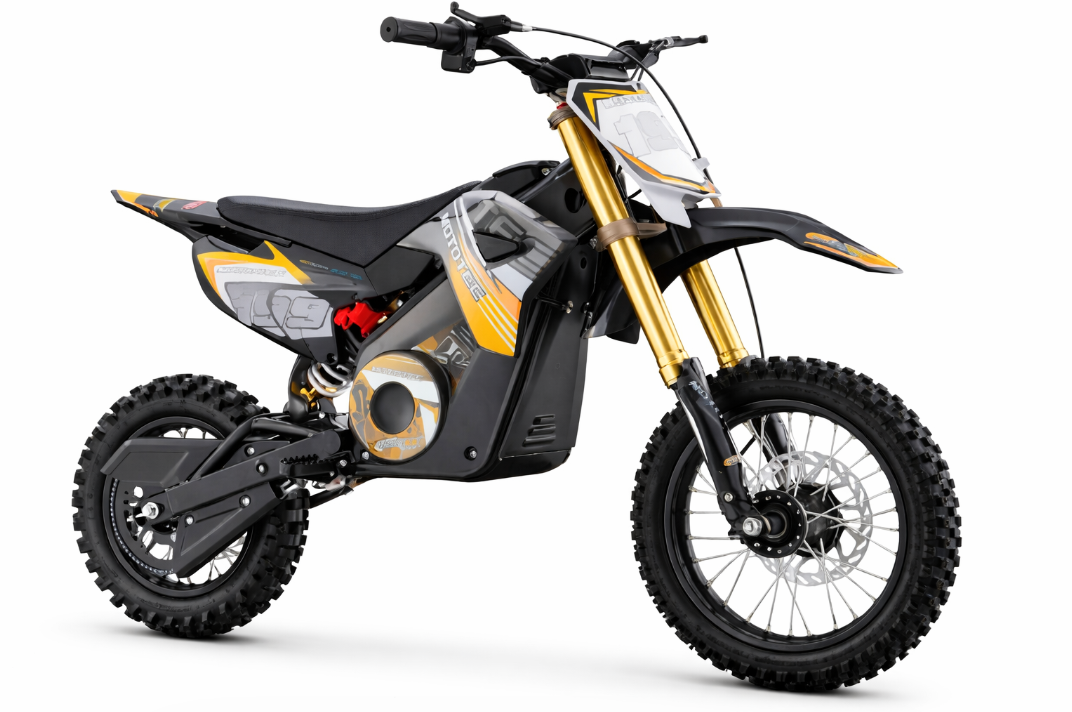
When the roar goes quiet, profits speak louder—see why fleets bet big on the ebike dirt bike for cleaner torque and calmer maintenance bills.
The ebike dirt bike isn’t just a shiny new toy on the trail—it’s the quiet kid in class who suddenly outruns the star quarterback. Gas bikes still roar like a Friday night football crowd, but fleet buyers and bulk purchasers are staring at spreadsheets, not spark plugs. Fuel deliveries, oil changes, engine rebuilds—those bills stack up faster than firewood in October. And when you’re managing ten, twenty, fifty bikes, “a little maintenance” turns into a full-time headache.
The International Energy Agency reported in its Global EV Outlook 2023 that electric vehicle sales topped 14 million units worldwide, signaling a serious shift in how industries power movement. As the IEA puts it, “Electric vehicles are entering the mainstream.” Off-road mobility isn’t exempt from that momentum.
So here’s the rub: do you stick with the rumble you know, or bet on quieter torque, fewer moving parts, and charging instead of fueling? This isn’t about hype—it’s about uptime, margins, and sanity.
4 Key Cost Differences: Electric Vs. Gas Dirt Bikes
Jumping into the ebike dirt bike world feels exciting, but the real talk always comes down to cost. An electric dirt bike and a gas-powered dirt bike may look similar on the trail, yet the money story plays out differently. From checkout price to long-term ownership, here’s how dirt bike buyers really stack up the numbers.
Upfront Investment: Motor Power vs Engine Displacement Value
When sizing up an ebike dirt bike against a gas model, the sticker price ties closely to core performance parts:
-
Electric side
-
Electric motor power
-
Higher watt output raises Initial purchase price
-
Directly impacts torque-based Performance metrics
-
-
Battery system
-
Capacity links to range expectations
-
Reflects current Technology generation
-
-
Frame construction
-
Reinforced frames for battery weight
-
Integrated electronics housing
-
-
-
Gas side
-
Gas engine displacement
-
Larger cc equals stronger top-end pull
-
Adds mechanical complexity
-
-
Emissions hardware
-
Required for compliance
-
Increases production cost
-
-
Brands like hezzo balance power and smart Frame construction, giving riders solid value in the electric dirt bike space without pricing it out of reach.
Energy Costs Compared — Charging Time, Fuel Use, and Range per Charge
Operating an ebike dirt bike shifts spending from pump to plug.
-
Electric dirt bike costs
-
Electricity cost per charge
-
Depends on local rate
-
Influenced by Energy consumption rate
-
-
Battery range
- Changes with terrain and throttle habits
-
Charging infrastructure
-
Home outlet vs fast charger
-
Impacts Refueling time comparison
-
-
-
Gas dirt bike costs
-
Gasoline cost per gallon
- Fluctuates with market pricing
-
Fuel efficiency
- Affected by engine size and tuning
-
Quick Refueling time
- Minutes, not hours
-
For riders clocking frequent laps, the ebike dirt bike often wins on predictable day-to-day energy spend.
Maintenance Spend: Service Intervals, Component Lifespan, and Spare Parts Availability
Cost over time splits into routine care and part wear.
-
Electric platform
-
Electric motor service
-
Minimal moving parts
-
Longer service intervals
-
-
Battery replacement cost
- Major future expense
-
Shared wear parts
-
Tire wear
-
Brake pad longevity
-
Chain and sprocket life
-
Suspension service
-
-
-
Gas platform
-
Gas engine maintenance
- Oil, filters, valve checks
-
Combustion-related wear
- Higher heat stress
-
A well-built ebike dirt bike from hezzo cuts down workshop visits, which riders appreciate when weekends are tight.
Hidden Ownership Costs in Storage Conditions and Deployment Strategy
Long-term ownership goes beyond riding.
-
Electric considerations
-
Battery degradation
- Speeds up under poor care
-
Storage temperature impact
- Cold and heat reduce efficiency
-
Usage planning
- Frequent deep discharge affects lifespan
-
-
Gas considerations
-
Fuel storage rules
-
Environmental regulations
-
Evaporation losses
-
Shared factors apply to both:
-
Insurance premiums
-
Registration fees
-
Resale value
-
Riding Usage patterns
For anyone weighing an ebike dirt bike against a traditional dirt bike, these behind-the-scenes costs often tip the scale more than the upfront tag.
How Ebike Dirt Bike Performance Stacks Against Gas
Electric rides are changing the game. An ebike dirt bike throws down instant pull, while gas machines still flex raw top-end muscle. Riders comparing an electric dirt bike to a traditional dirt bike usually care about torque, speed, and trail feel. Here’s how an ebike dirt bike stacks up in real-world action.
Instant Torque Output vs Traditional Acceleration Curves
When riders crack the throttle on an ebike dirt bike, the story unfolds like this:
-
Throttle response
-
Electric system
-
Immediate instant torque
-
Smooth power delivery
-
-
Gas engine
-
Builds along the torque curve
-
Dependent on rising engine RPM
-
-
-
Acceleration control
-
Electric dirt bike
-
No gear shifts
-
Linear acceleration out of corners
-
-
Gas dirt bike
-
Requires clutch timing
-
Power spikes at peak RPM
-
-
-
Real-world feel
-
Tight trail riding favors snap and traction.
-
Open straights reward rev-happy engines.
-
Brands like hezzo tune controller mapping so the power delivery feels clean, not jerky, which matters on loose off-road terrain.
Top Speed Limits Across Different Terrain Suitability
Top speed tells only part of the story. Terrain and surface conditions shape usable speed capability and handling.
| Bike Type | Claimed Top Speed | Trail Riding Avg | Off-Road Stability | Urban Control |
|---|---|---|---|---|
| 250cc Gas Dirt Bike | 70–85 mph | 35 mph | High at speed | Moderate |
| 450cc Gas Dirt Bike | 90+ mph | 40 mph | Demands skill | Low |
| 8kW Ebike Dirt Bike | 50–60 mph | 38 mph | Consistent | High |
| 12kW Ebike Dirt Bike | 65–75 mph | 42 mph | Strong grip | High |
| hezzo Performance Model | 70 mph | 45 mph | Balanced | High |
On tight off-road routes, an ebike dirt bike often maintains steadier pace because there’s no lag between input and drive.
Climbing Ability Under Variable Power Modes
Hill performance breaks down into clear layers:
-
Power modes
-
Eco
-
Reduced motor output
-
Better traction on loose terrain gradient
-
-
Sport
- Aggressive torque for sharp hill climb
-
-
Rider technique
-
Electric dirt bike
- Simple rider input through throttle
-
Gas dirt bike
- Clutch balance and rev control
-
-
Surface response
-
Wet rock needs smooth torque.
-
Sand demands steady pull.
-
An ebike dirt bike shines on technical climbs because climbing ability ties directly to controlled torque, not rev spikes.
Suspension Travel and Frame Material Impact on Handling
Handling comes down to hardware:
-
Suspension travel
-
Longer travel
-
Better shock absorption
-
Improved ride quality
-
-
Shorter setups
- Sharper feel on hardpack
-
-
Frame material
-
Reinforced aluminum
-
Supports battery weight
-
Stabilizes weight distribution
-
-
Steel
- Durable but heavier
-
-
Integrated chassis design
-
Battery placement lowers center of gravity.
-
Balanced handling through corners.
-
A dialed electric dirt bike, especially from hezzo, blends smart frame material choices with tuned suspension travel, giving the ebike dirt bike a planted, confident vibe on trail or track.
Ebike Dirt Bike Range: Real-World Riding Tests
Real trail time tells the truth. An ebike dirt bike behaves differently on sand, hills, and cold mornings. This breakdown looks at real numbers, smart riding habits, and how to keep your electric dirt bike pushing strong.
Range per Charge Across Mixed Terrain and Temperature Tolerance
When testing riding range on an ebike dirt bike, three forces shape results:
-
Terrain Type Impact
-
Flat gravel
-
Stable performance consistency
-
Moderate power delivery consistency
-
-
Rocky climbs
-
Higher torque draw
-
Reduced charge duration
-
-
Deep sand
-
Peak environmental factors resistance needed
-
Fast battery drain
-
-
-
Temperature Effects
-
25°C: Optimal output
-
5°C: Noticeable drop in efficiency
-
-5°C: Reduced riding range, slower throttle response
-
-
Rider Load Variables
-
Body weight
-
Cargo
-
Tire pressure
-
| Terrain Type | Avg Temp (°C) | Riding Range (km) |
|---|---|---|
| Gravel Trail | 25 | 72 |
| Rocky Hill | 15 | 58 |
| Sand Track | 30 | 49 |
Brands like hezzo tune controllers to keep output steady across mixed ground, helping the ebike dirt bike stay predictable.
Battery Capacity vs Riding Style — What Really Drains Power?
Battery capacity sounds huge on paper. Real life is different.
Hard throttle hits spike power consumption. Heavy rider weight plus steep terrain impact? That stacks up fast.
Quick breakdown:
-
Aggressive throttle input → lower energy efficiency
-
Cruising in eco → smoother discharge
-
Sustained top speed → rapid voltage drop
On an electric dirt bike, chill riding can stretch range by 18–25%. Push it like a race bike and that buffer disappears. A well-balanced ebike dirt bike from hezzo feels lively without burning through charge too fast.
Dust Resistance and Water Ingress Protection in Long-Distance Use
Long miles test dust resistance and water ingress protection hard.
-
Dry Desert Riding
-
Fine dust infiltration
-
Motor casing stress
-
Increased maintenance needs
-
-
-
Wet Trail Exposure
-
Mud splash zones
-
Connector sealing
-
Battery housing integrity
-
-
-
Component Sealing Hierarchy
-
External gaskets
-
Internal cable routing
-
Controller compartment shielding
-
Strong durability equals long-distance reliability. A sealed ebike dirt bike shrugs off grime, keeps connectors clean, and avoids random shutdowns mid-ride. That’s huge when your electric dirt bike is miles from the truck.
Which Dirt Bike Feels More Powerful?
When riders argue about power, the talk usually circles back to feel. An ebike dirt bike hits different from a gas rig, and that snap off the line can surprise anyone used to throttle lag. From electric dirt bike torque to classic motocross pull, it’s all about how power shows up under your boots.
Torque Output and Acceleration
-
Instant torque defines how an ebike dirt bike reacts:
-
Motor delivers force the second you twist the grip.
-
No clutch slip, no waiting on revs.
-
Sharp throttle response creates a punchy acceleration curve.
-
-
Gas-powered dirt bikes rely on:
-
Rising RPM to unlock peak horsepower.
-
Tuned gear ratios to stay in the powerband.
-
Balanced weight distribution for traction under load.
-
-
Real-world feel on an electric dirt bike:
-
Short bursts feel stronger.
-
Mid-range stays smooth.
-
Top-end depends on controller limits.
-
hezzo models tune that launch so an ebike dirt bike feels alive but controlled, not wild.
Power Modes and Rider Aids
-
Control systems reshape performance on an ebike dirt bike:
-
Riding modes
-
Eco for traction-heavy trails.
-
Sport for aggressive track laps.
-
-
Throttle mapping
-
Soft curve for beginners.
-
Direct curve for instant lift.
-
-
-
Stability tech layers:
-
Traction control
-
Reduces wheel spin on loose dirt.
-
Adjusts output in milliseconds.
-
-
Anti-wheelie
- Keeps the front predictable.
-
ABS
- Adds braking confidence.
-
With hezzo, switching modes mid-ride feels natural, giving the ebike dirt bike a custom vibe for every rider.
Noise Levels and Perceived Performance
-
Sensory feedback changes how power feels:
-
Sound signature
-
Gas engines roar.
-
Electric motors hum.
-
-
Vibration
-
Pistons shake frames.
-
Electric drive stays smooth.
-
-
-
Rider perception factors:
-
Auditory feedback boosts adrenaline.
-
Reduced engine braking alters corner entry.
-
Stronger rider immersion often comes from noise, not speed.
-
A quiet ebike dirt bike can feel slower, even when the numbers say it’s quicker. That contrast shapes true performance feel more than specs ever will.
Lubrication And Oil Changes: Gas Bike Hassle
Gas bikes can be fun, no doubt. But when it comes to grease, oil, and constant wrench time, things get old fast. Riders shifting from a gas model to an ebike dirt bike often notice the freedom right away—less mess, fewer shop visits, and more ride time on the dirt.
Frequent Service Intervals vs Low-Maintenance Electric Systems
Gas engines demand tight maintenance schedules and frequent oil changes. Compare that with an electric motor on an ebike dirt bike, and the difference is night and day.
-
Gas Dirt Bike
-
Service frequency
-
Oil swap every 10–15 hours
-
Filter replacement tied to riding conditions
-
-
Routine checks
-
Oil viscosity monitoring
-
Lubrication quality inspection
-
-
Labor costs
- Shop fees stack up quickly
-
-
Electric Dirt Bike
-
Electric motor
-
Sealed design
-
No oil system
-
-
Battery system
-
Software diagnostics
-
Minimal mechanical wear
-
-
| Bike Type | Avg Service Interval (hrs) | Annual Maintenance Cost ($) | Downtime (days/year) |
|---|---|---|---|
| Gas 250cc | 12 | 600–900 | 12–18 |
| Mid-size ebike dirt bike | 50+ | 150–300 | 3–5 |
| Youth e dirt bike | 60+ | 100–200 | 2–4 |
Brands like hezzo build electric systems that skip the whole oil drama entirely.
Component Lifespan Affected by Oil Dependency
Gas engines rely on constant lubrication. Miss one service window and engine wear creeps in.
Piston heat rises.
Internal components grind.
Piston rings thin out.
On a gas setup:
-
Poor lubrication quality
-
Delayed filter replacement
-
Declining gearbox health
That chain reaction shortens lifespan fast.
An electric dirt bike avoids that cycle. The electric motor runs with sealed bearings, and no combustion means fewer friction points. A well-built ebike dirt bike—like those from hezzo—keeps mechanical stress low and ride time high.
Warranty Terms and Long-Term Maintenance Planning
Ownership costs tell the real story.
-
Warranty coverage
-
Gas bikes often require strict maintenance records
-
Missed oil service can void claims
-
-
Service history
-
Documented oil work impacts resale value
-
Extra shop visits raise ownership costs
-
-
Electric models
-
Fewer exclusions
-
Optional extended warranty on the battery system
-
Simple preventative maintenance
-
With an ebike dirt bike, planning ahead feels manageable. No oil logs. No messy drains. Just charge up and ride. For riders choosing hezzo, that low-maintenance vibe isn’t hype—it’s everyday reality.

Final Verdict: Choosing Your Next Dirt Bike
Picking between gas and electric isn’t just specs on paper. Your riding spot, budget, crew size, and safety needs all shape the right call—especially when eyeing an ebike dirt bike or classic gas ripper.
Matching Terrain Suitability to Your Riding Environment
When dialing in an ebike dirt bike, terrain drives the decision.
-
Trail riding on narrow forest paths
-
Electric dirt bike perks
-
Smooth throttle for tight turns
-
Quiet ride where noise rules matter
-
-
Gas option strengths
- Longer range for backcountry loops
-
-
Harsh ground like rocky ascents and muddy conditions
-
Torque matters
-
An e dirt bike delivers instant pull uphill
-
Gas bikes keep steady power through deep mud
-
-
Tire setup for sandy trails or loose climbs changes the feel fast
-
-
Mixed use:
-
Weekend mountain biking style trails
-
Open desert runs
-
If your daily ride mixes short bursts and technical climbs, an ebike dirt bike feels lively and controlled. For long, remote runs, fuel range can still win. It’s about matching off-road capability to where you actually ride, not where you wish you rode.
Fleet Management and Bulk Deployment Considerations
Running a group of ebike dirt bikes for tours, rentals, or work crews shifts the focus from fun to logistics.
-
Power systems
-
Electric fleet
-
Central charging infrastructure
-
Predictable maintenance schedule
-
-
Gas fleet
-
Ongoing fueling logistics
-
Fluid checks and engine servicing
-
-
-
Cost control
-
Track operational costs
-
Electricity rates vs fuel supply
-
Parts replacement cycles
-
-
Protect fleet uptime
-
Swappable batteries for electric dirt bike models
-
Spare carburetor and filter kits for gas units
-
-
-
Storage
-
Indoor storage solutions with outlets for each ebike dirt bike
-
Ventilated sheds for fuel-powered units
-
For large deployments, serviceability matters more than top speed. An ebike dirt setup cuts oil changes and engine rebuilds, which keeps crews riding instead of wrenching.
Customization Options and Accessory Compatibility for Scaling
Some riders want plug-and-play. Others can’t leave a bike stock for a week.
Start with performance:
-
Suspension upgrades for heavier riders or gear loads.
-
Smart tire selection for mud, sand, or hardpack.
-
Tweaks to motor performance on an electric dirt bike for sharper response.
Then comfort:
-
Ergonomic adjustments like bar height and seat padding.
-
Extra battery capacity for longer trail days on an ebike dirt bike.
Add-ons that make work easier:
-
Lighting kits for early starts.
-
Rear storage racks for tools or supplies.
Scaling a fleet of ebike dirt bikes gets simpler when platforms share mounting points and connectors. One accessory kit, multiple bikes. Less guesswork. More ride time.
Safety Features That Matter — Braking System, Lighting, and Kill Switch
Safety gear isn’t flashy, yet it’s what saves the day when things go sideways.
-
Braking control
-
Hydraulic brakes for strong, consistent stopping
-
Regenerative braking on an ebike dirt bike to slow down while feeding power back
-
-
Visibility
-
Bright LED lighting
-
Front headlights for dusk trail riding
-
Rear taillights so others track your line
-
-
-
Immediate shutoff
-
Easy-reach emergency kill switch
-
Smooth throttle control to prevent jerky launches
-
For shared fleets or younger riders, these features aren’t optional extras. An electric dirt bike with solid brakes and clear lighting feels predictable. That confidence changes how people ride. And when your ebike dirt bike feels steady under pressure, you push limits a little smarter—not just harder.
FAQs about Ebike Dirt Bike
What makes an ebike dirt bike more cost-effective for fleet buyers?
For fleet managers, the savings show up month after month—not just on day one.
-
Lower service intervals: no oil changes, fewer moving parts, longer component lifespan
-
Energy savings: centralized charging time planning replaces fuel logistics
-
Simplified fleet management: fewer spare parts, predictable warranty terms
Cost Factor Ebike Dirt Bike Gas Bike Routine Service Brake checks, software updates Oil, filters, spark plugs Energy Source Battery capacity + charging time Fuel supply chain Downtime Short, modular swaps Longer mechanical repairs Over a year of heavy terrain use, reduced maintenance and quieter operation cut operating strain and labor overhead. How do power modes improve performance across terrains?
Riders feel the difference the moment the terrain shifts.
-
Low mode: smoother torque output, stronger traction control for mud and tight trails.
-
Mid mode: balanced acceleration and climbing ability for mixed terrain suitability.
-
High mode: sharper top speed and rapid acceleration for open stretches.
Motor power and battery capacity work together to keep range per charge stable, even when suspension travel is fully tested on rocky climbs. Unlike gas engines that fade at altitude, electric torque stays consistent—steady, immediate, controlled.
Which durability factors matter before large-scale deployment?
Long-term use in harsh environments exposes every weakness.
-
Frame material + suspension travel: handle load stress and aggressive riding
-
Dust resistance & water ingress protection: critical for desert or wet trails
-
Temperature tolerance & storage conditions: protect battery capacity during off-season
Add reliable braking system performance, strong lighting system visibility, and clear spare parts availability. For commercial deployment strategy, easy assembly complexity and clear shipping requirements reduce rollout friction.
Durability is not a spec sheet number—it’s the difference between confident riders and sidelined units.
-
Compartir:
Beta Electric Dirt Bike Review: Is the Explorer Worth the Hype?
How to Choose the Perfect Big Electric Dirtbike for Your Needs