
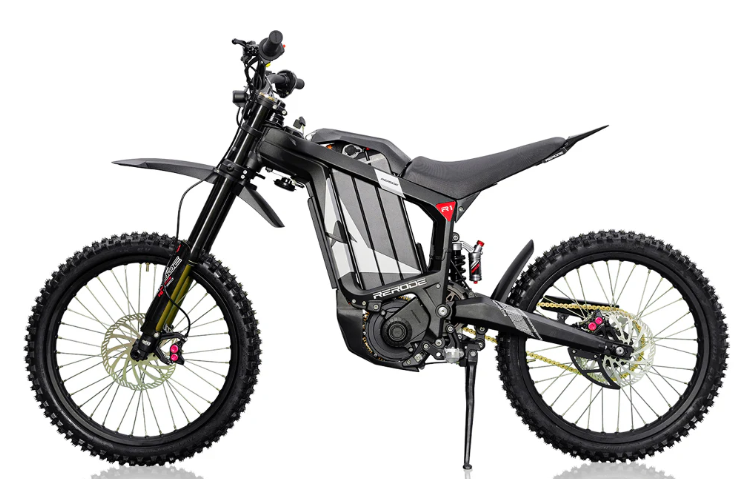
Trade gas fumes for instant torque thrills—an electric dirtbike turns wrench time into pure ride time. Ready to smoke the trail in silence?
The electric dirtbike isn’t just a new toy in the garage—it’s that quiet kid at the trailhead who suddenly smokes everyone off the line. You twist the throttle and—boom—instant torque, no engine tantrums, no gas can sloshing in your truck bed. Meanwhile, your buddy’s still kicking his carb like it owes him money. The real question isn’t hype. It’s simple: do you want less wrench time and more ride time?
“Electric two‑wheelers are gaining serious ground in the U.S.,” notes the IEA’s 2025 Global EV Outlook.
The spark’s already lit.
Quick Answers: electric dirtbike Essentials
-
Upfront Price vs. Power – Electric torque at zero RPM drives costs; compare motor type, peak power, and battery size against gas engine displacement.
-
Maintenance Savings – Fewer fluids and moving parts cut wrench time; focus on battery health, regenerative braking checks, and chassis inspections.
-
Instant Torque Edge – Electric motors deliver peak torque immediately, outperforming gas in throttle response and hill climbs.
-
Range Management – Optimize riding modes, consider swappable packs, and fast-charge wisely to extend trail time without surprises.
3 Key Cost Factors: Electric Dirt Bike Vs. Gas
Choosing between a gas bike and an electric dirtbike is not just about speed or noise. It’s about money—upfront, over time, and when parts wear out. If you're eyeing an electric dirt bike for weekend rides or serious trail action, here’s what really hits your wallet.
Upfront Price: Motor Type & Peak Power Impact
When pricing an electric dirtbike, cost builds from the core components:
-
Power System
-
electric motor
-
Higher peak horsepower raises controller demands
-
Stronger torque output improves low-end pull
-
Better motor efficiency reduces heat loss
-
-
Battery pack
-
Larger capacity increases range
-
Impacts overall power delivery
-
-
-
Gas Alternative
-
internal combustion engine
-
Bigger displacement boosts torque output
-
Higher peak horsepower means reinforced internals
-
-
More power equals more cash. That’s true for a gas-powered dirt bike and for an electric bike. Brands like hezzobike balance output and pricing, giving riders serious punch without wild markups. If you want an e dirt bike that rips but doesn’t drain savings, focus on usable power, not bragging numbers.
Operating Expenses: Fuel Costs vs. Charging Time
Gas bikes constantly sip at the pump. Rising gasoline price swings your monthly riding budget fast. Add oil, filters, and standard fuel efficiency limits, and costs stack up.
An electric dirtbike runs on electricity cost, shaped by:
-
Local utility rates
-
Energy consumption per ride
-
Real-world range per charge
-
Access to charging infrastructure
Charging at home is cheap, though recharge duration can test your patience. Still, many riders find the steady math of plugging in beats guessing pump prices. hezzobike owners often point out that predictable charging feels easier to manage than fluctuating fuel bills.
Component Replacement: Battery Life Cycles vs. Engine Overhaul
Parts wear out. No surprise there.
With an electric dirtbike, the headline item is battery lifespan. After set charge cycles, capacity dips. Replacement isn’t cheap, yet day-to-day maintenance schedule needs are lighter—fewer moving parts, less fluid mess, reduced wear and tear.
Gas bikes tell a different story:
-
Regular valve checks
-
Clutch servicing
-
Eventual engine rebuild
-
Ongoing repair costs for aging replacement parts
An electric dirt bike trades mechanical complexity for battery planning. A gas-powered dirt bike spreads expenses across many service points. Riders choosing hezzobike often like the simpler ownership rhythm—ride, charge, repeat. Over years, component longevity on either side depends on how hard you twist that throttle.
How Do Maintenance Needs Really Compare?
Keeping an electric dirtbike in top shape feels different from wrenching on a gas rig. Fewer moving parts, sure—but that doesn’t mean zero upkeep. From battery health to brake feel, every electric dirt bike, dirt e bike, or full-on electric off-road bike needs smart care. Let’s break down what actually matters.
Battery Care: Capacity Checks & Voltage Management
For any electric dirtbike, the battery is the heartbeat. Strong Battery health keeps torque punchy and range steady.
-
Core monitoring
-
Charging cycles: track total cycles to estimate Battery lifespan
-
Voltage stability: check pack balance monthly
-
Discharge rates: avoid frequent 0% drains
-
-
Check resting voltage after cooling.
-
Compare cell variance (<0.05V ideal).
-
Log charging time spikes.
| Metric | Ideal Range | Service Action |
|---|---|---|
| Voltage variance | ≤0.05V | Balance charge |
| Storage level | 40–60% | Adjust before long storage |
| Temp range | 10–25°C | Control Temperature effects |
-
Storage basics
-
Follow Storage protocols
-
Avoid extreme Temperature effects
-
Brands like hezzobike design smart BMS systems to stabilize voltage in every electric dirtbike.
Brake Service: Hydraulic Discs vs. Regenerative Braking
An electric dirtbike blends mechanical and motor stopping power.
-
Hydraulic system
-
Inspect Brake fluid clarity
-
Measure Pad wear
-
Check Rotor condition
-
-
Service flow
-
Test Control response at low speed.
-
Assess Regen effectiveness.
-
Perform Bleeding procedures if lever feels soft.
-
• Strong Motor braking reduces pad stress.
Electric dirt bikes typically show slower pad wear than gas bikes, but fluid still degrades.
Suspension Tuning: Adjustable Travel & Shock Wear
Hard trail days punish suspension on any electric dirtbike.
-
Front fork
-
Monitor Fork oil color
-
Check Seal integrity
-
Tune Rebound control
-
-
Rear shock
-
Adjust Spring preload
-
Dial Damping settings
-
Inspect Bushings
-
Travel matters.
Too little Travel range, harsh ride.
Too much, sloppy landings.
A well-set Shock absorber keeps your dirt e bike planted without chewing through components.
Chassis Checkups: Frame Material Stress & Wheel Alignment
After aggressive off-road runs, give your electric off-road bike a close look.
-
Frame
-
Inspect Frame integrity
-
Conduct Weld inspection
-
-
Wheels
-
Balance Spoke tension
-
Confirm Rim straightness
-
Set proper Tire pressure
-
-
Steering & pivot
-
Smooth Headset adjustment
-
Grease Swingarm pivot
-
Maintain Bearing lubrication
-
hezzobike frames are built for trail abuse, yet every electric dirtbike benefits from routine alignment checks to keep handling sharp and safe.
Split-Second Torque: Gas Vs. Electric Power
Torque hits different when you crack the throttle on an electric dirtbike versus a gas machine. Riders feel it right away. This is where electric dirtbike tech and old-school engines split paths, especially in how power shows up at the rear wheel.
Gas Torque Delivery
Gas-powered dirt bikes build force as revs climb, and that feel comes from mechanical layers working together:
-
Combustion cycle drives piston movement
-
Fuel ignites inside the cylinder
-
Pressure turns the crankshaft
-
-
Engine displacement shapes total output
-
Larger displacement = stronger pull
-
Smaller engines stay higher in the power band
-
-
Gear ratios multiply torque
-
Lower gears boost wheel force
-
Higher gears stretch speed
-
-
Clutch engagement and throttle response fine-tune delivery
-
Slip the clutch for launch
-
Snap the throttle for quick burst
-
On a tight track, riders chase the sweet spot in the power band. Miss it, and the bike feels flat. Hit it, and it rips.
Electric Torque Output
An electric dirtbike flips the script. Power shows up instantly, no waiting for revs.
-
Instantaneous torque at zero motor RPM
- Twist throttle → full pull
-
Battery voltage feeds the system
- Higher voltage supports stronger surge
-
Controller settings manage response
-
Soft mode for trails
-
Aggressive map for jumps
-
-
Power delivery curve stays smooth
-
No shifting lag
-
Predictable drive out of corners
-
-
Regenerative braking adds control
-
Roll off throttle
-
Bike slows while charging
-
This is why many riders switching to an electric dirt bike say it feels wild but clean. Brands like hezzobike tune the controller so the electric dirtbike stays punchy without being jerky. For riders chasing tight woods flow or backyard practice laps, a dirt e bike—or full-on electric motocross bike—keeps torque steady and drama low.

Battery Range Worries? Here’s The Solution
Range anxiety hits hard when your electric dirtbike starts dropping bars mid-trail. Good news: smart setup, better charging habits, and solid storage routines keep your electric dirt bike running longer and stronger, even off-grid.
Maximize Range per Charge with Optimal Riding Modes
Getting more miles from an electric dirtbike starts with dialing in the basics:
-
Choose eco mode over sport mode when range matters.
-
Practice smooth throttle control.
-
Match speed to terrain to reduce energy consumption.
For real-world tuning, break it down:
-
Riding Modes & Efficiency
-
a) In city paths:
-
i. Use eco mode
-
ii. Maintain steady throttle
-
-
b) On loose trails:
-
i. Lower peak acceleration
-
ii. Avoid wheel spin
-
-
-
Mechanical Setup
-
a) Check tire pressure weekly
-
b) Align brakes to prevent drag
-
Small tweaks boost overall efficiency on any electric off-road bike.
Swappable Battery Packs for Extended Off-Grid Adventures
Long rides call for swappable batteries and modular battery modules. Instead of waiting hours, you just quick swap and roll.
Off-grid adventure riding plan:
-
Core System
-
a) Primary power source fully charged
-
b) Secondary pack stored safely
-
-
Field Strategy
-
a) Swap at 20–30% remaining
-
b) Keep packs shaded to protect extended range output
-
An e dirt bike with dual packs can nearly double practical distance, no campsite outlet required.

Fast Charging Strategies: Voltage Levels & Charging Time
Charging speed depends on voltage levels, power output, and local charging infrastructure. Higher voltage shortens charging time, but heat affects battery health and long-term charging cycles.
| Charger Type | Voltage (V) | Avg Charging Time (0–80%) | Impact on Battery Health |
|---|---|---|---|
| Standard AC | 110–120 | 4–6 hrs | Low stress |
| Level 2 AC | 220–240 | 2–3 hrs | Moderate |
| DC Fast | 400+ | 45–90 mins | Higher heat load |
The IEA’s Global EV Outlook 2025 notes that fast-charging expansion is accelerating, yet careful thermal management remains critical to long-term battery durability.
Use fast charging when needed, not every single ride.
Preserving Battery Capacity Through Proper Storage
Protecting battery capacity is simple but often ignored.
-
Store at 40–60% charge level.
-
Keep stable temperature between 10–20°C.
-
Avoid deep discharge to limit battery degradation.
For long-term storage:
-
Clean connectors.
-
Check storage conditions monthly.
-
Top up slightly if voltage drops too low.
Steady maintenance habits keep your electric dirtbike ready to rip when the trail calls again.
 f
f
Cold-Weather Rides: Gas Bikes Or Electric?
Cold air changes how every machine behaves. From a gas-powered trail bike to an electric dirtbike, winter riding pushes parts to their limits. If you love ripping a dirt bike or electric dirt bike through frozen trails, this matters.
Gas Engine Starting in Low Temperatures
When the engine faces a cold start, several systems react at once:
-
Fuel and Ignition
-
Fuel struggles to vaporize in freezing air.
-
Weak atomization stresses the ignition spark.
-
A mistimed burn can flood the carburetor.
-
-
Lubrication Flow
-
Thickened oil viscosity slows internal movement.
-
Cranking resistance rises.
-
The engine turns over harder and slower.
-
-
Air and Mixture Control
-
Manual choke adjustments may be needed.
-
Idle becomes rough before stabilizing.
-
For riders switching between a gas bike and an electric dirtbike, this difference feels huge. A gas dirt machine may cough, stall, then finally catch. Keep the throttle steady. Let oil circulate. Rushing it just adds wear.
Electric Battery Performance at Sub-Freezing Temps
An electric dirtbike reacts differently. No sputtering, no choke. Still, cold weather hits the battery hard.
-
Reduced power output at startup
-
Noticeable drop in range
-
Slower charging speed in icy garages
Here’s what’s happening:
1) Lithium chemistry slows down.
2) Voltage dips under load.
3) The bike’s system limits output to protect the lithium-ion cells.
That means your electric dirt bike might feel slightly softer off the line. Not weak—just cautious. Pre-warming helps a lot. Store the electric dirtbike indoors. Ride a few easy laps before hammering it.
Gas dirt bikes fight thick oil. Electric dirt bikes manage battery temperature. Different tech, same winter truth: cold changes the game.
Long-Term Value: Resale And Depreciation Factors
An electric dirtbike isn’t just about weekend thrills. Long-term value matters. From battery health to frame strength, every detail shapes resale. Smart riders who care for their electric dirt bike or e dirt bike today usually get better money back tomorrow.
Battery Life Cycles & Remaining Range Influence Resale
Resale of an electric dirtbike heavily reflects:
-
Battery Condition
-
battery health
-
Verified capacity
-
Recorded charge cycles
-
-
degradation
-
% loss after 300–800 cycles
-
Impact on performance
-
-
-
Real-World Range
-
Stable mileage reduces range anxiety
-
Consistent output supports long-term longevity
-
| Charge Cycles | Capacity Retention (%) | Avg Range (km) | Resale Value Retention (%) |
|---|---|---|---|
| 300 | 95 | 75 | 88 |
| 600 | 88 | 68 | 78 |
| 900 | 80 | 60 | 65 |
Buyers check numbers. A clean battery report on your electric dirt bike boosts confidence fast.
Motor Power Modes: Impact on Wear and Market Value
Hard launches feel awesome. Still, constant max power output pushes stress on components.
-
Higher torque delivery = faster acceleration, but added wear.
-
Balanced performance settings improve efficiency and long-term durability.
Riders who rotate modes—eco for cruising, sport for short bursts—tend to protect internal parts. On a dirt electric bike, smoother throttle habits often mean stronger resale offers.
Suspension & Chassis Durability for Higher Trade-In Price
Trade-in value rises when structural parts stay tight:
-
Frame integrity
-
No cracks
-
Strong weld points
-
-
Suspension System
-
Effective shock absorption
-
Reduced component wear
-
-
Ride Quality
-
Stable handling
-
Maintained ride comfort
-
Solid impact resistance
-
High material quality
-
An electric dirtbike that tracks straight and feels solid usually signals good care.
In-Built Features: Display, Connectivity, and Lighting Appeal
Modern buyers love tech perks on an electric dirtbike.
-
Clear digital display with clean user interface
-
Smooth app integration and basic navigation
-
Bright LED lighting for added safety features
-
Smart locks and small convenience touches
These extras don’t just look cool. They help your electric dirt bike stand out in resale listings, especially in a growing electric off-road bike market.
FAQs about Electric Dirtbike
Why does an electric dirtbike cost more upfront than gas models?
An electric dirtbike packs expensive core tech into a compact frame:
-
Motor side: higher motor power, strong peak power, refined motor type, and tuned power modes increase production cost.
-
Battery side: large battery capacity, higher voltage systems, removable battery design, and long battery life cycles add significant value.
-
Chassis & features: lightweight frame material, adjustable suspension with generous front suspension travel and rear suspension travel, plus a modern display type, connectivity options, and full lighting system.
In return, riders get instant torque output, smooth throttle response, and fewer engine-related repairs over time.
How does battery range per charge compare to fuel mileage?
Range per charge depends on how you ride, not just battery capacity.
| Factor | Electric Dirtbike Impact |
|---|---|
| Riding modes | Eco extends range; Sport increases torque output but shortens distance |
| Throttle response | Aggressive bursts drain voltage faster |
| Terrain | Sand and steep climbs reduce efficiency |
| Battery specs | Higher voltage + larger battery capacity = longer potential range |
Charging time replaces fuel stops, and careful charging habits protect battery life cycles. For daily trail riders, planning around range per charge becomes part of the riding rhythm.
Are maintenance needs really lower on an electric dirtbike?
Yes—and the difference feels dramatic over months of ownership.
-
No oil changes, no carburetor tuning, no clutch wear.
-
Regenerative braking reduces strain on hydraulic brakes, extending front brake type and rear brake type lifespan.
-
Fewer moving parts mean less vibration stress on frame material and wheel size components.
Riders mainly monitor:
-
Battery health and voltage stability
-
Tire size and tire type wear
-
Chain tension, wheelbase alignment, and ground clearance after rough rides
The result is lighter workshop time, more trail time, and a machine that feels calm even after hard sessions.
Compartir:
The Ultimate Buyer’s Guide to Choosing Your First Electric Dirt Bike
Electric Dirt Motorcycle vs. Gas Bikes: Which Should You Buy?