
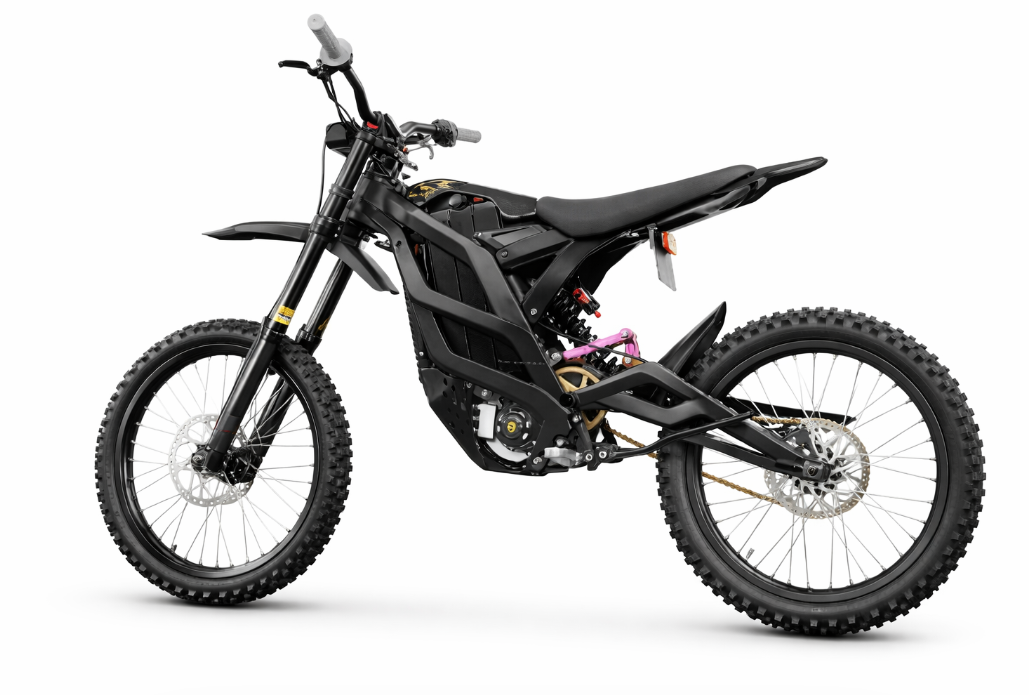
Skip the cookie-cutter rides—build a diy electric dirt bike that kicks harder, lasts longer, and makes store-bought bikes look tame.
Building a diy electric dirt bike isn’t just a weekend project—it’s grease on your knuckles, a spark in your grin, and the sweet hum of a machine that answers only to you. Store-bought bikes can feel like fast food: convenient, pricey, and never quite seasoned right. When the throttle response feels flat or the range cuts your ride short, that itch to customize starts scratching loud.
Here’s the thing.
You don’t want cookie-cutter power. You want torque that kicks like a mule, suspension that floats over ruts, and a battery that doesn’t wave the white flag halfway down the trail. Building your own ride puts you in the driver’s seat—budget, performance, and bragging rights included. This guide cuts through the noise and gets straight to what matters: parts that count, choices that pay off, and a build that rides like it’s got your name stamped on the frame.
Melodic Key Points for Your DIY Electric Dirt Bike
→ Power & Performance: Choose a motor, controller, and battery combo that balances top speed, torque, and range per charge.
→ Chassis & Handling: Select frame material, suspension travel, and wheel size to optimize weight distribution and rough-terrain comfort.
→ Safety & Durability: Integrate quality brakes, lighting, and a reliable wiring harness; prioritize water resistance and serviceability.
→ Upgrade Potential: Build modularly with accessory compatibility and interchangeable components for future customization.

Why Build Your Own DIY Electric Dirt Bike?
Building a diy electric dirt bike isn’t just a garage project; it’s your ticket to real control. When you piece together an electric dirt bike from scratch, every bolt reflects your riding style. A custom e dirt bike build feels different—because it is different. And yeah, that’s the fun part.
Unlock Personalized Performance with Custom Components
When tuning a diy electric dirt bike, performance starts at the core:
-
Power Delivery System
-
Motor controller
-
Adjust current limits for torque punch
-
Sync with Throttle assembly for smoother launch
-
-
Gearing ratios
-
Short ratio → quicker acceleration
-
Tall ratio → higher top speed
-
-
-
Ride Control System
-
Suspension tuning
-
Spring rate for rider weight
-
Damping for trail vs. track
-
-
Brake system upgrades
-
Larger rotors for heat control
-
Steel-braided lines for sharper feel
-
-
-
Ground Contact
-
Tire selection
-
Soft compound for dirt grip
-
Hard compound for mixed terrain
-
-
Brands like hezzo design components that let builders fine-tune every layer of their electric dirt bike build without locking riders into fixed presets.
Save Hundreds by Sourcing Your Own Battery Capacity
Battery choices define range and budget in any diy electric dirt bike project.
-
Cell Foundation
-
Battery cells
-
18650 for affordability
-
21700 for higher density
-
-
Battery management system
-
Balancing protection
-
Thermal monitoring
-
-
-
Performance Targets
-
Voltage requirements
-
48V for casual trails
-
72V for aggressive torque
-
-
Amp-hour rating
-
20Ah lightweight setup
-
40Ah extended range
-
-
-
Support Hardware
-
Charging system matched to pack voltage
-
Durable Battery enclosure for trail impact
-
Smart sourcing trims costs fast. That’s why many riders pairing parts with hezzo frames keep total spend lower than prebuilt electric motocross models.
Master Handling Characteristics Through Frame Material Choices
Handling on a diy electric dirt bike is shaped by structure, not hype.
-
Frame geometry
-
Short wheelbase → tight turns
-
Longer wheelbase → stability at speed
-
-
Material Options
-
Aluminum alloy
-
Lightweight
-
Balanced Weight distribution
-
-
Steel tubing
-
Affordable
-
High Chassis rigidity
-
-
Carbon fiber
-
Ultra light
-
Premium stiffness
-
-
The right combination changes how your e dirt bike tracks through loose gravel or ruts. A well-matched setup, like those supported by hezzo platforms, keeps the ride planted without feeling stiff.
Embrace Endless Upgrade Potential and Accessory Compatibility
A diy electric dirt bike never really feels finished—and that’s the beauty of it.
Start simple: a clean Wiring harness, a basic Display unit, and stock Controller firmware. Ride it. Learn it. Then tweak.
Swap in brighter Lighting system units for night runs. Add custom Mounting brackets for cargo or action cams. Explore Aftermarket parts as skills grow.
Small upgrades. Quick installs. Real gains.
That steady evolution is what keeps a home-built electric dirt bike exciting long after the first throttle twist.
5 Essential Parts For Your Electric Dirt Bike
Building a diy electric dirt bike is more than bolting parts together. When you split it up—DIY, electric, dirt, bike—you’re talking about hands-on control, battery power, trail grit, and two-wheel freedom. A smart electric dirt bike build starts with five core systems. Nail these, and your diy electric dirt bike won’t just run—it’ll rip.
Motor Power Unit
A diy electric dirt bike lives or dies by its motor setup.
-
Core drive layout
-
Brushless DC Motor
-
High torque output for steep dirt climbs
-
Lower maintenance than brushed options
-
-
Motor Mount
-
Reinforced brackets
-
Vibration control inserts
-
-
Gear Reduction
-
Improves hill torque
-
Balances top speed vs pull
-
-
-
Control and feedback
-
Torque Sensor
- Adjusts output during throttle spikes
-
Motor Controller
- Syncs with electric dirt bike throttle curve
-
Cooling Fan
- Keeps temps stable on long diy e dirt bike trail rides
-
Brands like hezzo tune their motor systems for trail torque, which makes a diy electric dirt bike feel less twitchy and more planted.
Battery Capacity Pack
Your diy electric dirt bike range depends on battery math, not guesswork.
| Pack Voltage | Ah Rating | Est. Range (km) | Charge Time (hrs) |
|---|---|---|---|
| 48V | 15Ah | 35 | 4 |
| 48V | 20Ah | 45 | 5 |
| 60V | 20Ah | 55 | 5.5 |
| 72V | 25Ah | 75 | 6 |
| 72V | 30Ah | 90 | 7 |
-
Internal structure
-
Lithium-ion Cells arranged in series/parallel
-
Battery Management System
-
Overcharge cut-off
-
Thermal monitoring
-
-
Voltage Regulator for steady output
-
-
External hardware
-
Enclosure with impact shielding
-
Wiring Harness rated for high amps
-
Charge Port sealed against mud
-
A balanced battery pack keeps your diy electric dirt bike stable on rough dirt bike tracks.
Controller Type Module
Power delivery makes or breaks ride feel.
-
Signal entry
-
Throttle Input
-
Brake Sensor Input
-
-
Processing
-
Electronic Speed Controller
-
Maps acceleration curve
-
Limits peak current
-
-
-
Output stage
-
Motor Phase Wires
-
Power Connectors
-
Heat Sink for cooling bursts
-
On a diy electric dirt bike, smooth mapping keeps dirt bike slides controlled instead of sketchy. hezzo systems are known for predictable throttle feel, great for new electric dirt bike builders.
Suspension Travel System
Trail comfort isn’t soft—it’s controlled.
-
Front assembly
-
Front Forks
-
180–220mm travel sweet spot
-
Adjustable preload
-
-
-
Rear setup
-
Rear Shock Absorber
-
Swingarm
-
Linkage System for progressive compression
-
-
Durability parts
-
Bushings reduce play
-
Seals block dirt intrusion
-
A well-set suspension lets your diy electric dirt bike float over ruts instead of bouncing off line.

Brake System Assembly
Speed means nothing without stopping power.
-
Control input
-
Brake Levers with short pull ratio
-
Master Cylinder matched to caliper size
-
-
Stopping hardware
-
Brake Calipers dual-piston or quad
-
Brake Rotors heat-treated steel
-
Brake Pads sintered for wet dirt
-
Brake Lines braided for firm feel
-
For any diy electric dirt bike, tight brakes mean safer jumps and cleaner corner entries. A dialed electric dirt bike build, especially one inspired by hezzo setups, keeps power and control in balance.
How To Choose The Perfect Motor
Building a diy electric dirt bike sounds simple—bolt on a motor and ride. In reality, motor choice shapes speed, range, and trail control. If you're tuning an electric dirt bike build or upgrading a diy e dirt bike project, this breakdown keeps it real and practical.
Motor Power vs. Top Speed Needs
When sizing a motor for a diy electric dirt bike, match output to real riding goals:
-
Core Performance Factors
-
motor wattage
-
continuous power
-
peak power
-
battery voltage
-
-
Rider & Terrain Variables
-
Rider
- rider weight
-
Ground
- terrain type
-
Goal
- desired speed
-
-
Reference Output Table
| motor wattage | battery voltage | rider weight (kg) | desired speed (km/h) |
|---|---|---|---|
| 1000W | 48V | 60–75 | 35–45 |
| 2000W | 60V | 70–90 | 45–60 |
| 3000W | 72V | 80–100 | 60–75 |
| 5000W | 72–96V | 90+ | 75–95 |
Brands like hezzo tune systems so battery and controller comfortably sustain rated output without cooking components.
Brushless vs. Brushed Controller Compatibility
Choosing the right motor type keeps your diy electric dirt bike running smooth.
-
Brushless systems
-
Use hall sensors
-
Require matching controller type
-
Connect via three phase wires
-
Often support higher voltage rating
-
-
Brushed systems
-
Simpler wiring
-
Fewer connector types
-
Easier budget builds
-
If you’re building an electric off-road bike for mud and water crossings, brushless setups—like those commonly paired in hezzo kits—offer better sealing and longer service life. Sensorless motors cut complexity, but hall-based systems improve low-speed control.
Torque, Acceleration, and Climbing Ability
For any diy electric dirt bike, torque is the fun factor.
-
Motor Characteristics
-
motor kv rating
-
Raw torque output
-
-
Drivetrain Setup
-
gear ratio
-
Short ratio → faster acceleration rate
-
Tall ratio → higher top end
-
-
wheel size
-
Larger wheels reduce punch
-
Smaller wheels boost climb force
-
-
-
Trail Performance
-
Steep hills
- Match torque to climbing gradient
-
Loose dirt
- Stable traction control
-
A well-matched system turns your diy electric dirt bike from sluggish to snappy. Get the math right, and the bike just rips.
Final Assembly: Frame To Wheel Integration
Building a diy electric dirt bike gets real at this stage. The frame meets power, wheels meet torque, and small mistakes suddenly matter. This is where your electric dirt bike build turns from parts on a bench into a working diy electric dirt bike ready to hit dirt.
Frame Material and Structural Integrity
When locking in frame design, think in layers:
-
Core structure
-
Material selection: aluminum for lighter electric dirt bike builds, steel for higher load bearing capacity
-
Corrosion resistance for wet trail days
-
-
Connection points
-
Inspect weld quality at joints
-
Reinforce visible stress points near head tube and swingarm
-
-
Support strategy
-
Add subtle frame reinforcement around battery cradle
-
Check alignment under full suspension compression
-
A diy electric dirt bike frame should feel solid, not flexy. Push it. Twist it. If it creaks, fix it.
Battery Pack and Motor Mounting Strategies
Secure mounting is everything for a diy electric dirt bike:
-
Fit a sealed battery enclosure centered in the frame.
-
Dial in motor placement to keep ideal weight distribution.
-
Install reinforced mounting brackets with thread locker.
-
Add vibration dampening pads between motor and frame.
-
Confirm airflow for the cooling system before sealing panels.
A sloppy mount kills ride quality fast.
Aligning Suspension Type and Wheel Size
Balance matters.
-
Suspension travel must match intended terrain.
-
Wheel diameter affects rollover on rocks.
-
Smart tire selection improves bite in mud.
Now connect it deeper:
-
Geometry tuning
-
Adjust rear sag for proper geometry alignment
-
Confirm ground clearance with full battery weight
-
-
Ride feel
-
Fine-tune preload
-
Test handling characteristics on loose dirt
-
A diy electric dirt bike should track straight but stay playful.
Wiring Harness, Lighting System, and Final Safety Checks
Finish strong with clean wiring:
-
Electrical routing
-
Choose correct wire gauge
-
Use sealed connector types
-
Add thick electrical insulation near sharp edges
-
-
Visibility setup
-
Mount bright headlights
-
Wire responsive brake lights
-
Secure solid horn installation
-
-
Final review
-
Perform full system testing
-
Check motor cutoff with brake pull
-
Spin wheels and confirm brake response
-
Before the first ride, pause. A careful once-over keeps your diy electric dirt bike safe and trail-ready.

FAQs about Diy Electric Dirt Bike
Why build a diy electric dirt bike instead of buying one?
Building your own bike changes the ride from generic to personal. You choose:
-
Motor power for sharp acceleration or controlled trail pace.
-
Battery capacity for longer range per charge and manageable charging time.
-
Frame material & wheel size to fine-tune weight distribution, seat height, and handling characteristics.
The real reward is upgrade potential. With component interchangeability and adjustable settings, your bike grows with your skills—new riding modes, lighting system upgrades, added accessories. It feels built for your body, not a showroom floor.
How do motor power and battery capacity affect top speed and range?
Performance is a balance of force and endurance:
-
Motor power → Top speed & acceleration
-
Higher output boosts climbing ability and off-road capability.
-
Excess power without control strains the brake system and tire grip.
-
-
Battery capacity → Range per charge & charging time
-
Larger packs extend trail performance.
-
Added weight shifts ergonomics and rough terrain handling.
-
-
Controller type → Ride feel
- Smooth throttle mapping improves riding modes and motor cutoff response.
When these three align, the bike feels alive instead of unpredictable.
What components are essential for a reliable build?
A dependable diy electric dirt bike stands on a tight core system:
-
◆ Motor power unit — drives acceleration and climbing ability.
-
◆ Battery capacity pack — defines endurance and weight distribution.
-
◆ Controller type — shapes throttle response and safety logic.
-
◆ Suspension type & suspension travel — protect control over rough terrain.
-
◆ Brake system — sharp brake responsiveness with motor cutoff integration.
Strong build quality, water resistance, and clear warranty terms protect component lifespan and long-term serviceability. Skip any one piece, and trail confidence fades fast.
How do suspension travel and wheel size influence handling and safety?
Suspension travel and wheel size decide how the bike meets the ground.
Longer suspension travel absorbs harsh impacts, improving mud clearance and trail performance. Proper wheel size stabilizes handling characteristics and maintains tire grip in loose soil. Together, they protect visibility and control when speed rises.
Add a responsive brake system and balanced frame material, and the result is calm ergonomics, steady seat height control, and confident rough terrain handling—where fear turns into flow.
Compartir:
How to Build a DIY Electric Pit Bike: A Complete Step-by-Step Guide
How to Build a DIY Electric Pit Bike: A Complete Step-by-Step Guide