
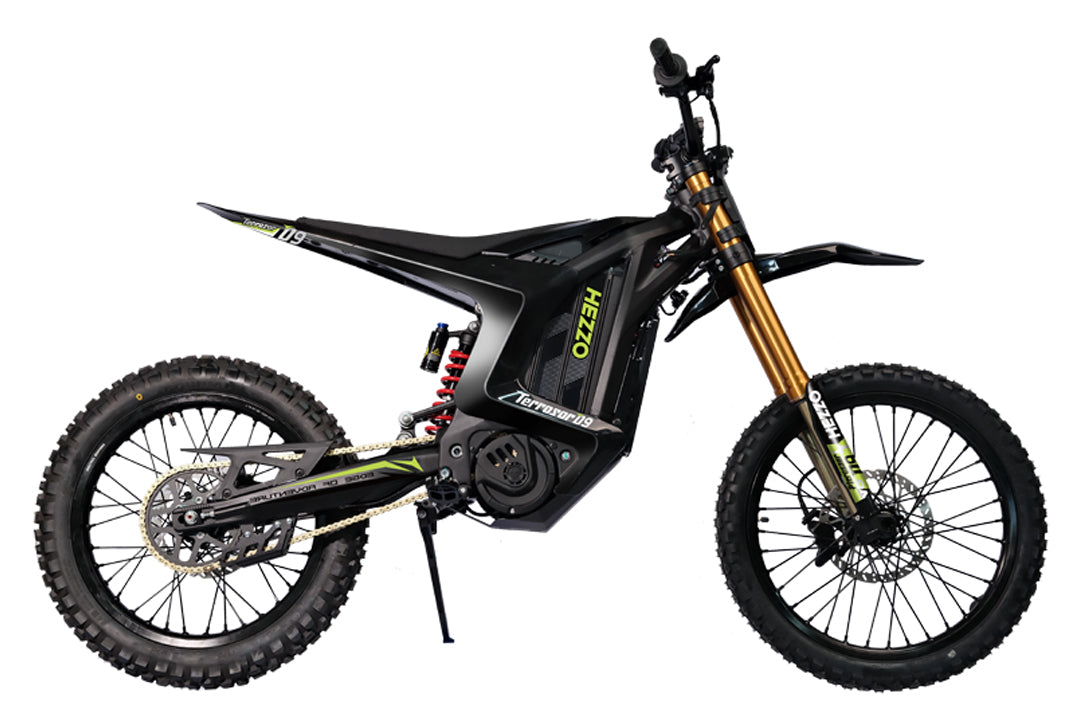
Stuck choosing an electric dirt bike that thrills, not disappoints? Charge past confusion and find the ride that makes your pulse hum louder.
Buying an electric dirt bike can feel like standing in a candy store with a hundred flavors and no clue which one won’t wreck your stomach. One minute you’re hyped about silent torque and zero gas smells; the next, you’re stuck Googling battery range at 1 a.m., wondering if that “60 miles” means real trail miles—or marketing miles. It’s a big purchase, and nobody wants buyer’s remorse kicking harder than the bike.
As BloombergNEF noted in a 2025 EV outlook, electric two-wheelers keep climbing in adoption as tech improves and costs inch down. Hezzo engineers echo the same drumbeat: battery weight and motor tuning now matter more than raw top speed.
This guide cuts through the noise—power, suspension, range—so you can ride, not second-guess.
Quick Answers for Buying an Electric Dirt Bike
-
Battery Range: Choose a battery with enough capacity for your desired riding distance, keeping in mind that larger batteries add weight.
-
Motor Power: Ensure the motor provides adequate torque for off-road trails, with emphasis on climbing ability and acceleration.
-
Suspension Type: Decide between a hardtail for lighter weight or a full-suspension system for comfort on rough terrains.
-
Charging Time: Consider charging time when planning longer rides to avoid interruptions, especially on weekend adventures.

How Does An Electric Dirt Bike Work?
An electric dirt bike looks simple on the outside, but under the plastics it’s a tight team of tech doing serious work. From the electric motor to the controller unit, every part matters. If you’ve ever wondered how an electric dirt bike launches so hard and stays whisper-quiet, here’s the straight story.
How the Motor Powers Your Ride
At the core of an electric dirt bike sits the Electric Motor, and that’s where the fun starts.
-
Power Creation
1.1 Battery sends current to the motor.
1.2 The motor converts electrical energy into mechanical force.
1.3 That force becomes Torque, pushing the rear wheel instantly.
-
Performance Factors
2.1 Motor Type
-
Hub motor: built into the wheel.
-
Mid-drive motor: mounted near the frame center for better balance.
2.2 Power Output
-
Measured in kW.
-
Higher output = stronger pull on hills.
2.3 Gearbox (or lack thereof)
-
Most electric dirt bikes skip a traditional gearbox.
-
Direct drive means Instant Acceleration with no clutch lag.
-
Brands like hezzo tune motor mapping so throttle response feels smooth but still wild when you twist it. That’s why riding an electric dirt bike feels punchy right off the line.
The Role of Batteries in Electric Dirt Bikes
The battery decides how far an electric dirt bike can roam and how hard it can rip.
- Core Battery Metrics
| Model Type | Voltage (V) | Battery Capacity (Ah) | Estimated Range (km) |
|---|---|---|---|
| Trail 48V | 48 | 20 | 40–55 |
| Sport 60V | 60 | 30 | 60–80 |
| Pro 72V | 72 | 40 | 90–120 |
-
What Shapes Performance
2.1 Battery Chemistry
- Most use lithium-ion for high Energy Density.
2.2 Charging Time
-
4–8 hours standard.
-
Fast chargers cut that down.
2.3 Battery Management System
-
Monitors heat.
-
Balances cells.
-
Prevents overcharge.
A solid electric dirt bike setup, like those from hezzo, balances weight and output so handling stays sharp on tight trails.
Electric Dirt Bike Controllers and Their Functions
The Controller Unit is the brain behind an electric off-road bike.
-
Input Stage
1.1 Rider twists Throttle Input.
1.2 Signals pass to onboard Sensors.
-
Processing Stage
2.1 Motor Speed Control adjusts current flow.
2.2 Firmware fine-tunes response curves.
2.3 Selectable Power Modes limit or unleash output.
-
Output & Protection
-
Enables Regenerative Braking to recover energy.
-
Cuts power if overheating is detected.
-
Shields wiring from voltage spikes.
-
That’s how an electric dirt bike stays quick, efficient, and safe. When battery, motor, and controller sync up right—like on a well-built hezzo—your electric dirt bike doesn’t just move. It rips.
5 Factors To Compare Dirt Bike Motors
Picking the right motor can totally change how an electric dirt bike feels on the trail. From torque punch to cooling control, small specs make a big difference in real riding.
Torque and Power: What Makes the Difference?
When comparing an electric dirt bike, motor output sits at the core of the ride feel.
-
Output Metrics
-
peak torque defines low-end pull.
-
peak power shapes sustained speed.
-
Measured in horsepower or kilowatts, both tell different stories.
-
-
instantaneous torque
-
Hits the moment you twist the throttle.
-
Boosts acceleration out of tight corners.
-
-
High top speed
-
Matters on open fire roads.
-
Depends more on total peak power than torque alone.
-
An electric dirt bike with strong torque feels lively. Less waiting, more ripping. Brands like hezzo tune motor mapping so electric dirt bikes stay responsive without feeling jumpy.
Efficiency: How Motor Design Affects Battery Life
Motor design impacts how long an electric dirt bike stays fun before recharge.
-
Core Efficiency Factors
-
motor efficiency
-
Smart power delivery
-
Reduced energy consumption
-
A closer look:
-
Battery Performance
-
Extended battery range
-
Longer riding time
-
-
Technical Design
-
Brushless motor type
-
Optional regenerative braking
-
Efficient systems waste less heat and stretch every watt. That means your electric dirt bike or even an electric bike for dirt keeps moving while others are heading back early. hezzo focuses on balanced output so riders get range without sacrificing punch.
Motor Placement: Front vs. Rear Drive Systems
Motor position changes the personality of an electric dirt bike.
-
Rear Options
-
rear hub motor
-
Direct drive feel
-
Simple drivetrain setup
-
-
mid-drive motor
-
Central weight distribution
-
Better climbing traction
-
-
-
Front Option
-
front hub motor
-
Alters handling
-
Pull-style ride sensation
-
-
Rear-focused layouts dominate electric dirt bikes because dirt demands grip. A mid-drive electric dirt bike keeps mass centered, helping tight trail control. hezzo models often favor balanced placement for predictable corner exits.
Motor Cooling: How It Affects Performance
Heat can quietly kill performance.
-
Cooling Types
-
air cooling
-
liquid cooling
-
Impact chain:
-
Rising motor temperature
-
Reduced output to prevent overheating
-
Drop in sustained performance
Good heat dissipation and smart thermal management let an e-dirt bike hold steady power during long hill climbs. Without it, power fades fast.
Noise Levels and Riding Comfort
Sound changes the whole vibe of an electric dirt bike.
-
Low noise level
-
Softer sound output
-
Minimal vibration
Benefits stack up:
-
Better riding experience
-
Improved auditory comfort
-
Less fatigue
-
-
Positive environmental impact
-
Easier trail access
-
True stealth riding
-
Compared to gas bikes, an electric dirt bike feels smoother and cleaner. For many riders, that quiet confidence is the real win.
Hardtail Vs. Full-Suspension: Side-By-Side
Choosing between hardtail and full-suspension can totally change how an electric dirt bike feels on the trail. From tight forest paths to open gravel tracks, the right setup affects comfort, control, and range. If you’re eyeing an electric dirt bike for weekend rides, this breakdown keeps it real and simple.

Hardtail: A Simpler and Lighter Option
When riding an electric dirt bike with a hardtail setup, the focus is clean efficiency and low fuss. The frame design skips the rear shock absorber, which trims weight and reduces maintenance needs.
-
Core Build
-
Frame design
-
Rigid rear triangle
-
No pivot hardware
-
-
Impact on weight
-
Lighter chassis
-
Easier battery efficiency
-
-
Lower maintenance
-
Fewer moving parts
-
Reduced service intervals
-
-
-
Cost and Ownership
-
Better cost-effectiveness
-
Lower upfront price
-
Fewer suspension components to replace
-
-
Mechanical simplicity
-
Straightforward cleaning
-
Easy tuning for electric dirt performance
-
-
On smoother terrain, an electric dirt bike with a hardtail frame feels direct and snappy. Power from the motor transfers cleanly to the rear wheel. For riders using a dirt bike electric setup mainly on compact trails, urban edges, or light off-road tracks, that efficiency can stretch battery range noticeably. Brands like hezzo design hardtail options that keep things tough but not overbuilt, which suits riders who just want to hop on and ride.
Full-Suspension: For More Comfort and Control
A full-suspension electric dirt bike adds both a front fork and rear suspension, boosting terrain adaptability and serious ride comfort. On rocky climbs or jump lines, the difference feels huge.
Here’s a quick comparison for an electric dirt bike in rough conditions:
| Feature | Hardtail Setup | Full-Suspension Setup |
|---|---|---|
| Average Weight (kg) | 22–24 | 24–27 |
| Rear Travel (mm) | 0 | 120–160 |
| Maintenance Points | Low | Moderate–High |
| Shock Absorption Score (1–10) | 5 | 9 |
| Handling on Rough Terrain (1–10) | 6 | 9 |
With active shock absorption, traction improves because the rear wheel tracks the ground instead of bouncing off it. That means sharper handling in loose corners and more stable landings after drops.
An e dirt bike built with tuned suspension can:
-
Reduce rider fatigue on long trail days.
-
Keep power delivery smoother over roots and rocks.
-
Improve overall performance when speeds climb.
If you ride aggressive lines or steep downhill routes, an electric dirt bike with full suspension simply feels planted. hezzo models in this category balance motor torque and suspension travel so the electric dirt ride stays controlled, not chaotic.
Range Anxiety? Battery Tips Solve It
Range anxiety hits different when you're miles deep in the trail with an electric dirt bike and no outlet in sight. Good news: smart battery habits, better planning, and the right electric ride setup can stretch distance and calm those nerves fast.
Maximizing Your Electric Dirt Bike’s Range
When riding an electric dirt bike, small adjustments stack up.
-
Riding Style Adjustments
-
Refine throttle control to avoid sudden torque spikes.
-
Shift your riding style toward steady roll-ons instead of hard bursts.
-
Use eco mode on straightaways to conserve charge.
-
-
Terrain Awareness
-
On loose sand:
-
Maintain consistent throttle.
-
Balance weight distribution slightly rearward.
-
-
On rocky climbs:
-
Reduce wheel spin.
-
Keep momentum rather than restarting mid-hill.
-
-
On forest trails:
- Anticipate elevation changes early.
-
-
Mechanical Setup
-
Check tire pressure before every ride.
-
Adjust suspension to match rider weight and cargo load.
-
A well-tuned electric dirt bike like those from hezzo responds smoothly when input is clean and calculated. That’s how an e dirt bike keeps range steady without feeling sluggish.
Understanding Battery Capacity and Its Effect on Distance
Battery math sounds boring—until it decides how far an electric dirt bike can actually go.
-
Core Electrical Metrics
-
Battery voltage (V) affects power delivery.
-
Ampere-hours (Ah) define stored charge.
-
Watt-hours (Wh) = V × Ah, your real distance indicator.
-
Energy density influences weight and handling.
-
-
Rider & Usage Factors
-
Higher rider weight increases draw.
-
Faster average speed drains capacity quicker.
-
Here’s how numbers play out:
| Battery Voltage (V) | Ampere-Hours (Ah) | Watt-Hours (Wh) | Est. Range (Miles) |
|---|---|---|---|
| 48V | 20Ah | 960Wh | 20–25 |
| 60V | 25Ah | 1500Wh | 30–40 |
| 72V | 30Ah | 2160Wh | 45–60 |
Higher watt-hours extend distance, but added pack size affects balance. On an electric off-road bike, weight shifts matter. Brands like hezzo design frames to offset that extra mass so your electric trail bike still feels agile.
Charging Time and Its Impact on Your Riding Schedule
Charging shapes your weekend more than you think.
-
Charger type decides baseline speed. A standard unit may take 6–8 hours. A fast charger can cut that nearly in half.
-
Charging speed must match battery specs to protect battery health.
-
Repeated partial top-ups increase total charging cycles, which slowly reduce maximum capacity.
-
Planning around available charging stations matters on long trail systems.
-
Match expected ride duration with realistic recharge windows.
If you ride an electric dirt bike on Saturday morning and want round two by sunset, map charging time like you map trails. Many hezzo models support faster charging without stressing internal cells, making your electric ride easier to schedule.

Tips for Extending Battery Life During Rides
-
Start smooth. Practice smooth acceleration to limit sudden current spikes.
-
Use regenerative braking on descents to recover small amounts of energy.
-
Avoid long steep inclines when alternate paths exist.
-
Focus on maintaining momentum instead of repeated stop-and-go bursts.
-
Try reducing load—ditch unnecessary gear.
-
Monitor ambient temperature, since extreme heat drains performance faster.
Ride smart, not frantic. When you respect how an electric dirt bike manages power, range anxiety fades, and every electric dirt bike adventure feels a lot more in control.
Pre-Ride Checklist For An Electric Dirt Bike
Rolling out on an electric dirt bike feels awesome, but a quick once-over keeps the fun from turning into a long walk home. A few smart checks protect your electric dirt bike, your ride time, and your bones.
Check Your Battery Level and Charging
Before firing up an electric dirt bike, take a minute to go through the power setup:
-
Battery Status Review
-
Check the battery indicator on the display.
-
Confirm you have close to a full charge for the planned distance.
-
Look for warning lights tied to battery health.
-
-
Wiggle-test the pack gently.
- Make sure the battery charge is stable and the unit is firmly mounted.
-
-
Charging System Inspection
-
Inspect the charging cable.
- No frays, bends, or exposed wiring.
-
Look inside the charging port.
-
Clear out dust or mud.
-
Ensure the cap seals tightly after unplugging.
-
-
-
Mounting and Security
-
Confirm the battery latch clicks in place.
-
Double-check bolts or locking mechanisms.
-
A solid power check means your electric off-road bike won’t fade out halfway up a climb.
Inspecting Brakes, Tires, and Suspension Before the Ride
Your electric dirt bike handles torque fast, so control matters.
Start with the brakes. Squeeze the levers and feel for firmness. If the lever pulls too far, inspect the brake pads for thinning and check brake fluid levels. Spongy feel? Time for service.
Move to the tires:
-
Check tire pressure with a gauge.
-
Scan tire tread for uneven wear.
-
Remove embedded rocks.
For rough trails or jumps, suspension gets attention. Compress the forks and rear end.
-
Watch the suspension travel—it should move smoothly.
-
Look for oil around fork seals.
-
Inspect the shock absorber for leaks or loose hardware.
A quick once-over keeps your e-dirt bike planted in mud, sand, or hardpack.
Ensuring Proper Ergonomics for Comfort and Safety
Comfort changes everything on an electric dirt bike.
Check your handlebar position. Bars too low strain your back; too high mess with steering.
Dial in seat height so both boots touch lightly at stops. Stable, not tippy.
Adjust footpeg placement if possible. Your knees should grip the bike naturally.
Fine-tune lever reach for easy braking with one or two fingers. No over-stretching.
Notice grip comfort during a short roll. If your hands ache fast, reposition.
Keep relaxed body posture and clear control access. When your setup feels right, the electric dirt bike responds like it’s reading your mind.
Weekend Adventure: Batteries Under 100 Lbs
Heading out for a quick trail escape with an electric dirt bike feels different when the battery stays under 100 lbs. Less bulk, more control, and way fewer headaches loading up. If you ride an electric dirt bike on weekends, battery choices shape your whole vibe—speed, comfort, even how long you stay out there.
Lightweight Batteries: Pros and Cons
When picking a battery for an electric dirt bike, it helps to break things down clearly.
-
Performance and Weight Balance
-
Lower weight improves cornering feel.
-
Faster throttle response boosts overall performance.
-
Easier lift onto racks or into trucks.
-
-
Range and Charging Factors
-
Smaller packs often mean shorter range.
-
Smart charging habits protect durability.
-
Watch your charging time, especially before a Sunday ride.
-
-
Cost and Long-Term Value
-
Lightweight cells with higher energy density raise cost.
-
Poor maintenance shortens lifespan.
-
Budget packs may limit discharge stability.
-
On tight forest trails, an electric dirt bike with a lighter battery simply feels alive. But if your ride crew pushes miles deep into backcountry, limited range can cut the fun short. That trade-off is real. Brands like hezzo tune battery mapping carefully so riders don’t feel that drop-off too early.
The Best Battery Options for Weekend Adventures
Choosing the right pack for an electric dirt bike under a strict weight limit works best with a layered approach:
-
Battery Core Specs
-
Check battery capacity for your typical ride distance.
-
Match high discharge rate with motor demands.
-
Confirm connector compatibility with your electric trail bike.
-
-
Design Priorities
-
a) Swappable modules
-
Quick trail changes
-
Balanced load distribution
-
-
b) High energy density cells
-
More miles per pound
-
Improved overall lifespan
-
-
-
Real-World Weekend Setup
-
Keep total system under 100 lbs.
-
Carry a compact backup pack if range anxiety hits.
-
Use smart chargers to extend cycle life.
-
Riders who choose an electric dirt bike for short blasts, hill climbs, and campsite loops usually prefer modular systems. hezzo keeps its packs light, tight, and ready for rough ground. For a weekend run, that combo of smart battery capacity, stable output, and manageable weight just makes sense.
FAQs about An Electric Dirt Bike
How does an electric dirt bike produce its power?
An electric dirt bike turns stored battery energy into motion through a tightly managed system:
-
Battery → controller → motor: the controller meters current to shape torque and acceleration.
-
Instant torque boosts climbing ability on steep off-road terrain.
-
Regenerative braking feeds energy back, stretching range.
The result is strong power with a low noise level, giving riders better focus on dirt, mud, and tight trails.
What should I check before riding an electric dirt bike?
A quick pre-ride ritual keeps both thrill and safety in balance.
1) Brakes & tires – grip and stopping control on loose terrain.
2) Battery level & display – confirm range and connectivity data.
3) Suspension & frame – stable handling for jumps and rough trails.
4) Lighting, horn, kill switch – basic safety features ready to react.
Small checks protect component lifespan and reduce surprises mid-ride.
How do battery and charging choices affect performance?
Battery capacity shapes both freedom and feel.
-
Higher capacity → longer range, added weight.
-
Lightweight packs → sharper handling, shorter ride time.
-
Swappable battery systems → quick return to the trail.
Charging time depends on charger type; fast chargers cut waiting but may impact long-term battery lifespan. Smart riders balance speed, serviceability, and warranty coverage.
Which frame and suspension setup suits different riding styles?
Riding style writes the script for comfort and control.
-
Hardtail frame: lighter weight, efficient power transfer, ideal for smoother dirt trails.
-
Full suspension: absorbs shocks from jumps, mud, and rocky terrain, improving comfort and traction control.
Match the frame, suspension, and ergonomics to your body and speed goals, and an electric dirt bike feels less like a machine—more like an extension of instinct.
Compartir:
Electric Pit Bike vs. Gas: Which One Should You Really Buy?
Is the Avigo Extreme Electric Dirt Bike Still Worth It Today?