
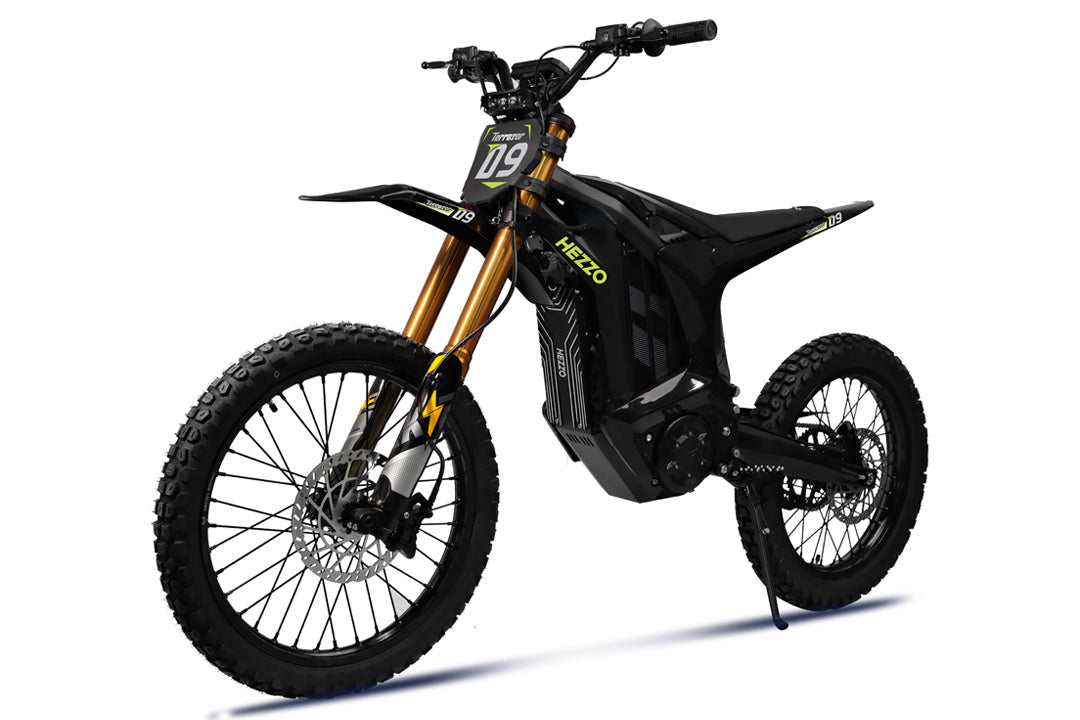
Strap in for the thrill—building an electric dirt bike that hits hard, rides wild, and turns pure torque into your next off-road addiction.
Building an electric dirt bike feels like strapping a lightning bolt to a mountain goat—wild, nimble, and just a little rebellious. You want torque that snaps, range that doesn’t quit halfway up the ridge, and a frame that won’t rattle apart when the trail gets nasty. That’s the itch. That’s the gamble.
BloombergNEF reported over 14 million electric vehicles sold globally in 2023, calling electrification “a structural shift in transport.” The dirt world isn’t sitting this one out.
So before cash leaves your wallet or tools hit the bench, get clear on motors, batteries, and bones. Know what makes a beast buck—and what makes it break.
7 Essentials Before Building an Electric Dirt Bike
Building an electric dirt bike sounds epic, but jumping in without a plan can drain your wallet fast. If you’re serious about building an electric dirt bike, you need clear specs, smart parts, and realistic goals. From electric motor tuning to battery setup, every choice shapes how your electric dirt bike build actually rides.
Motor Power Output and Torque Requirements
When building an electric dirt bike, motor setup decides how wild the ride feels.
-
Core specs to review:
-
peak power vs continuous power
-
torque rating across the RPM range
-
motor type and cooling system
-
real-world efficiency
-
-
Match output to rider weight.
-
Adjust gearing for trail or track.
-
Confirm cooling for long off-road pulls.
For deeper planning:
-
Power Planning
-
Performance Target
-
Trail riding → steady continuous power
-
Track use → high peak power bursts
-
-
Thermal Control
-
Air-cooled for light builds
-
Liquid cooling system for aggressive riding
-
-
Choosing a Durable Frame and Suspension Setup
A weak chassis ruins the whole electric dirt bike project.
-
Frame Basics
-
frame material: aluminum for lightness, steel for strength
-
frame geometry affects cornering
-
-
Suspension System
-
Front: fork type, tuned by damping adjustment
-
Rear: shock absorber, enough suspension travel
-
-
Testing
-
Lab checks
-
Real trail durability testing
-
When builders like hezzo design frames, weight balance and motor placement are sorted early, not as an afterthought.

Selecting Wheels, Tires, and Ground Clearance for Terrain
Your tire setup can make or break building an electric dirt bike.
| Terrain Type | Wheel size | Tire tread pattern | Tire pressure (psi) | Ground clearance (mm) |
|---|---|---|---|---|
| Hardpack | 19” | Semi-slick | 18–22 | 280 |
| Mud | 18” | Deep knobby | 14–18 | 300 |
| Sand | 19” | Paddle-style | 12–16 | 310 |
| Rocky trail | 18” | Reinforced knobby | 16–20 | 295 |
| Mixed trail | 19” | Hybrid | 18–20 | 290 |
Also check rim material and spoke count for strength.
Battery Capacity and Range Considerations
Battery choices shape the soul of building an electric dirt bike.
-
Electrical Core
-
battery voltage sets speed potential
-
battery capacity (Ah) defines range
-
energy density impacts weight
-
-
Performance Factors
-
Safe discharge rate
-
Realistic range estimation
-
-
Protection
-
Smart battery management system
-
Reasonable charging time
-
A lighter pack boosts handling, but too small kills ride time. Balance is everything when building an electric dirt bike for real trails.
Controller and Sensor Integration Options
Smooth throttle feel separates a clean build from a jerky one.
-
Control Stack
-
controller type matched to motor
-
Precise throttle input mapping
-
-
Sensor Network
-
speed sensor for display accuracy
-
temperature sensor for motor safety
-
-
Smart Features
-
Tuned regenerative braking
-
Stable communication protocol
-
Easy firmware updates
-
Many riders upgrading to hezzo systems like the plug-and-play tuning that simplifies building an electric dirt bike from scratch.
Ergonomics, Seat Height, and Handling Comfort
Comfort matters more than most admit.
-
Rider Fit
-
Ideal seat height for footing
-
Neutral handlebar position
-
Balanced footpeg placement
-
-
Stability
-
Correct weight distribution
-
Low center of gravity
-
-
Control
-
Clean control layout
-
Natural rider stance
-
Short rides hide bad ergonomics. Long trail days expose them fast.
Safety Features: Braking System and Kill Switch
Power without control is chaos.
-
Braking Hardware
-
Hydraulic brake type
-
Larger rotor size for heat control
-
Strong caliper design and solid hydraulic lines
-
Consistent lever feel
-
-
Emergency Systems
-
Instant kill switch function
-
Clear emergency stop access
-
When building an electric dirt bike, never treat safety like an optional add-on. It’s the backbone of every solid electric dirt bike build.
Battery Selection: 5 Key Factors
Building an electric dirt bike sounds simple—bolt in a pack and ride. In reality, battery choice shapes range, punch, safety, and long-term cost. If you're serious about building an electric dirt bike, this is where it gets real.
Capacity vs. Weight Trade-offs
When building an electric dirt bike, battery specs aren’t just numbers on a label. They change how the bike feels mid-air and in tight turns.
-
Core performance balance
1.1 Energy storage
-
energy density decides how much power fits per kilogram.
-
Higher amp-hour rating boosts runtime, yet increases dimensions and frame stress.
1.2 Output behavior
-
voltage influences throttle response.
-
Stable power output keeps torque smooth on loose trails.
-
-
Handling impact
2.1 Added pack weight shifts the center of gravity.
2.2 Heavier builds can dull acceleration when building an electric dirt bike for racing.
| Capacity (Ah) | Voltage (V) | Weight (kg) | Est. Runtime (min) |
|---|---|---|---|
| 20 | 48 | 9 | 45 |
| 30 | 48 | 12 | 70 |
| 40 | 60 | 18 | 95 |
| 50 | 72 | 24 | 120 |
Smart builders, including riders choosing hezzo platforms, match battery size to terrain—not ego.
Charging Time and Fast-Charge Compatibility
Downtime kills the vibe when building an electric dirt bike.
-
Check charge rate and supported charging current.
-
Confirm charging voltage matches controller specs.
-
Inspect the charging connector type before buying extra chargers.
A quick roadmap:
-
Review pack limits on charging cycles.
-
Verify access to local charging infrastructure.
-
Compare standard vs. fast charging time.
BloombergNEF’s 2025 battery outlook notes that fast-charging adoption in light electric vehicles is accelerating, but improper current matching remains a leading cause of early degradation.
Fast charging feels great. Abuse it, and range drops faster than you’d like when building an electric dirt bike for weekend trail runs.

Battery Management System and Safety
Building an electric dirt bike without a solid BMS is risky business.
-
Protection layers
1.1 Electrical safeguards
-
overcharge protection
-
discharge protection
-
short circuit protection
-
fused protection
1.2 Thermal controls
- temperature monitoring prevents overheating.
-
-
Cell optimization
2.1 cell balancing keeps voltage even.
2.2 Proper calibration supports safety certifications and stable output.
If you're building an electric dirt bike for aggressive riding, skipping advanced monitoring just isn’t worth it.
Material Quality and Water Resistance
Mud, stream crossings, and pressure washing test every battery shell. Strong enclosure material combined with tight sealing protects internal cells from shock and grit. Look for a clear ingress protection rating, solid corrosion resistance, and proven vibration resistance for off-road abuse. Good thermal management prevents heat soak on long climbs, while overall durability ensures that building an electric dirt bike today doesn’t mean replacing the pack next season.
Component Lifespan and Warranty Coverage
Long-term thinking separates a fun project from a money pit when building an electric dirt bike.
-
Lifespan metrics
1.1 cycle life defines total usable recharge cycles.
1.2 calendar life reflects aging even when parked.
1.3 Watch the degradation rate after heavy use.
-
Financial protection
2.1 Review manufacturer warranty length and limits.
2.2 Calculate potential replacement cost after peak service life.
Riders building an electric dirt bike often focus on speed. Smart ones also read the fine print.
Building an Electric Dirt Bike: Step-By-Step Guide
Building an electric dirt bike sounds intense, but it’s really about smart planning and steady hands. When building an electric dirt bike from scratch, each part matters. This guide breaks down electric dirt bike building into real-world actions you can actually follow.
Step 1: Frame and Suspension Assembly
When building an electric dirt bike, the base matters most.
-
Core structure
-
Install the Frame on a level stand.
-
Check weld integrity.
-
Confirm alignment points.
-
-
Fit the Suspension components.
-
Mount the front Fork to steering head bearings.
-
Attach rear Shock absorber to linkage.
-
-
-
Rolling system
-
Mount Wheels.
-
Press in sealed Bearings.
-
Align axle spacers.
-
-
Fit off-road Tires and set baseline pressure.
-
-
Quick checks
-
Torque pivot bolts.
-
Spin wheels freely.
-
No side play.
-
Solid frame geometry makes building an electric dirt bike smoother later.
Installing the Motor and Controller
Now the heart of electric dirt bike building kicks in.
Start with the Electric motor. Position it using reinforced Mounting brackets, then secure a Torque arm to control rotational force. Line up Sprockets carefully. A crooked Chain ruins the vibe fast.
-
Align Gearing ratio for trail or track.
-
Bolt down the Motor controller near airflow.
-
Connect phase wires and hall sensors.
Keep cable slack tidy.
Double-check torque specs.
Spin the drivetrain by hand before power-up.
If you’re building an electric dirt bike using hezzo components, compatibility between controller mapping and motor output is already dialed, which saves serious setup time.
Wiring Harness Integration and Software Updates
Clean wiring keeps your electric dirt bike build from turning messy.
-
Main routing
-
Lay the Wiring harness along the Frame spine.
-
Secure with heat-resistant clips.
-
Avoid pinch points near suspension travel.
-
-
-
Control inputs
-
Connect Throttle to controller.
-
Wire Brake levers cutoff sensors.
-
Attach wheel and temperature Sensors.
-
-
Interface layer
-
Lock weatherproof Connectors.
-
Plug display and diagnostics.
-
-
Digital setup
-
Install latest Firmware.
-
Calibrate via Software dashboard.
-
Scan using Diagnostic tools for fault codes.
-
Building an electric dirt bike without clean firmware updates? That’s asking for glitches.
Mounting the Battery and Conducting Charge Tests
The Battery pack decides how hard your electric off-road motorcycle can rip.
-
Physical install
-
Seat the pack inside frame cradle.
-
Add vibration dampers.
-
Secure with locking brackets.
-
-
Electrical link
-
Connect to Battery management system.
-
Attach main fuse and Charging port.
-
Charge testing matters. Track Voltage, Amperage, Capacity, and Discharge rate.
| Test Cycle | Voltage (V) | Amperage (A) | Capacity (Ah) | Discharge Rate (C) |
|---|---|---|---|---|
| Idle | 72 | 0.5 | 40 | 0.1C |
| Mid Load | 70 | 45 | 38 | 1C |
| Peak Load | 68 | 90 | 36 | 2C |
If you’re building an electric dirt bike with hezzo battery systems, the integrated Charger syncs smoothly with the BMS, reducing overheating risks.

Final Tuning, Test Ride, and Troubleshooting
Now it’s time to feel the build.
-
Adjust Brakes bite point.
-
Set Tire pressure for terrain.
-
Dial Suspension settings.
-
Tune Acceleration curve and Regenerative braking strength.
Take a short ride. Listen for chain noise. Watch Performance metrics on display. If Error codes pop up, scan immediately.
BloombergNEF noted in its 2025 electric mobility outlook that electric two-wheelers are seeing “rapid gains in performance parity with combustion models, driven by battery and controller efficiency improvements.”
That’s why building an electric dirt bike today feels different than even two years ago. With brands like hezzo pushing smarter tuning systems, building an electric dirt bike isn’t just a garage hobby anymore—it’s a legit high-performance project.
FAQs about Building An Electric Dirt Bike
What matters most when building an electric dirt bike for off-road performance?
Building an electric dirt bike is a balance between raw force and rider control. The core pieces must work as one:
-
Motor + Controller: Strong Torque and sharp Acceleration without jerky Power Output.
-
Frame + Suspension: High Frame Strength, long Suspension Travel, and enough Ground Clearance for real off-road capability.
-
Wheels + Tire Type: Aggressive tread to hold loose terrain.
-
Brakes: A confident Braking System that matches your Top Speed.
When Weight is poorly distributed between the Motor and Battery, Handling suffers. Get this right, and the bike feels alive beneath you instead of fighting back.
How does the Battery and Battery Management System affect range and safety?
The Battery shapes both Range and riding mood. A larger pack extends Range but increases Weight, affecting Acceleration and corner feel. Charging Time also becomes part of your daily rhythm.
The Battery Management System adds protection and tension control:
-
Monitors temperature and voltage.
-
Prevents overcharge and deep discharge.
-
Protects Component Lifespan and reduces fire risk.
Add Water Resistance and secure mounting inside the Frame, and your ride shifts from risky experiment to dependable machine.
Which safety and control features should never be ignored?
Speed without control creates anxiety. True confidence comes from layered safety:
-
★ Responsive Braking System
-
★ Reliable Kill Switch
-
★ Traction Control for loose gravel
-
★ Bright Lighting for dusk trails
-
★ Sensor Integration linked to the Controller
Regenerative Braking can improve control on descents, while Display Features keep Power Output and Battery levels visible. When safety tech works quietly in the background, your focus returns to the trail ahead.
How do ergonomics and durability shape the riding experience?
Comfort decides how long you stay in the saddle. Ergonomics—Seat Height, handlebar reach, and riding stance—directly affect Handling and fatigue. Riding Modes can soften or sharpen response depending on terrain.
Durability tells the longer story:
-
High Material Quality in the Frame and Suspension
-
Sealed connectors for Water Resistance
-
Easy access for repair and Service Availability
-
Clear Warranty support
Low Noise Level adds a strange thrill—you hear the dirt, the wind, your own breath. When Ease of Repair meets strong build quality, building an electric dirt bike stops being a project and becomes a personal machine built to last.
Compartir:
How to Find a Reliable Budget Electric Dirt Bike for Your Trails
The Ultimate Guide to Buying Your First Cake Electric Dirtbike