
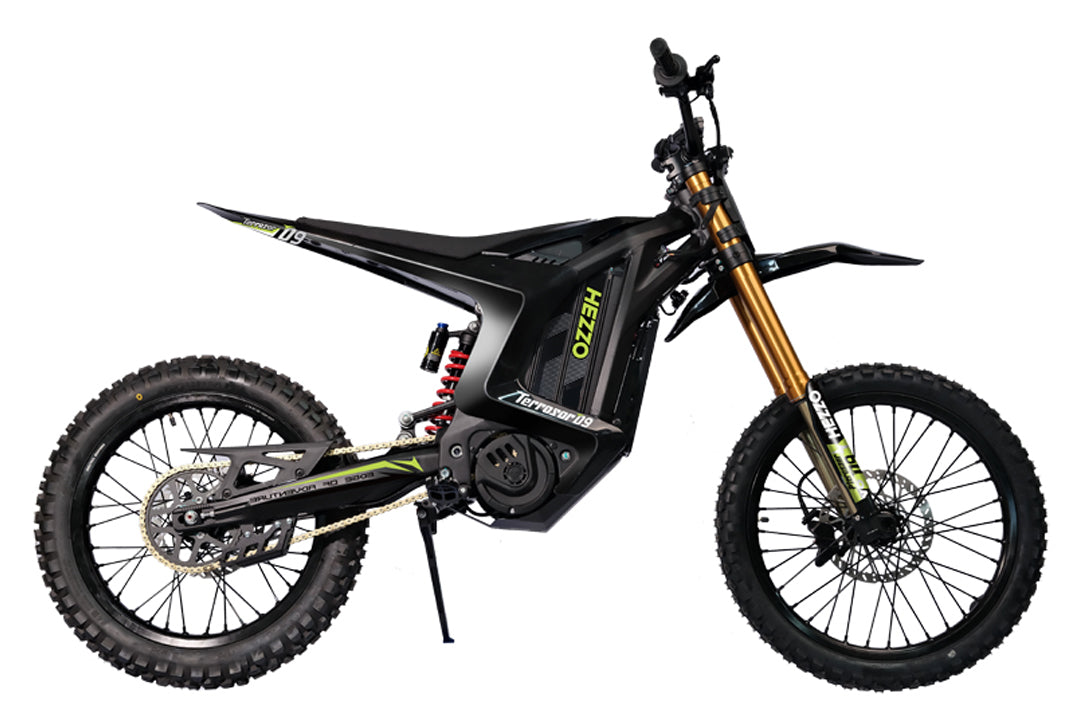
When the trail gets wild, dirt electric bikes turn chaos into thrill—power, battery, and grit that make every ride feel like sweet revenge.
Dirt electric bikes aren’t just toys for grown-ups with a wild streak—they’re freedom on knobby tires. One minute you’re grinding up a stubborn hill, lungs on fire; the next, you’re gliding past it like it owed you money. Picking the right one, though, can feel like decoding a secret menu—motors, torque, suspension talk that sounds slick but leaves you scratching your head.
Here’s the deal: you want power that pulls, a battery that won’t ghost you mid-ride, and a frame that won’t flinch when the trail gets rowdy. Let’s cut through the noise and get you rolling right.
Riding Notes: Dirt Electric Bikes Unleashed
-> Powertrain Choice: Mid-drive units excel on climbs; hub motors deliver steady flat-terrain push.
-> Battery Savvy: Opt for removable, high-voltage packs to extend range and speed recharge.
-> Chassis & Traction: Light alloy or carbon frames with wide, tubeless-ready tires ensure nimble handling on rough trails.
Types of Electric Bike Motors Explained
Dirt electric bikes aren’t just about big tires and loud trails—they’re about motors that match your riding vibe. If you’re into electric dirt bikes, e dirt bikes, or full-send dirt e bikes, the motor choice changes everything.

Mid-Drive Motor vs. Hub Motor: Which Suits Your Trail Needs
When choosing between a mid-drive motor and a hub motor for dirt electric bikes, it really comes down to how and where you ride.
-
Mid-Drive Motor
-
Core strengths
-
Uses the bike’s gearing for better climbing ability
-
Central weight distribution improves balance on rough trail riding
-
-
Trail impact
-
Higher efficiency on steep dirt climbs
-
Easier front wheel lift over roots and rocks
-
-
Maintenance note
- Slightly more involved maintenance due to drivetrain wear
-
-
Hub Motor
-
Rear-wheel drive feel
-
Direct power delivery
-
Steady pull on flat fire roads
-
-
Design perks
-
Simpler layout
-
Lower routine service needs
-
-
For tight switchbacks and aggressive dirt e bikes action, mid-drive often wins. For cruising wide dirt paths, hub motors keep things chill. Brands like hezzo tune both setups for real off-road performance.
Torque Sensor or Cadence Sensor: Finding the Right Feedback
On dirt electric bikes, how the motor reacts to your pedaling makes a huge difference.
-
Torque Sensor
-
Measures pedal force
-
Creates a natural feel
-
Boosts responsiveness on technical climbs
-
Smoother power delivery when traction gets sketchy
-
-
Cadence Sensor
-
Detects crank rotation
-
Delivers steady pedal assist
-
Simple and reliable for casual electric dirt bikes use
-
According to Deloitte’s 2025 global micromobility outlook, rider demand is shifting toward “systems that provide intuitive, performance-oriented assist for off-road and recreational riding.”
“Performance e-bike buyers increasingly prioritize torque-based sensing for a more natural and responsive ride experience.” — Deloitte Insights, 2025
If you want dirt electric bikes that react instantly on rocky trails, torque sensing feels alive. For relaxed dirt bike electric rides, cadence works just fine.
Motor Wattage and Power Output: How Much Push Do You Really Need?
Choosing the right motor wattage isn’t about bragging rights. It’s about matching power output to your terrain and rider weight.
-
Light trail riding
-
Moderate wattage
-
Smooth acceleration
-
Balanced speed for control
-
-
Steep hill climbing
-
Higher wattage
-
Stronger sustained thrust
-
Better performance for heavier riders
-
-
Mixed off-road days
-
Mid-to-high range
-
Reliable hill climbing
-
Less battery stress
-
Dirt electric bikes built for serious hills need more muscle than casual electric dirt bikes. hezzo models are tuned so you get punch without draining the battery halfway up the mountain.
Peak Torque and Sustained Power: Understanding Performance Specs
Spec sheets can look confusing, but two numbers matter most: peak torque and sustained power.
-
Peak Torque
-
Short bursts of force
-
Critical for loose gravel starts
-
Improves traction during steep roll-ons
-
Key to sharp off-road performance
-
-
Sustained Power
-
Long-duration output
-
Supports endurance on extended climbs
-
Reflects real motor efficiency
-
Works closely with smart gearing
-
For dirt electric bikes tackling long mountain trails, sustained output keeps momentum steady. For quick technical pops over obstacles, peak torque shines. A well-balanced dirt e bike blends both, giving riders that confident, planted feel every time the trail gets wild.

5 Key Features for Off-Road Electric Bikes
Dirt electric bikes are built for chaos—loose gravel, steep climbs, tight forest lines. If you ride electric dirt bikes hard, every component matters. Here’s what truly shapes control, comfort, and long-term durability.
Rugged Frame Geometry: Aluminum, Alloy, or Carbon Fiber?
When choosing dirt electric bikes, the frame material defines ride feel and lifespan.
-
Material Selection
-
Aluminum frame
-
Strong impact resistance
-
Budget-friendly
-
Slightly heavier feel
-
-
Alloy frame
-
Balanced durability
-
Improved weld strength
-
-
Carbon fiber frame
-
Reduced weight
-
Vibration damping
-
Premium cost
-
-
-
Optimized frame geometry
-
Head tube angle
-
Slacker angle → better downhill stability
-
Steeper angle → quicker corner response
-
-
Chainstay length
-
Short → playful handling
-
Long → climbing traction
-
-
-
Trail Impact
-
Rock gardens test durability
-
Steep lines reward low center geometry
-
Tight switchbacks favor balanced weight
-
Brands like hezzo tune geometry for real off-road electric bike use, not parking-lot cruising.
Suspension Travel Matters: Front Air vs. Rear Coil Setups
Electric dirt bikes demand serious suspension travel.
Front systems:
-
Air suspension
-
Adjustable pressure
-
Lighter setup
-
Lockout for climbs
-
Rear systems:
-
Coil suspension
-
Consistent damping
-
Better shock absorption on rough trail conditions
-
For aggressive dirt electric bikes riders:
-
120–140mm: light trail riding
-
150–170mm: technical terrain
-
180mm+: downhill focus
Fine-tune sag → test rebound → adjust compression.
Small tweaks change control completely.
“The global e-MTB market continues to expand, driven by demand for high-performance trail systems,” notes the 2025 Global E-Bike Market Report by Mordor Intelligence, highlighting strong growth in off-road electric bike categories.
hezzo models often pair adjustable front systems with stable rear setups for serious electric dirt bike control.
Hydraulic Disc Brakes with Four-Piston Calipers for Steep Descents
On steep descents, hydraulic disc brakes are non-negotiable.
-
Core Components
-
Four-piston calipers
-
Even pad pressure
-
Higher braking power
-
-
Rotor size
-
180mm: moderate
-
203mm+: maximum heat control
-
-
-
Performance Factors
-
Improved brake modulation
-
Shorter stopping distance
-
Stable rider control
-
-
Descent Demands
-
Long downhill runs build heat
-
Loose terrain reduces traction
-
Electric dirt bikes carry more weight than standard MTBs
-
For dirt electric bikes, brake fade isn’t an option. Clean lines. Strong squeeze. Done.
Wide Tires and Tubeless-Ready Rims: Grip on Loose Terrain
Loose terrain eats weak setups alive. Tire specs matter.
| Tire Width (inches) | Terrain Type | Traction Level | Puncture Resistance | Rim Compatibility |
|---|---|---|---|---|
| 2.3 | Hardpack | Medium | Moderate | Standard |
| 2.5 | Mixed Trail | High | High | Tubeless-ready |
| 2.6 | Loose Gravel | Very High | High | Tubeless-ready |
| 2.8 | Sand | Maximum | Moderate | Wide rim |
| 3.0 | Snow/Soft Soil | Extreme | Moderate | Fat rim |
Key advantages for dirt electric bikes:
-
Increased tire width boosts traction
-
Tubeless-ready rims reduce flats
-
Lower PSI enhances tire grip
-
Strong rim builds improve rim durability
Electric off-road bikes thrive when grip meets smart pressure tuning.
Robust Drivetrain: Choosing the Optimal Cassette Range
The drivetrain controls how dirt electric bikes climb and sprint.
-
Cassette range
-
11–42T: light trail
-
10–51T: steep mountain climbs
-
-
Understanding gear ratios
-
Lower ratios → better climbing ability
-
Higher ratios → improved pedaling efficiency on flats
-
-
System Components
-
Rear derailleur strength
-
Chain durability
-
Regular maintenance
-
For electric dirt bikes carrying motor torque, wider range equals smarter power delivery. hezzo integrates wide-range systems designed to handle off-road electric bike torque without skipping under load.
Get the gearing right, and dirt electric bikes stop fighting the hill—and start owning it.

Tired of Range Anxiety? Optimize Your Battery Life
Long trail days on dirt electric bikes can turn stressful when the battery drops faster than expected. If you ride dirt, electric bikes built for mud, sand, and climbs need smarter power planning. Let’s break down how to stretch range and keep your electric dirt bike rolling strong.
Maximize Your Battery Capacity with Removable Packs
For serious dirt electric bikes, boosting battery capacity isn’t just about bigger numbers. It’s about flexibility.
-
Core Power Setup
-
Removable battery system
-
Quick release for home charging
-
Easy trail-side swaps with a spare battery
-
-
Smart battery management
-
Heat monitoring
-
Overcharge protection
-
-
-
Extended Ride Strategy
-
Carry a swappable battery in a backpack
-
Rotate packs to maintain extended range
-
Store at 20–80% charge for longevity
-
Electric dirt bikes that support pack swapping feel like a cheat code on long forest runs. Brands like hezzo design frames that make removal smooth, so your dirt electric bike doesn’t sit idle near an outlet.
Fast Charging and Battery Voltage: Slash Your Downtime
Charging tech can make or break weekend plans with dirt electric bikes.
-
Charging Performance Factors
-
Charging speed depends on charger output
-
A certified fast charger improves recharge rate
-
Higher battery voltage supports better power delivery
-
| Voltage (V) | Avg Charging Time | Est. Range (km) | Motor Response |
|---|---|---|---|
| 36V | 6–7 hrs | 40–55 | Moderate |
| 48V | 4–5 hrs | 60–75 | Strong |
| 52V | 3–4 hrs | 70–90 | Quick torque |
| 72V | 2–3 hrs | 90–120 | Aggressive |
Higher voltage setups in dirt electric bikes improve hill torque without draining efficiency too fast. hezzo models balance charging time and trail output, so your electric dirt bike is back in action before lunch.
Integrated vs. External Batteries: Balancing Range and Weight
Choosing between an integrated battery and an external battery changes how your dirt electric bike feels on rough tracks.
-
Integrated option
-
Clean frame design
-
Better protection from mud
-
Stable weight distribution for sharp bike handling
-
-
External option
-
Flexible battery placement
-
Faster replacement
-
Easier range optimization with add-ons
-
On tight trails, balanced weight keeps dirt electric bikes stable in corners. For long desert rides, quick access matters more. hezzo keeps both setups practical, so your dirt, electric, bikes setup matches your riding style without the stress of range anxiety.
FAQs about Dirt Electric Bikes
What motor setup performs best on aggressive dirt trails?
On steep, technical ground, motor choice changes everything:
1) Mid-drive motor
-
Works with the gear shifting system and cassette range
-
Feels natural with a torque sensor
-
Keeps weight centered on a full suspension e-bike
2) Hub motor
-
Simpler design
-
Steady motor power output for smoother trail e-bike routes
For rocky climbs and tight switchbacks, a mid-drive motor paired with a wide-range derailleur type brings sharper control and stronger traction.
How does suspension design affect control and comfort?
A dirt electric bike lives or dies by its suspension system. The right balance creates confidence at speed:
-
Front suspension (air suspension + lockout feature)
-
Adjustable for climbing or descending
-
Lighter feel on a hardtail e-bike
-
-
Rear suspension (coil suspension or air)
-
Absorbs repeated hits
-
Extends suspension travel on a downhill e-bike
-
Frame geometry and an aluminum frame or carbon fiber frame fine-tune how the bike reacts under pressure. More travel adds comfort; tighter setup adds responsiveness.
What should I look for in batteries for long trail rides?
Battery stress builds quietly on remote dirt routes. Key factors:
-
Higher battery capacity = longer battery range
-
Correct battery voltage supports steady motor wattage
-
Removable battery for quick swaps
-
Integrated battery for cleaner protection inside the alloy frame
Short charging time helps between rides, but real endurance comes from matching motor wattage with smart assist levels.
Which components improve safety and grip on rough terrain?
Control under speed demands attention to detail:
• Hydraulic disc brakes with four-piston calipers
• Larger brake rotor size for heat control
• Wide tire width with aggressive tire tread pattern
• Tubeless ready rims to run lower pressure
• Strong rim material and higher spoke count for impact resistance
Pair these with the right wheel size and a stable mountain e-bike or fat tire e-bike platform, and the ride feels planted instead of chaotic.
Compartir:
How to Choose the Perfect E Bike Dirt Bike for Sale Near You
The Ultimate Guide to Building Your Own DIY Electric Pit Bike