
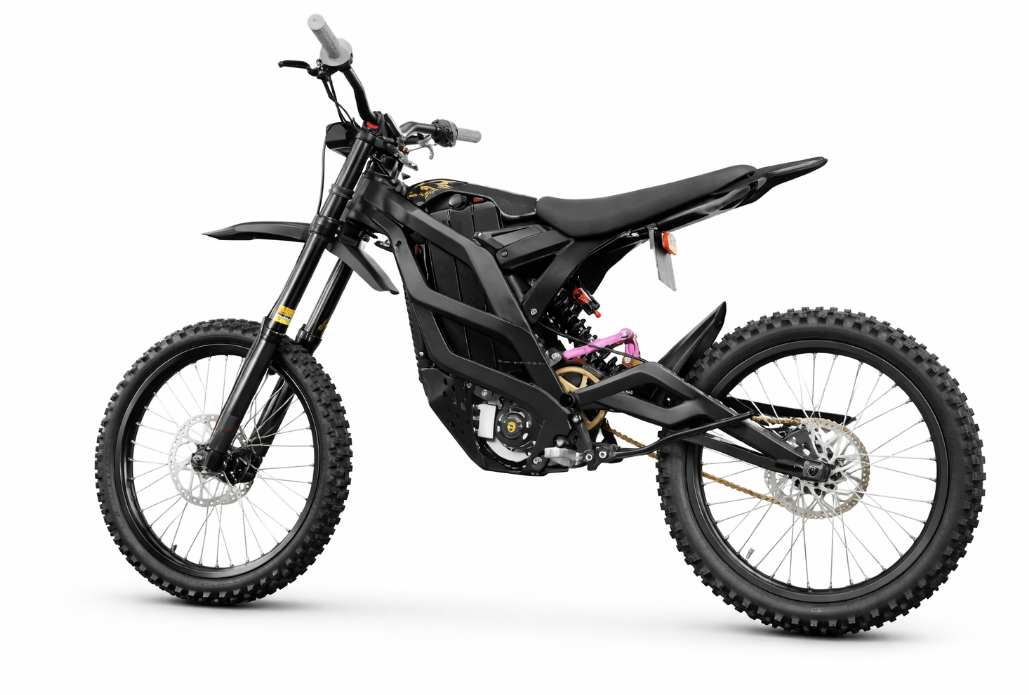
Build torque, range, and bragging rights—your diy electric pit bike isn’t just a ride, it’s rebellion on two wheels with battery‑fueled bite.
Building a diy electric pit bike feels a little like cooking your own secret-recipe barbecue—store-bought is fine, but homemade hits different. You want torque that snaps, range that doesn’t bail halfway through the trail, and a ride that fits you like broken‑in boots. Off-the-shelf bikes? Close, but no cigar.
BloombergNEF reports global EV sales topped 14 million in 2023. The shift is real. Riders want electric—and personal.
This guide cuts the fluff. Motors, batteries, wiring—plain talk. No smoke and mirrors. Just the stuff that keeps your throttle grin wide and your wallet from crying uncle.

5 Steps To Plan Your DIY Electric Pit Bike
Building a diy electric pit bike sounds wild at first, but once you break it down, it’s totally doable. From picking the right terrain to dialing in comfort, every choice shapes how your electric pit bike feels, rides, and performs long term.
Determining Your Mission: Terrain, Range, and Speed Requirements
When planning a diy electric pit bike, lock in your riding goals:
-
Terrain type
-
Off-road
-
Needs strong terrain type focus
-
Higher ground clearance
-
Better traction for rough riding conditions
-
-
On-road
-
Stable setup
-
Efficient power delivery
-
-
-
Performance targets
-
Maximum speed for open trails or tracks
-
Desired range based on commute or play time
-
Expected battery life under real load
-
A backyard electric pit bike build feels different from a trail-focused diy electric mini bike. Be honest about where you’ll ride.
Selecting the Right Battery Capacity for Your Ride
Your battery capacity defines freedom.
-
Core specs:
-
Voltage
-
Ampere-hours
-
Safe discharge rate
-
-
Battery types:
-
Lithium-ion
-
High energy density
-
Lighter weight
-
-
Lead-acid
-
Lower cost
-
Heavier frame impact
-
-
For a diy electric pit bike, balancing weight and range is key. Brands like hezzo focus on smart lithium-ion setups that don’t make your build feel bulky.
Matching Motor Power: Rated Power vs. Peak Torque
Power isn’t just numbers.
-
Motor type:
-
Brushless motor
-
Efficient
-
Low maintenance
-
-
Brushed motor
- Budget friendly
-
-
Output details:
-
Rated power for steady riding
-
Peak torque for quick launches
-
Proper motor controller tuning
-
Real-world power output under load
-
A strong diy electric pit bike setup matches motor power to terrain, not ego. Too much torque on loose dirt just wastes grip.
Designing Frame Geometry and Suspension Layout
Your frame decides how the electric pit bike handles.
-
Frame geometry
-
Optimized wheelbase for stability
-
Adequate ground clearance
-
-
Suspension type
-
Front suspension
- Fork travel matched to jumps
-
Rear suspension
- Quality shock absorbers
-
A diy electric pit bike built for trails should feel planted, not twitchy. hezzo models often show how balanced geometry keeps control tight without killing agility.
Planning Ergonomics: Seat Height and Handlebar Position
Comfort equals confidence.
-
Fit points:
-
Correct seat height
-
Natural handlebar position
-
Solid footpegs
-
-
Rider alignment:
-
Relaxed riding posture
-
Clean control layout
-
Long-term rider comfort
-
A well-fitted diy electric pit bike doesn’t fight you. It moves with you. When your electric pit bike feels right, every ride lasts longer—and yeah, it’s way more fun.
4 Key Parts For Your Electric Pit Bike Build
Building a diy electric pit bike is more than bolting parts together. When you break down diy + electric + pit + bike, it’s about hands-on control, clean power, tight geometry, and pure fun. A smart diy electric pit bike build starts with four core systems that shape performance and safety.
Brushless DC Motor with Optimal Torque Rating
For a serious diy electric pit bike, your motor setup decides how hard it pulls and how long it lasts.
-
Motor type
-
Hub motor
-
Simple install
-
Clean wiring
-
-
Mid-drive
-
Better weight balance
-
Stronger hill climbing
-
-
-
Core performance specs
-
Power output matched to riding style
-
Voltage rating aligned with battery
-
Target RPM range for dirt tracks
-
High low-end torque for punchy starts
-
-
Support systems
-
Efficient cooling system for heat control
-
Smooth controller compatibility to avoid power lag
-
Many riders upgrading to a hezzo-spec motor notice faster throttle response without frying components.

High-Capacity Lithium-Ion Battery Pack
Your electric pit bike is only as good as its battery.
-
Battery fundamentals
-
Stable battery chemistry
-
Correct voltage pairing
-
Solid capacity (Ah) for ride time
-
Safe discharge rate for hard pulls
-
-
Protection and usability
-
Reliable BMS (Battery Management System)
-
Overcharge cut-off
-
Thermal monitoring
-
-
Practical charging time
-
Impact-resistant enclosure mounted low in frame
-
A balanced pack keeps your diy electric pit bike steady through jumps and tight turns. Many diy electric builds now mirror layouts seen in hezzo models for cleaner wiring and safer placement.
Sturdy Aluminum Alloy Frame and Full Suspension
A proper diy electric pit bike needs structure that won’t flex under load.
-
Frame design
-
Lightweight frame material
-
Smart frame geometry
-
Stable wheelbase
-
Adequate ground clearance
-
-
Suspension system
-
Tuned suspension type
-
Long front fork travel
-
Adjustable rear shock absorber
-
-
When your electric pit bike frame and suspension work together, landings feel controlled instead of sketchy.
Hydraulic Disc Brakes and Rotor Selection
Stopping power matters just as much as speed on a diy electric pit bike.
-
Brake configuration
-
Responsive brake type: hydraulic
-
Matched caliper type for piston force
-
-
Rotor setup
-
Proper rotor diameter for heat control
-
Compatible mounting standard
-
-
Control details
-
Durable lever material
-
Correct hose length
-
Heat-resistant pad compound
-
Dialed-in brakes transform a fast diy electric pit bike into a safe one. Many riders upgrading to hezzo-style hydraulic systems say the difference in lever feel is night and day.
Wiring Confusion? Simplify With This Diagram
Building a diy electric pit bike sounds fun—until the wires start looking like spaghetti. Relax. Once you break it down into battery, motor, and controls, it clicks. This guide keeps your electric pit bike build clean, safe, and ready to rip.
Main Power Connections: Battery, BMS, and Controller
A solid diy electric pit bike starts with clean power routing.
-
Core Power Flow
-
From Battery Pack
-
Connect positive lead → Main Fuse → Power Switch
-
Negative lead → Battery Management System (BMS)
-
-
From BMS
- Output leads → Motor Controller
-
Charging Path
- Charging Port wired through BMS charge terminals
-
-
Voltage Matching Guide
| Battery Voltage (V) | Controller Rating (V) | Main Fuse (A) | Typical Pit Bike Power (W) |
|---|---|---|---|
| 36V | 36V | 30A | 500–800W |
| 48V | 48V | 40A | 800–1500W |
| 60V | 60V | 50A | 1500–2500W |
| 72V | 72V | 60A | 2500W+ |
Keep wires short. Tight terminals. No loose crimps. That’s how a diy electric mini bike stays cool under load.
Motor Phase and Hall Sensor Wiring Explained
Smooth throttle depends on correct motor pairing.
-
High-Current Side
-
Match colored Motor Phase Wires from Motor Cable to controller outputs.
-
Secure inside protective Wiring Harness sleeves.
-
-
Signal Side
-
Plug Sensor Connector from Hall Effect Sensors into controller port.
-
If motor jerks or runs backward:
-
Swap any two phase wires
-
Re-test
-
Fine-tune until rotation is smooth
-
-
Bad alignment causes heat. Good alignment gives crisp torque. Simple as that.
Integrating Throttle, Display, and Lighting Circuits
Now the fun stuff—controls.
-
Install Throttle Grip into controller throttle port.
-
Mount Display Unit for speed and battery data.
-
Connect Headlight, Taillight, and Brake Light Switch using sealed Wiring Connectors.
Dial in speed limits and pedal-assist style output (if your electric pit bike build supports it). Brands like hezzo design controller layouts that keep these plug-ins straightforward, which saves time on a diy electric pit bike project.
BloombergNEF’s 2025 electric mobility outlook notes that “light electric vehicles are seeing accelerated adoption due to affordability and modular battery systems,” highlighting why custom electric pit bike projects are booming.
Clean wiring equals fewer headaches. Build it right once, and your diy electric pit bike will fire up every time you hit that throttle.

FAQs about Diy Electric Pit Bike
1. What should I define before starting my DIY electric pit bike build?
Start with your riding reality. A diy electric pit bike built for tight dirt trails feels very different from one meant for neighborhood streets.
-
Terrain: off-road tires, knobby tires, larger wheel diameter, strong puncture resistance.
-
Speed & range goal: match battery capacity and rated power output to your daily distance.
-
Ride feel: aggressive frame geometry for trails, calmer setup for urban use.
Clear goals prevent overspending on peak power you may never use.
2. How do I choose the right motor for a diy electric pit bike?
Your motor defines the bike’s personality.
1) Brushless DC motor is the standard choice for efficiency and durability.
2) Mid-drive motor → better weight balance, stronger torque rating for climbing.
3) Hub motor → simpler install, quieter feel.
Check both rated power output (steady speed) and peak power (quick bursts). If you crave sharp acceleration and hill climbs, prioritize torque over top speed numbers.
3. What battery features matter most for real-world riding?
A diy electric pit bike lives or dies by its lithium-ion battery.
Short guide:
-
Higher battery capacity (Ah) = longer rides.
-
Correct voltage rating = smooth controller settings.
-
Long charge cycle life = fewer replacements.
-
Removable battery = easy indoor charging.
-
Fast charging capability = less waiting, more riding.
Balance range with weight. A huge pack feels powerful—but can dull handling.
4. Why are frame and suspension choices so critical?
The frame carries both speed and fear.
An aluminum alloy frame keeps weight low and resists rust, while a steel frame absorbs vibration but adds heft. Pair it with:
-
Front suspension fork for steering control
-
Rear shock absorber for landing stability
-
True full suspension for rough terrain
Smart frame geometry keeps the bike stable at speed and calm in tight turns. Poor geometry makes even strong motors feel unstable.
5. How do braking, wheels, and ergonomics affect safety and comfort?
Power thrills. Control protects.
| Component | What to Look For | Why It Matters |
|---|---|---|
| Brakes | Hydraulic disc brakes, larger rotor size | Stronger stopping power, better brake lever feel |
| Wheels | Spoked wheels, proper tire width | Strength on rough ground |
| Tires | Knobby off-road tires | Grip in dirt and mud |
| Controls | LCD display, smooth throttle type, integrated lighting | Clear feedback at speed |
| Fit | Seat height adjustment, handlebar width, grip comfort, footpeg position | Overall ride comfort |
When brakes bite cleanly and your body position feels natural, a diy electric pit bike stops feeling like a project—and starts feeling like freedom.
Compartir:
Buyer’s Guide to Choosing the Best Dirt Electric Bikes
How to Build a DIY Electric Pit Bike: A Complete Step-by-Step Guide