
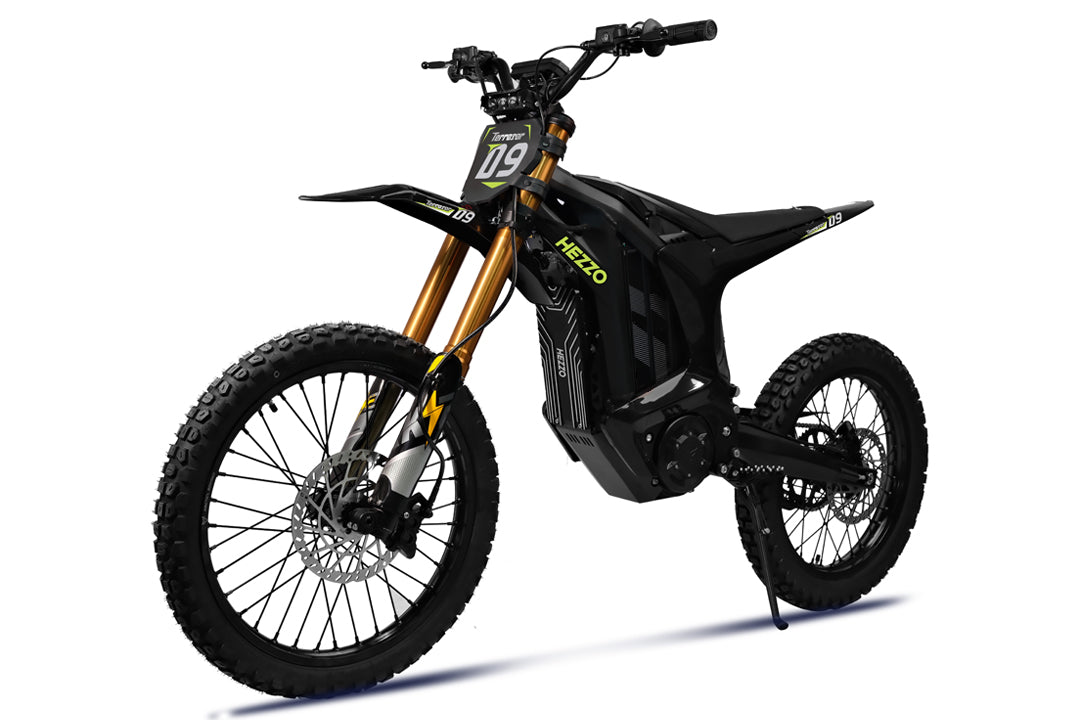
Quiet torque, wild freedom, and zero gas drama—build your own diy electric dirt bike that hums rebellion and handles every trail like a boss.
Building a diy electric dirt bike isn’t just a garage project—it’s a little rebellion on two wheels. Gas bikes roar; this one hums like a secret. You want torque that snaps, range that doesn’t quit halfway up the trail, and parts that won’t flake out when the mud gets thick. The problem? Specs blur together, price tags sting, and every seller swears theirs is “top of the line.”
The International Energy Agency reports over 14 million electric vehicles sold globally in 2023—momentum isn’t hype, it’s market fact.
So here’s the straight talk: understand the motor, battery, and build, or risk buying a shiny headache. Get the guts right, and that quiet beast under you will climb like a mountain goat and ride like freedom.

Components of Your DIY Electric Dirt Bike
Building a diy electric dirt bike is more than bolting parts together. It’s about tuning motor, battery, suspension, and frame so your electric dirt machine feels alive under you. From backyard builds to serious trail setups, every diy electric dirt bike project starts with smart component choices and solid balance.
Motor Power and Controller Type Essentials
At the core of any diy electric dirt bike sits the motor power rating and the right controller type. This combo decides how hard your electric dirt bike pulls and how smooth it feels on rough ground.
-
Motor Power (Watts & Torque)
-
Entry Builds (1,500W–3,000W)
-
Great for light trails
-
Moderate top speed
-
Lower heat output
-
-
Mid-Range Builds (3,000W–6,000W)
-
Strong acceleration
-
Solid hill climbing
-
Balanced for diy electric dirt bike riders
-
-
High-Performance (8,000W+)
-
Aggressive torque
-
Advanced cooling required
-
Demands stronger battery pack
-
-
-
Controller Type
-
Sine Wave Controller
-
Smooth torque delivery
-
Quieter ride
-
Better for trail control
-
-
Square Wave Controller
-
Budget-friendly
-
Raw power feel
-
Slightly louder operation
-
-
-
Matching Logic
-
High watt motor → programmable controller
-
Trail riding → soft-start throttle mapping
-
Urban commuting → eco + sport mode switching
-
According to the International Energy Agency’s 2024 Global EV Outlook:
Electric two-wheelers continue to grow in urban and recreational markets due to improved power electronics and battery efficiency.
Brands like hezzo design controller systems that sync tightly with mid-to-high power motors, making your diy ebike build feel dialed in instead of jerky.
Selecting Battery Capacity for Optimal Range per Charge
Your battery capacity shapes the real-world range of a diy electric dirt bike. More amp-hours mean longer rides, but also extra weight. Balance matters.
Key battery specs:
-
Voltage (V) impacts speed potential
-
Amp-hours (Ah) determine range
-
Battery Management System (BMS) protects cells
-
Lithium-ion cells dominate modern builds
Battery Performance Reference Table
| Voltage (V) | Capacity (Ah) | Estimated Range (km) | Charge Time (hrs) | Weight (kg) |
|---|---|---|---|---|
| 48V | 20Ah | 35–45 | 4–5 | 9 |
| 60V | 25Ah | 45–60 | 5–6 | 12 |
| 72V | 30Ah | 60–80 | 6–7 | 15 |
| 72V | 40Ah | 80–100 | 7–8 | 19 |
| 84V | 45Ah | 95–120 | 8–9 | 22 |
When tuning your diy electric dirt bike:
-
Estimate average ride distance.
-
Add 20% buffer for hills and throttle bursts.
-
Confirm frame space and weight distribution.
A well-placed battery keeps your electric dirt machine stable in corners. hezzo battery systems often integrate smart BMS tech, giving diy electric dirt bike builders peace of mind.
Suspension Travel: Balancing Off-Road Capability and Comfort
Suspension makes or breaks an electric dirt bike build. Too stiff, and your wrists hate you. Too soft, and control disappears.
-
Front Fork Travel
-
120–150mm
-
Light trail use
-
Lower seat height
-
-
180–220mm
-
Serious dirt riding
-
Better shock absorption
-
-
-
Rear Shock System
-
Spring preload adjustment
-
Rebound damping control
-
Linkage vs direct mount design
-
-
Comfort vs Performance
-
Long travel = better obstacle handling
-
Shorter travel = tighter urban feel
-
Adjustable suspension = best of both worlds
-
For a diy electric dirt bike that sees mixed terrain:
-
Trail weekends
-
Gravel roads
-
Occasional street cruising
…an adjustable rear shock with 200mm travel hits the sweet spot.
Frame Material, Tire Type, and Build Quality Considerations
The frame material defines strength and weight. The tire type defines grip. Together, they shape your diy electric dirt bike personality.
-
Frame Choices
-
Steel Frame
-
Affordable
-
Heavier
-
Easy to weld
-
-
Aluminum Alloy
-
Lightweight
-
Corrosion-resistant
-
Ideal for electric dirt bike builds
-
-
Chromoly
-
High strength
-
Performance focused
-
-
-
Tire Type
-
Knobby off-road tires → loose soil traction
-
Dual-sport tires → mixed surfaces
-
Street tires → smooth asphalt
-
-
Build Quality Signals
-
Clean weld seams
-
Waterproof wiring harness
-
Sealed connectors
-
Documented warranty coverage
-
A diy electric dirt bike isn’t just about speed. It’s about durability. Builders who choose reinforced frames and proper off-road tires notice fewer cracks and fewer headaches down the road.
Brake System, Traction Control, and Safety Features
Stopping power matters more than raw watts. A fast diy electric dirt bike without proper brake systems feels sketchy.
-
Brake System Levels
-
Mechanical disc
-
Hydraulic disc
-
Dual-piston hydraulic with large rotors
-
-
Traction Control Features
-
Basic throttle limiting
-
Wheel-speed sensor monitoring
-
Programmable torque maps
-
-
Essential Safety Add-ons
-
Integrated lighting system
-
Horn functionality
-
Kill switch
-
Water-resistant connectors
-
Look for:
-
220mm+ rotor size
-
Adjustable brake levers
-
Heat-resistant pads
A serious diy electric dirt bike build pairs hydraulic brakes with stable traction tuning. Many riders upgrading to hezzo systems appreciate factory-calibrated braking balance, especially on loose gravel.
When all these parts click together—motor, battery, suspension, frame, brakes—you don’t just have an electric dirt bike. You’ve got a dialed-in diy electric dirt bike built your way, ready to rip.
4 Steps to Assemble the Chassis
Building a diy electric dirt bike is where garage dreams meet real torque. Once your electric dirt bike parts are lined up, it’s all about clean assembly and smart alignment. This diy electric dirt bike guide keeps it practical, hands-on, and rider-focused.
Step 1: Mounting Frame and Suspension Components
A solid dirt bike frame sets the tone for your diy electric dirt bike. Everything connects here.
-
Core structure
-
Install frame mounts and confirm torque specs
-
Press in headset bearings smoothly
-
-
Front suspension
-
Align the front fork with steering tube
-
Check travel clearance before tightening
-
-
Rear suspension
-
Mount rear shock absorber
-
Connect swingarm pivot bolt and test movement
-
When assembling:
-
Keep the frame level on a stand.
-
Insert bearings with even pressure.
-
Tighten bolts diagonally to avoid stress twist.
Key checks:
-
No metal-on-metal grinding
-
Suspension compresses freely
-
Frame geometry stays centered
A properly aligned electric dirt bike frame keeps weight balanced. That matters when your electric dirt bike build hits rough trails or tight urban corners. Brands like hezzo design their geometry around stability, which helps when replicating a diy electric dirt bike layout at home.

Step 2: Installing Wheelset and Tire Alignment
Your diy electric dirt bike only rides as smooth as its wheel alignment.
-
Wheel components
-
Front wheel and rear wheel
-
Tightened spokes across balanced rims
-
Off-road ready tires
-
-
Drive alignment
-
Straight axles
-
Centered brake rotors
-
Accurate chain alignment
-
Wheel Alignment Reference Table
| Component | Ideal Torque (Nm) | Tolerance (mm) | Check Frequency | Impact on Ride |
|---|---|---|---|---|
| Front Axle | 45–55 | ≤1.0 | Every build | Steering feel |
| Rear Axle | 60–75 | ≤1.0 | Every build | Stability |
| Spoke Tension | 4–6 | ≤0.5 | 100 km | Rim balance |
| Brake Rotor Runout | — | ≤0.3 | 200 km | Braking |
| Chain Alignment | — | ≤1.5 | 100 km | Power transfer |
Tire pressure tweaks traction. Slight misalignment? You’ll feel wobble fast. A clean electric dirt bike setup keeps braking sharp and acceleration smooth. For a diy electric dirt bike, double-check both wheels spin freely before powering up.
Step 3: Securing Battery Pack and Wiring Harness
Power defines a diy electric dirt bike. The electrical core needs tight installation and clean routing.
-
Battery housing
-
Reinforced battery box
-
Shock padding around lithium-ion battery
-
-
Control system
-
Secure controller near airflow path
-
Protected wiring harness routing
-
-
Safety elements
-
Weather-sealed connectors
-
Inline fuses
-
Accessible power switch
-
Insulated motor cables
-
Installation flow:
-
Fit the battery inside the frame cavity.
-
Lock the box with vibration-resistant bolts.
-
Route cables away from moving parts.
-
Secure harness with clamps, not zip ties alone.
Keep wires tidy. Loose cables rattle and wear down insulation. A well-built diy electric dirt bike should stay quiet except for tire hum. Electric motocross bike builders often overlook airflow; leave breathing room around the controller to avoid heat buildup.
Step 4: Attaching Handlebar, Display Features, and Accessories
Control points turn your diy electric dirt bike from parts into a ride.
-
Steering and grip
-
Straight-mounted handlebar
-
Smooth throttle grip response
-
Adjustable brake levers
-
-
Rider interface
- Centered display unit for speed and range
-
Lighting and support
-
Bright headlight
-
Durable taillight
-
Balanced seat
-
Firm footpegs
-
Adjustment layers:
-
Ergonomics
-
Handlebar height matches rider stance
-
Brake reach fits hand size
-
-
Electronics
-
Display calibrated to wheel size
-
Lighting wired through main harness
-
-
Comfort
-
Seat bolts tightened evenly
-
Footpegs aligned for stable standing rides
-
A diy electric dirt bike should feel natural the moment you twist the throttle. Minor handlebar tilt can change control feel big time. Many riders upgrading with hezzo-compatible accessories note improved display clarity and cleaner cable routing.
By now, your diy electric dirt bike isn’t just a garage project. It’s a working electric dirt bike ready for dirt tracks, city paths, or weekend fun. Tight bolts, aligned wheels, protected wiring—that’s the difference between a shaky build and a legit electric motocross bike.
Hub Motor Vs. Mid-Drive Motor
Building a diy electric dirt bike means picking the right motor setup from day one. Your electric dirt bike build will feel totally different depending on the drive system. For any diy e dirt bike project, this choice shapes torque, balance, and pure riding fun.
Hub Motor
For many riders starting a diy electric dirt bike, a hub system feels like the easy win. The motor sits right in the wheel with tight wheel integration, cutting down on complicated fabrication.
-
Core layout
-
Direct drive
-
Fewer moving parts
-
Smooth, steady pull
-
-
Geared hub
-
Internal reduction
-
Better low-end torque
-
-
-
Why builders like it
-
Straightforward wiring
-
Minimal tuning
-
Lower ongoing maintenance
-
From a mechanical view:
-
Power delivery
-
Motor spins the wheel directly
-
No chain stress from motor output
-
-
Frame impact
-
Less modification
-
Slight rear-biased weight distribution
-
For a backyard diy electric dirt bike build, this simplicity matters. You mount it, connect the controller, and ride. Efficiency stays decent for city paths and light trails. Brands like hezzo often recommend hub options for riders who want plug-and-play fun without messing with sprockets or custom brackets.
Mid-Drive Motor
A mid-drive setup changes the vibe of a diy electric dirt bike completely. The motor mounts at the frame’s center using solid frame mounting, driving the rear wheel through a chain drive and sprocket system.
-
Drivetrain structure
-
Motor → gearbox
-
Gearbox → chain
-
Chain → rear sprocket
-
-
Performance gains
-
Stronger power transfer
-
Higher climbing ability
-
Improved central center of gravity
-
For trail riders building a serious diy electric dirt bike, this layout shines:
-
Torque management
-
Uses bike gearing
-
Multiplies output on steep climbs
-
-
Handling feel
-
Balanced mass
-
Better jump control
-
The trade-off? More chain wear and closer attention to maintenance. Still, for an aggressive electric dirt bike build, mid-drive delivers that punchy throttle feel riders chase. Many advanced diy electric dirt bike fans, including those upgrading with hezzo performance kits, choose mid-drive when raw torque and hill dominance matter most.
Overheating Issues? Install a Temperature Sensor
Building a diy electric dirt bike is exciting, but heat can wreck the vibe fast. If your electric dirt bike build runs hot, small warning signs today can turn into pricey repairs tomorrow.
Recognizing Overheating Symptoms and Charging Time Risks
When tuning a diy electric dirt bike, heat usually shows up before failure. Pay attention to layered warning signals:
-
Performance Clues
-
Drop in throttle response linked to rising engine temperature
-
Noticeable performance degradation on climbs
-
Fading torque during longer rides
-
-
Battery and Charging Red Flags
-
Extended charging duration during battery charging
-
Warmer casing after normal cycles
-
Reduced range after full charge
-
-
Mechanical Stress Indicators
-
Subtle whining sounds tied to component stress
-
Burnt odor near controller
-
Dashboard alerts signaling overheating signs
-
For electric dirt bike enthusiasts and anyone assembling a diy electric bike for off-road use, ignoring heat is basically asking for downtime. Smart risk assessment keeps your ride trail-ready and your parts alive longer.
Choosing the Right Sensor: Water Resistance and Accuracy
Not all temperature sensor models are equal. On a diy electric dirt bike, mud and splashes are part of the fun.
Look for:
-
High waterproof rating (IP67 or above)
-
Tight measurement range suited for motor heat
-
Fast response time to catch spikes early
Accuracy matters. Strong sensor accuracy plus solid compatibility with your controller keeps data honest. Add in long-term durability, and you’ve got reliable protection for your electric dirt bike build. Brands like hezzo design systems with heat monitoring in mind, which makes upgrades smoother and less stressful.

Installation Tips for Longevity and Ease of Repair
Proper sensor placement can make or break your setup.
-
Mounting Strategy
-
Attach near motor casing using a stable mounting bracket
-
Keep clear of moving chains and debris
-
-
Wiring Layout
-
Route along existing wiring harness
-
Seal electrical connections with heat-resistant sleeves
-
Protect exposed lines using protective casing
-
-
Future Maintenance Planning
-
Leave visible access points
-
Allow simple maintenance access without full teardown
-
If you're building a diy electric dirt bike, make it easy on future-you. hezzo riders often say smart installs today mean fewer headaches tomorrow. Keep it cool, keep it simple, and let your electric dirt bike rip without cooking itself.
FAQs about Diy Electric Dirt Bike
Why does motor power matter so much in a diy electric dirt bike build?
Motor power shapes the personality of your diy electric dirt bike. It directly affects:
-
Top speed on a dirt track
-
Acceleration out of tight trail corners
-
Climbing ability on steep mountain terrain
Paired with the right controller type and power modes, stronger torque brings sharper throttle response for off-road capability. Too much power without balance, though, can hurt handling characteristics and raise noise level, especially during urban commuting. The thrill comes from tuning power to your riding style, not chasing numbers alone.
How do I choose the right battery capacity?
Battery capacity controls two emotional factors: freedom and weight.
-
Larger capacity → longer range per charge, fewer charging stops.
-
Smaller pack → lighter weight distribution, quicker steering feel.
A heavier pack can stabilize the frame material over rough ground but may reduce agility during trail riding. Also consider charging time and water resistance for real-world use. A well-secured battery improves build quality and supports component longevity, keeping your rides smooth instead of stressful.
What setup improves off-road capability the most?
Real off-road confidence comes from harmony between key bike components:
-
★ Suspension travel with suspension adjustability for rocks and jumps
-
★ Tire type that grips loose soil or wet dirt
-
★ Strong brake system delivering steady braking performance
-
★ Balanced frame material for durability without killing agility
Longer suspension travel boosts seat comfort and control on uneven terrain. Pair it with traction control and responsive braking, and the bike feels planted instead of wild. That balance defines true off-road capability.
Which safety and durability features should I prioritize?
A diy electric dirt bike should protect both rider and machine. Focus on:
-
Reliable brake system + traction control for high-speed dirt track runs
-
Bright lighting system, horn functionality, and a quick-access kill switch
-
Clean wiring layout for ease of repair and lower noise level
-
Solid warranty coverage and upgradeability for future tuning
Good display features help monitor speed, battery capacity, and system health in real time. When safety features and maintenance planning align, you ride harder—with confidence instead of doubt.
Compartir:
How to Build a DIY Electric Pit Bike: The Ultimate Step-by-Step Guide
Dirt Electric Bikes vs. Gas Models: Which One Wins the Trail?