
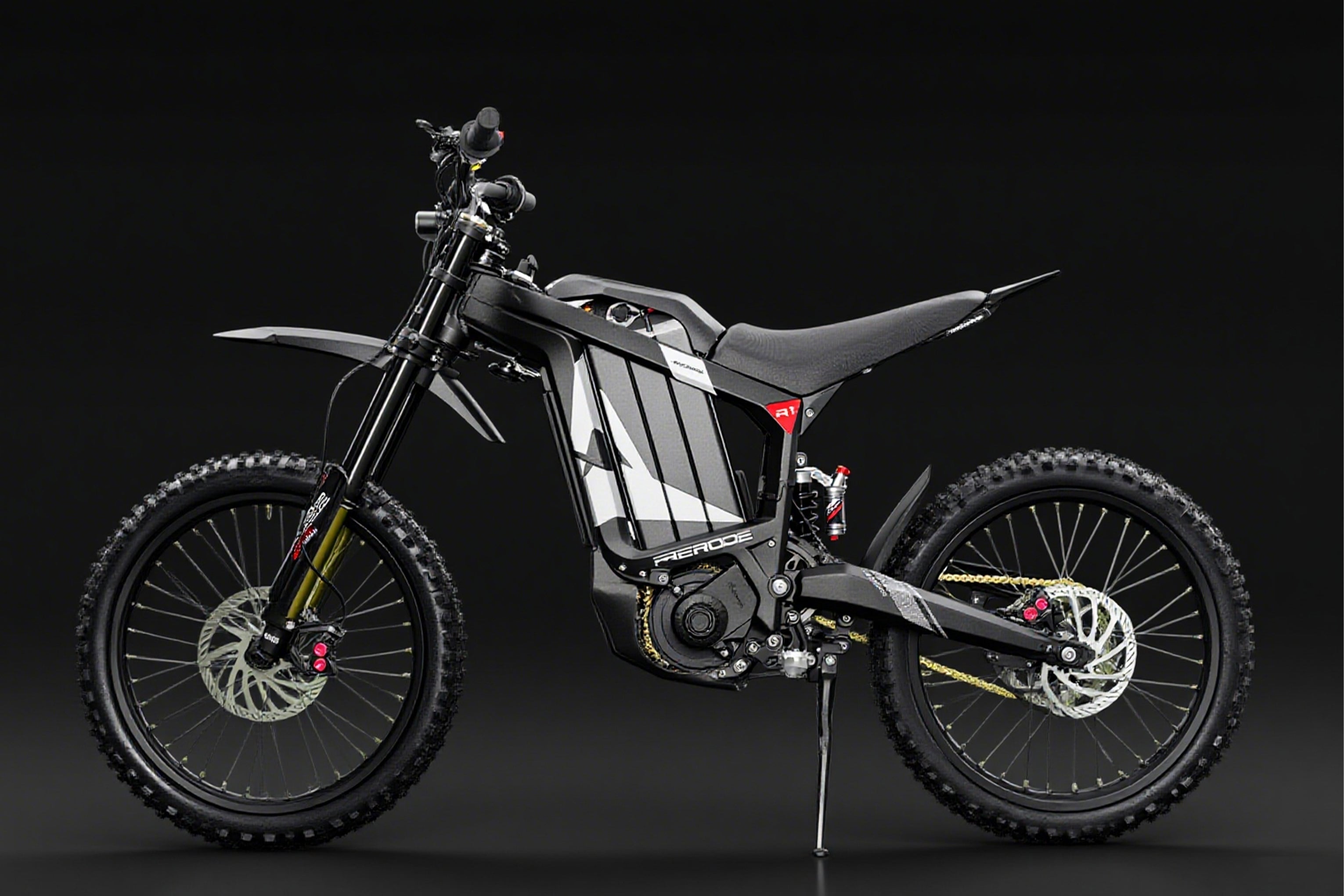
Here's a surprising fact - the United States doesn't have a national minimum age requirement for riding an electric dirt bike . This overlooked detail marks the starting point of electric dirt bike safety that many parents miss.
You'll spot electric off-road bikes for teens everywhere these days - from dirt trails to farm tracks and suburban backyards . Their popularity keeps growing, yet parents often mistake them for regular electric bicycles with pedal-assist features. The reality? Most electric dirt bikes fall under the legal category of off-highway motorcycles . These powerful machines pack quite a punch - ranging from 250 watts for beginners to an impressive 5,000 watts for professional-grade bikes . This creates a major safety challenge when riders lack experience.
Electric dirt bikes can zoom faster and hit speeds over 50 mph . This means longer stopping distances and potentially more serious crashes compared to regular bicycles . The jump from a standard bicycle to a motorized dirt bike represents a huge shift in speed, terrain complexity, and injury risks .

Parents must grasp both safe riding techniques and their state's specific regulations. Each state has its own rules - California demands strict supervision for minors , while Texas focuses on matching bikes to appropriate age groups . Making sense of these electric dirt bike laws can leave many confused.
This detailed guide will show you everything about keeping your teen safe during this exciting activity. We'll cover the right protective gear and walk through training techniques step by step.
Understanding Legal Rules and Age Requirements
Legal rules for electric dirt bikes can be confusing. Each state has its own regulations that vary substantially. Electric dirt bikes don't follow the same rules as regular bicycles or standard e-bikes. They belong to different legal categories with specific age limits and usage restrictions.
Electric dirt bike laws by state
Most U.S. states put high-powered electric dirt bikes in the off-highway vehicles (OHVs) category instead of bicycles. Riders must be 16 years old to operate electric dirt bikes that go faster than 20 mph. Age requirements change based on your location and vehicle type.
California sets clear rules to distinguish these vehicles from standard e-bikes. The state labels electric motorcycles from Sur-Ron and Talaria as off-highway motorcycles. These don't meet the state's definition of electric bicycles. California law states that an electric bicycle must have working pedals and a motor under 750 watts.
The power gap is huge. Popular electric dirt bikes come with motors that produce 6000W or more. That's eight times more powerful than legal e-bikes. These bikes reach speeds up to 47 MPH, which goes way beyond what standard electric bicycles can do.
State registration rules vary:
-
Some states need all electric dirt bikes registered through their DMV as off-highway vehicles
-
Alabama requires a driver's license and registration for all e-bikes
-
Hawaii makes registration mandatory for all e-bikes
-
North Dakota and West Virginia put some e-bikes under moped laws that need licenses
Differences between public and private land
Rules change based on where you ride. The law says every off-highway motor vehicle without highway registration must show an off-highway ID plate when used on public lands.
Registration rules don't apply on private property that landowners control directly. You might not need to register your bike if you ride only on your land or a friend's property with permission.
Public trails, parks, or any public land need proper registration. State vehicle codes require appropriate off-highway identification when riding on public lands. You might face citations and vehicle impoundment without proper registration.
Why e-bike laws don't apply to dirt bikes
Parents often think electric dirt bikes follow standard electric bicycle rules - they don't. This mix-up happens because of big technical differences.
U.S. federal law defines standard electric bicycles as having:
-
Motors less than 750W
-
Maximum assisted speeds of 28 mph or less
-
Classification into three distinct categories (Class 1, 2, and 3)
High-performance electric dirt bikes go way beyond these limits. Your bike becomes something else legally once it passes the 750W/28mph mark. State laws then call it a "motor-driven cycle," "moped," or even a full "motorcycle".
This difference matters. Your teen's electric dirt bike must follow the same rules as gas-powered motor vehicles in many places. State DOTs have made it clear - going over 750W motor limit or unlocking speeds above 28 mph makes it a motorcycle.
The legal line stands firm. True e-bikes get treated like bicycles. Powerful electric dirt bikes are off-road electric motorcycles by law. You can't ride them on public roads or bike paths without proper registration and licensing. This basic difference helps ensure safe and legal riding for teens.
Is Your Teen Ready to Ride?
Your teen might be excited about that shiny new electric dirt bike, but age requirements aren't the only factor to consider. Their physical capabilities, mental maturity, and awareness of safety all play vital roles in determining if they're ready for this thrilling yet potentially dangerous activity.
Physical fit and control check
Electric dirt bikes weigh more and move faster than regular bicycles, which makes physical readiness a vital part of safe operation. Parents should assess these physical attributes:
-
Strength and size assessment: Your teen should be strong enough to control the bike and lift it if it falls. Their feet need to touch the ground naturally while seated for better stability [29, 30].
-
Coordination capabilities: Riding off-road helps build balance and motor skills. Your teen needs these basic skills before starting. Those who show good hand-eye coordination in team sports will handle the quick decisions dirt biking requires.
You can test your teen's readiness by watching how they handle a regular bicycle on different types of terrain. This gives you a full picture of whether they can control a motorized dirt bike.
Mental focus and judgment
Mental readiness matters just as much as physical ability. Teens go through major cognitive changes that affect how they ride.
Electric dirt bikes need riders to constantly scan their environment and react quickly—these skills develop over time. Studies show that children's response times get better with age and become similar to adults' around age 14. This matches the age when many teens can handle complex tasks that need divided attention.
Notwithstanding that, developmental psychologists point out two common thinking patterns in teens:
-
Sense of invulnerability: Many teens think "bad things happen to others, not me"
-
Risk underestimation: They often don't see how dangerous situations can be
These thinking patterns explain why thrill-seeking behaviors increase between ages 9-14 and peak in late teens. Parents should honestly assess their teen's impulse control, ability to follow instructions, and respect for the bike's power.
Safety habits and environment awareness
The last piece of readiness involves proper safety habits and awareness of surroundings. Electric dirt bikes need specific safety practices beyond regular cycling.
Riders must always scan ahead for obstacles like loose gravel, hidden ruts, sudden drops, and tree roots that could cause accidents. This awareness needs to become automatic before teens ride alone.
Your teen should show these qualities before riding:
-
Rules comprehension: They understand and follow safety rules
-
Hazard perception: They spot potential dangers quickly
-
Proper reaction timing: They respond well to unexpected situations
-
Self-regulation: They adjust their behavior based on conditions and skill level
-
Receptiveness to feedback: They learn from advice and improve their techniques
Ready teens understand their limits and know when to say no to challenges beyond their skills [47, 48]. They don't fall into the trap of comparing themselves to more experienced riders.
Practice makes perfect. Teens need lots of supervised riding time in different conditions before going solo. This step-by-step approach helps build the detailed skills needed to ride electric dirt bikes safely.
Essential Safety Gear for Teen Riders
Quality protective gear stands between your teen rider and injury risks on an electric dirt bike. Your next priority should be investing in protective equipment after you decide your teen can handle riding.
Helmet and eye protection
A helmet is the most important piece of safety gear any dirt bike rider needs. Your teen's brain cannot heal like a broken bone, so head protection isn't optional. Look for proper certification when buying a helmet—DOT, SNELL, or ECE approval will give a helmet that meets 20-year-old safety standards.
The right fit matters more than brand names or style. Here's how to measure your teen's head size:
-
Place a soft measuring tape around their head, just above eyebrows and ears
-
Make sure the tape sits snugly but not too tight
-
Compare this measurement with manufacturer sizing charts
The helmet needs to fit snugly without pressure points. The helmet should barely move and stay secure when your teen shakes their head. Full-face models work best for electric dirt bike riding because they offer complete protection with extended coverage and chin bars that block branches and debris.
Quality goggles with anti-fog coatings and UV protection shield your teen's eyes from dust, mud, and flying debris on trails. Pick goggles that have foam seals to block particles while letting sweat escape.
Gloves, boots, and body armor
Gloves give you better grip control and hand protection. Kevlar-lined options with silicone palm prints help improve throttle control. You need padded knuckles, reinforced fingertips, and palm padding to protect against impacts while keeping control sensitivity.
Motocross boots provide the ankle support needed to prevent common trail twisting injuries. These specialized boots come with steel shanks, reinforced toe boxes, and buckle closures that protect against impacts. Good boots should allow about 20° of side flex while stopping overextension.
Body armor finishes your teen's protective gear setup. A chest protector with CE Level 2 certification protects against rocks and crash forces. Many parents choose modular armor systems that protect shoulders, elbows, and back. Look for spine protection designs with honeycomb padding that spreads force across multiple zones.
How to choose gear that fits and protects
Motocross gear sizing works differently than regular clothes. Each piece needs specific measurements:
Helmets need a head circumference measurement first. Let your teen try the helmet on next. The cheek padding should touch without pressure points, and you shouldn't be able to slide fingers between the head and liner.
Measure your teen's dominant hand circumference just below the knuckles while slightly cupped to fit gloves. The gloves should feel close to the skin but not restrict movement. Gloves usually stretch after use, so going down a size often works better.
Measure foot length from heel to big toe tip for boots. The boots should feel like a firm handshake—secure around the heel and ankle with space for thick socks. Different brands have different sizes, so check brand-specific sizing charts.
Factor in growth when buying teen gear. Protective items often have adjustment features, but never compromise safety for longer wear. Check how gear fits monthly since teens grow faster.
Protection matters more than cost. Quality gear costs more (helmets: $150-$600, goggles: $40-$150, gloves: $25-$100, boots: $150-$500, and riding apparel: $50-$200), but this equipment protects your teen through many rides and inevitable falls.
Setting Up the Bike for Safe Learning
A proper bike setup forms the foundations of electric dirt bike safety. After selecting the right safety gear, you need to configure the bike to match your teen's physical capabilities and experience level.
Choosing the right seat height and wheel size
The seat height is the most significant measurement when you select an electric dirt bike for your teen. Your teen's feet should comfortably touch the ground while seated on the bike. This ground contact builds confidence and stability during the learning phase.
Teens aged 14-16 need bikes with seat heights between 35-38 inches, which work well for riders 5'2" to 5'8" tall. Younger teens (12-14 years) usually need lower seat heights around 31-35 inches.
Wheel size affects handling and stability. Larger wheels (17-inch front, 14-inch rear) give better ground clearance and stability over obstacles. Bikes with moderately sized wheels help less experienced riders control better during learning.
A bike's width affects how easily teens can reach the ground - something many parents miss. A narrower frame makes ground contact available even with a taller seat height. This factor needs attention along with the numerical seat height measurement.
Using power modes and throttle limiters
Modern electric dirt bikes come with adjustable power settings that turn a single bike into multiple learning stages. These modes control:
-
Power output: Limits available horsepower for gradual skill development
-
Engine braking: Adjusts how quickly the bike slows when releasing the throttle
-
Torque control: Prevents wheel slip during acceleration
Power modes work like electronic training wheels. Start teens in the most restricted mode until they show consistent control skills. The Segway X160 offers three preset modes that increase power delivery as skills improve.
Throttle limiters create physical restrictions on throttle application. These devices make a mechanical stop that prevents full throttle use until adjusted or removed. A throttle limiter helps beginners by preventing accidental over-acceleration.
Advanced models now include terrain-responsive safety systems that cut power when sensors detect loose gravel or steep inclines. These systems add protection until teens develop their own terrain awareness.
Pre-ride setup checklist for parents
Complete this quick safety check before each riding session:
-
Visual inspection: Walk around the bike to spot loose, missing, or damaged parts
-
Battery check: Make sure the battery is fully charged, secured, and connections are tight
-
Tire assessment: Check proper inflation and look for damage or wear
-
Brake test: Ensure brake levers feel firm and responsive
-
Control verification: Test throttle's smooth operation and proper return when released
Newer models offer Bluetooth connectivity with parental controls through smartphone apps. These systems let you:
-
Set speed limits remotely
-
Create geofencing boundaries
-
Monitor riding patterns and routes
-
Enable voice communication through handlebar speakers
The Sur-Ron Light Bee logs complete ride data that shows exact routes and acceleration patterns. This information helps assess your teen's riding habits and address safety concerns before accidents happen.
Training Your Teen: A Step-by-Step Plan
A well-laid-out training plan revolutionizes how teens learn to ride electric dirt bikes safely. Breaking the process into progressive sessions helps build skills methodically and reduces crash risks.
Session 1: Braking and straight lines
Teens must master braking before they touch the throttle. Stopping becomes the most vital skill they'll learn. Your teen should practice locating and squeezing both brake levers while the bike stays stationary. The front brake delivers about 70% of stopping power, but grabbing it too hard can lead to a fall.
The "Two-Adult Drill" helps teens practice brakes effectively:
-
Position two adults about 100 yards apart in an open area
-
Give your teen a gentle push to coast toward the second adult
-
Their only task: brake smoothly to stop directly in front of the second person
-
Repeat until braking becomes automatic
After braking feels natural, introduce throttle control. Electric dirt bikes deliver immediate torque, so smooth acceleration matters. Your teen should practice gradual throttle application while keeping a straight line. Many beginners use too much throttle, which causes sudden power surges that become hard to control.
Session 2: Turning and balance
The next step focuses on cornering techniques in a wide, open area. These simple principles make a difference:
-
Look through the turn: Your teen's eyes should focus on the exit point, not directly in front of the wheel
-
Lean with the bike: Both bike and body should lean slightly inward for gentle turns
-
Weight the outside peg: This step increases traction and stability throughout the turn
Balance drills develop core skills needed for off-road riding. Standing on the pegs with slightly bent knees lowers the center of gravity and improves stability on rough terrain. Figure-8 patterns at slow speeds help develop balance at different lean angles.
Session 3: Trail etiquette and real-life practice
Trail behavior matters as much as riding skills. Your teen needs to learn these vital trail etiquette principles:
-
Yield to all non-motorized trail users including hikers and horses
-
Pull to the downhill side, turn off the motor, and speak calmly when meeting horses
-
Ride over obstacles instead of around them to prevent trail widening
-
Keep appropriate speed when passing others
Start practice in a controlled environment that mimics actual riding conditions before hitting real trails. Difficulty should increase gradually with small obstacles, gentle inclines, and varying surfaces. Set clear rules: ride only in designated areas, prove basic skills before solo riding, and always wear full protective gear.
The 80/20 principle guides all training sessions—master the core 20% of skills that prevent 80% of potential accidents. This targeted approach builds confidence and establishes lifelong safety habits.
Supervision and Safe Riding Locations
Safe and legal riding spots for your teen need careful research and planning. Training your teen properly comes first, but knowing where they can ride safely—and how closely to watch them—ended up determining their electric dirt bike safety.
Where teens can legally ride
Your backyard or a friend's property (with permission) is a great place to start practice. State OHV (Off-Highway Vehicle) parks are another excellent choice that feature beginner loops, clear signage, and rangers ready to help. National Forest and BLM lands let riders use designated trails shown on MVUM (Motor Vehicle Use Maps) . On top of that, many motocross tracks offer youth practice sessions with coaching.
Note that electric dirt bikes follow different rules than e-bikes and aren't allowed on multi-use trails. Make sure to check local regulations first.
How close should you supervise?
Your teen's age and experience should determine supervision levels. Young riders or beginners need you to keep visual contact and stay close enough to step in quickly if needed. Tweens should stay where you can see them while using agreed-upon hand signals. Even teens with experience need supervision—laws in many states require direct adult supervision for riders under 16 on public OHV lands.
Using radios and check-in points
Safety depends on good communication, especially when riders cover larger areas. Two-way radios are a great way to get immediate guidance without constant hovering. Modern systems come with helmet-mounted options that provide clear audio even over engine noise. Regular check-in points and time limits help keep everyone safe. Clear emergency plans should cover what to do during breakdowns or injuries.
Conclusion
Electric dirt biking gives teens an exciting outdoor experience, but safety should always come first. This piece explores everything about keeping your teen safe while they enjoy this thrilling activity.
The legal classification of electric dirt bikes is vital to understand. These powerful machines usually fall under off-highway vehicle regulations instead of e-bike laws. Your state might have specific permits and age restrictions.
Your teen's readiness depends on their physical abilities, mental maturity, and awareness of their surroundings. Since teens develop these skills at different rates, you need to be patient during evaluation.
Quality protective gear acts as your teen's main defense against injuries. A well-fitted helmet, eye protection, gloves, boots, and body armor create layers of protection that substantially reduce injury risks when falls happen.
The bike needs proper setup based on your teen's size and skill level. The right seat height, wheel size, and power limits create a foundation to learn safely. These adjustments should change as your teen's skills grow.
Our training approach builds skills step by step. Learning to brake, ride straight, turn, and balance before trying challenging terrain helps create safety habits that last a lifetime and prevent accidents.
Legal riding locations and proper supervision help your teen practice within safe limits. Two-way radios and check-in protocols are a great way to get extra safety during rides.
The trip to master electric dirt biking needs time and practice. You play a key role as both teacher and safety supporter in your teen's riding experience. By doing this, you'll help your teen learn riding skills and develop responsibility, good judgment, and risk awareness—traits that go way beyond the reach and influence of dirt trails.
Note that safety isn't just about rules—it creates an environment where teens build confidence while avoiding unnecessary risks. With the right equipment, training, and supervision, electric dirt biking can become a rewarding activity that creates lasting memories for your teen.
Compartir:
How to Ride E-Bikes Legally: California E-Bike Laws 2024 Made Simple
How to Maintain Your Electric Dirt Bike Battery (Double Its Lifespan Today)