
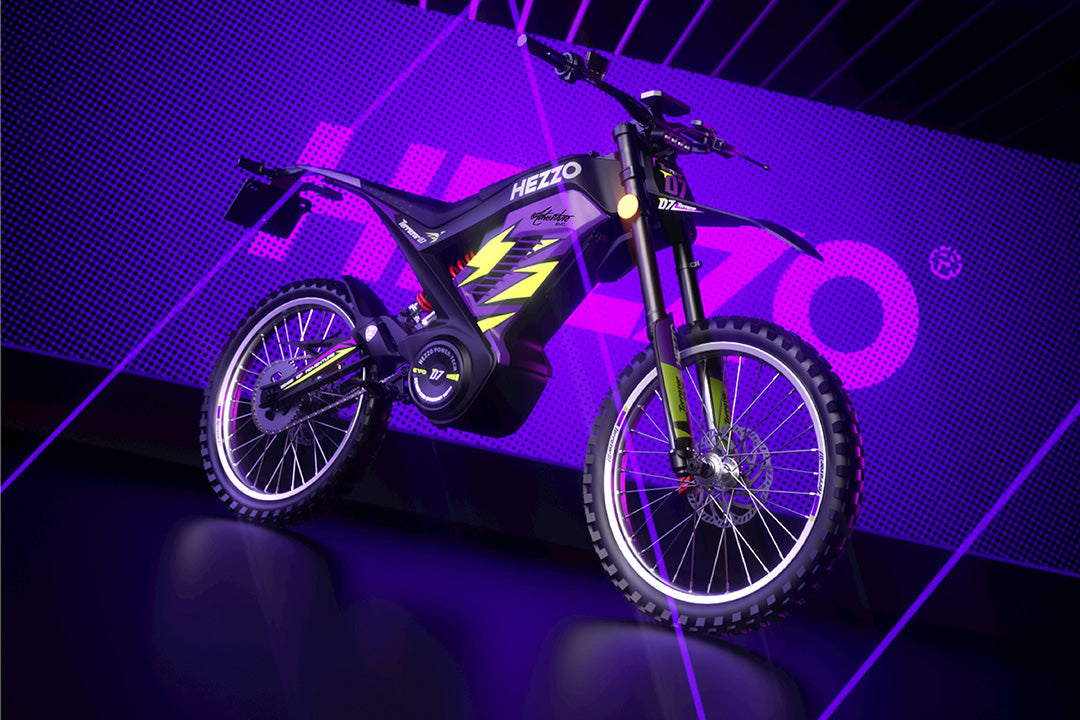
California's e-bike laws in 2024 classify electric bikes into three distinct categories. These classifications play a vital role in ensuring legal and safe riding throughout the state.
Your e-bike's class affects more than just its technical specifications. The classification determines your riding locations, helmet requirements, and applicable age restrictions. Class 1 and Class 2 e-bikes can reach speeds up to 20 mph, while Class 3 models go faster at 28 mph . The state requires riders to be at least 16 years old to operate a Class 3 e-bike . California's helmet laws vary based on your e-bike's class, with Class 3 riders required to wear helmets.

Let us help you understand the regulations around electric bikes in California. Our comprehensive coverage will help you determine if your e-bike meets street legal requirements and which paths and trails you can access. You'll learn everything needed to ride with confidence and comply with California's 2024 regulations.
Understanding California’s E-Bike Classes
California splits electric bicycles into three different categories to regulate their use properly. The current California e-bike laws 2024 are based on Assembly Bill 1096, which is now several years old. These laws decide where you can ride and what safety gear you need.
Class 1: Pedal-assist only, up to 20 mph
Class 1 e-bikes come with pedal-assist technology that powers up only when you pedal. Your bike stops helping once you hit 20 mph or stop pedaling. The motor in these bikes produces no more than 750 watts of power.
Class 1 e-bikes give you the most freedom to ride. You can take them on all bicycle paths, protected bicycle lanes, and any trails where regular bikes go. California's e-bike laws make these the most flexible option, perfect for daily commutes or fun rides with maximum access.
Class 2: Throttle-assisted, up to 20 mph
Class 2 e-bikes have a throttle that moves the bicycle without pedaling. These bikes share Class 1's limits - 750-watt motors and 20 mph top speed with motor help. The main difference lies in Class 2's ability to cruise with throttle power alone, no pedaling needed.
Class 2 e-bikes can usually go anywhere Class 1 bikes go. Some local areas might limit where throttle-equipped bikes can travel, especially on certain trails or bike facilities.
Class 3: Pedal-assist, up to 28 mph
Class 3 e-bikes are the speed demons of the group and can reach 28 mph with pedal assist. They share the 750-watt motor limit with other classes. These bikes must have a speedometer and work only with pedal assist - no throttle allowed.
The higher speeds of Class 3 e-bikes mean more limits. You can't ride them on Class I bikeways away from motor traffic or on trails unless local authorities say okay. Riders must be at least 16 years old, and everyone needs a helmet on these bikes.
Why classification matters for legal riding
Your e-bike's classification directly affects:
-
Access rights - Each class lets you ride in different places. Class 1 and 2 bikes can go more places than Class 3.
-
Safety requirements - Helmet rules change by class. All riders under 18 need helmets, and everyone on Class 3 bikes must wear proper head protection under California's ebike helmet law.
-
Age restrictions - Class 3 e-bikes need riders to be 16 or older, while younger riders can use Class 1 and 2.
-
Equipment requirements - Class 3 e-bikes must have speedometers to help riders stay within speed limits.
-
Local enforcement - Knowing your e-bike's class helps avoid fines and follows local rules that vary across California.
This system shows that electric bikes are street legal in California with specific rules for each class. Understanding your e-bike's category helps you ride confidently on California's roads, paths, and trails while following the law.
Where You Can Legally Ride in California
The rules about riding your e-bike in California depend on state laws and local rules. Each city might have different regulations. You need to know these differences to avoid fines and ride safely in the Golden State.
Bike lanes and shared-use paths
California's bikeway classification system stands apart from e-bike classifications:
-
Class I Bikeways (Bike Paths): These paths belong exclusively to cyclists and pedestrians, away from motor vehicle traffic. You can ride Class 1 and 2 e-bikes here, but Class 3 e-bikes aren't allowed.
-
Class II Bikeways (Bike Lanes): Streets feature these designated lanes with painted lines that separate cyclists from vehicles. The rules allow all three e-bike classes in these lanes.
-
Class III Bikeways (Bike Routes): Signs mark these shared roadways without special lane markings. The law permits all e-bike classes on these routes.
-
Class IV Bikeways (Protected Bike Lanes): Physical barriers like curbs, parking lanes, or sidewalks protect these lanes from traffic. Most places allow only Class 1 and 2 e-bikes here, but local rules might differ.
This is a big deal as it means that Class 3 e-bike riders can't access as many paths as riders with slower models.
Roadways and speed limit restrictions
The law treats all three e-bike classes just like regular bicycles on public roads. Riders must follow traffic laws, obey signals, and go with traffic flow.
E-bikes work best on streets with 25 mph speed limits since they top out at 28 mph. Riders need to keep up with traffic flow on roadways.
The law bans e-bikes from freeways and expressways with posted signs. Sidewalk rules match those for regular bikes - if regular bikes can't ride there, neither can e-bikes.
Trail access and local exceptions
Trail access rules change throughout California based on:
-
Your e-bike's class
-
Trail location and jurisdiction
-
Local regulations
State parks have different rules based on their classification. State recreation areas usually allow Class 1 e-bikes on controlled-access roads and trails through a Superintendent's Order. State vehicular recreation areas might let all three classes ride.
National parks and federal lands keep their rules simple nationwide. They see e-bikes as motorized vehicles and restrict them to motorized trails.
Smart riders check current Superintendent's Orders and call parks directly about access rules before heading out.
Are electric bikes street legal in California?
California laws say yes to e-bikes on streets. The state's vehicle codes put e-bikes in the same category as regular bicycles, not motor vehicles. You don't need a driver's license, special permit, or registration to ride.
In spite of that, some limits apply:
-
Motors must stay under 750 watts - bigger ones count as motorized vehicles needing registration and insurance
-
Some models like Surron E-Bikes aren't street legal here
Your e-bike might need a motorcycle license, insurance, and DMV registration if it goes too fast or has too much power.
The bottom line? You can legally ride your e-bike on California streets if it meets class requirements and you follow traffic laws. Just remember that some areas might have extra rules.
California E-Bike Helmet and Age Laws
Safety regulations play a critical role in California's e-bike laws for 2024. These laws specify helmet requirements and age restrictions that change based on bike class.
ebike helmet law California: who must wear one
California's ebike helmet law sets different requirements based on rider age and e-bike classification:
-
All riders under 18 must wear helmets whatever e-bike class they ride
-
Riders 18 and older don't need helmets on Class 1 and Class 2 e-bikes
-
Class 3 e-bikes require helmets for riders of all ages
Adults can choose whether to wear helmets on slower e-bikes but need protection on the fastest models. Helmets must meet American Society for Testing and Materials (ASTM) or United States Consumer Product Safety Commission (CPSC) standards to work properly.
Minimum age requirements by class
California's age restrictions vary by e-bike class:
-
Class 1 and Class 2 e-bikes have no statewide minimum age requirement
-
Riders must be 16 years or older to operate Class 3 e-bikes
Young riders who can't legally ride Class 3 models can still use Class 1 and 2 bikes. Note that riders don't need a driver's license for any class of e-bike. This sets them apart from motor vehicles under California law.
Passenger rules for minors
The law clearly states these passenger rules:
-
E-bikes can carry passengers if they're designed for it
-
All passengers under 18 must wear helmets whatever the e-bike class
-
Class 3 e-bike passengers must wear helmets at any age
-
Class 3 e-bike passengers need properly fitted helmets meeting ASTM or CPSC standards
-
Passengers in restraining seats or bicycle trailers must also wear helmets
We focused these rules on protecting minors while letting families ride together. Local areas might have stricter rules. To cite an instance, Marin County started a pilot program that limits Class 2 e-bikes to riders 16 and older and requires helmets for everyone starting July 2025.
Parents should know that head injuries make up about 60% of e-bike accident hospital visits. Most injured riders weren't wearing helmets when these accidents happened.
Registration, Insurance, and Licensing Rules
California makes e-bike ownership appealing with minimal paperwork. The state's e-bike laws in 2024 free standard electric bikes from many rules that other motorized vehicles must follow.
Do you need to register your e-bike?
Standard e-bikes with motors up to 750 watts don't need registration in California. The California Vehicle Code doesn't view these bikes as motor vehicles. This means you can skip:
-
DMV registration or license plates
-
State or local registration documents
-
Vehicle identification numbers (VIN)
Your e-bike becomes a motor-driven cycle or moped if its power goes beyond 750 watts. The DMV will require registration in this case.
Insurance might be required
The law doesn't mandate insurance for standard e-bikes that meet California's classification rules. Cars and motorcycles need liability policies, but e-bikes don't.
All the same, many riders choose to get coverage because:
-
Existing policies might cover accident injuries
-
Your home or rental insurance could protect against theft, with some limits
-
Liability risks exist, especially in busy city areas where crashes happen more often
Most homeowner's policies don't cover e-bike liability. Dedicated e-bike insurance policies have grown more popular to get complete protection.
License requirements for high-powered models
California keeps licensing simple - standard e-bikes don't need an operator's license. This works for all three classes that stay within these limits:
-
Motor power of 750 watts or less
-
Speed capabilities within classification limits (20-28 mph depending on class)
You'll need a license only if your e-bike goes beyond these limits. Bikes with more than 750 watts of power become motor-driven cycles by law, and you'll need a motorcycle license.
Changes that redefine the limits of an e-bike's power will put it in a different class. Riders must get a Class M license from the DMV to ride legally on California roads.
Local Ordinances and Enforcement in 2024
California cities have their own e-bike rules on top of state regulations. Riders need to follow these local ordinances to avoid getting tickets. The rules can be different as you move from one city to another.
How cities like LA and SF apply their own rules
Big cities in California add extra rules based on what their communities need. LA requires e-bikes to follow regular bicycle traffic laws, and kids under 18 must wear helmets. You can't ride e-bikes on sidewalks in San Francisco, and riders need to slow down in busy areas. Long Beach lets people ride e-bikes on the Shoreline Bike Path as part of a test program, but they can't go faster than 15 mph. The rules keep changing to keep everyone safe, so riders should stay updated.
Speed limits in school zones and pedestrian areas
School zones got special attention in 2024. The regular speed limit is 25 mph around schools when kids are there, unless signs say otherwise. Cities can lower these limits to 15-20 mph within 500 feet of schools. California now lets cities stretch that 25 mph zone up to 1,000 feet from schools. Some beach paths and crowded areas in Orange County have very low speed limits between 5-10 mph.
Fines and penalties for non-compliance
Breaking e-bike laws can cost you differently depending on where you are in California. First-time tickets usually run from $50 to $250. Chula Vista hits repeat offenders with fines up to $250 and might ban them from certain areas. If you modify your e-bike to go faster than allowed, you could lose your bike and pay up to $1,000. California also charges e-bike riders $250 or more for using phones while riding.
Conclusion
Knowledge of your bike's classification and its specific regulations helps you understand California's e-bike laws. Class 1 and 2 e-bikes definitely give riders more freedom about where to ride, while Class 3 models have extra restrictions because of their higher speeds.
Safety stays at the heart of these regulations. Whatever the law requires, wearing a helmet on every ride makes the most sense for all riders. Rules can vary substantially between cities like San Francisco, Los Angeles, and smaller municipalities, so riders need to know their local ordinances.
E-bikes serve as an excellent transportation alternative that combines convenience, exercise, and environmental benefits. Standard e-bikes (under 750 watts) are more available than other motorized vehicles since they don't need registration, insurance, or licenses.
You should check your e-bike's classification and learn both statewide and local regulations before your next ride. This knowledge will give you confidence to ride legally and avoid fines. Safe riding protects you and everyone sharing California's roads, bike lanes, and paths.
E-bike technology keeps evolving and more riders choose this mode of transport every day. The regulations will likely change as a result. The foundation of California's three-class system creates a clear framework that balances availability with safety for all road users.
Compartir:
Electric Off-Road Bike for Hunting
How to Master Electric Dirt Bike Safety: A Parent's Complete Guide to Teen Riding